
Imported Cars To Get Cheaper? India-European Union Free Trade Agreement (IND-EU FTA) Deal Explained
Import tariff for motor vehicles will be slashed from 110% to 10%, but here’s what you should know


- Write a comment
India and the European Union have signed an agreement that will reduce the import tariff on fully-imported vehicles from 110 per cent to 10 per cent. Understandably, it has caused a stir among car enthusiasts. Here’s what you should know before you run for your chequebook.
When Does It Come Into Effect?
-
Short answer: not immediately.
-
Long answer: it will take a year or two at least before we see any substantial reduction in import tariffs. The agreement involves the tariffs to be lowered to 40% initially, and then eventually to 10%.
-
Why: Legal and regulatory clearances are to be put in place. Individual parliaments need to also ratify the agreement. This is neither an easy or quick process.

Which Cars Will Become Cheaper?
-
ONLY those cars that are completely manufactured and assembled outside India (CBU) will qualify for this.
-
It DOES NOT apply to vehicles from luxury brands that are assembled in India.
-
For brands like Mercedes-Benz, Audi and BMW: a majority of their ‘bread-and-butter’ sedans and SUVs are already assembled in India and unlikely to see any price reduction.
-
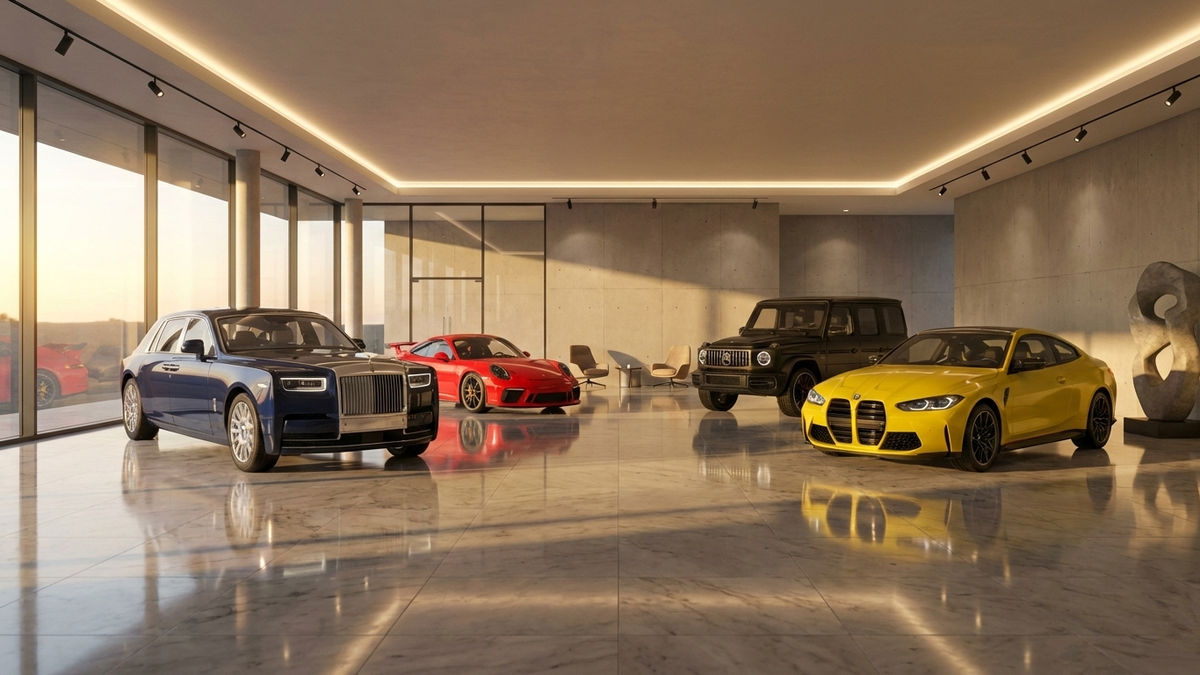
Only the bespoke and high performance models such as the Mercedes-AMG range, Audi RS and BMW M models will see a substantial benefit. For example: BMW M3, Mercedes-AMG G 63, Audi RS 5, Porsche 911.
-
Ultra bespoke and sportscar manufacturers such as Porsche, Ferrari and Maserati will be able to price their offerings better.
-
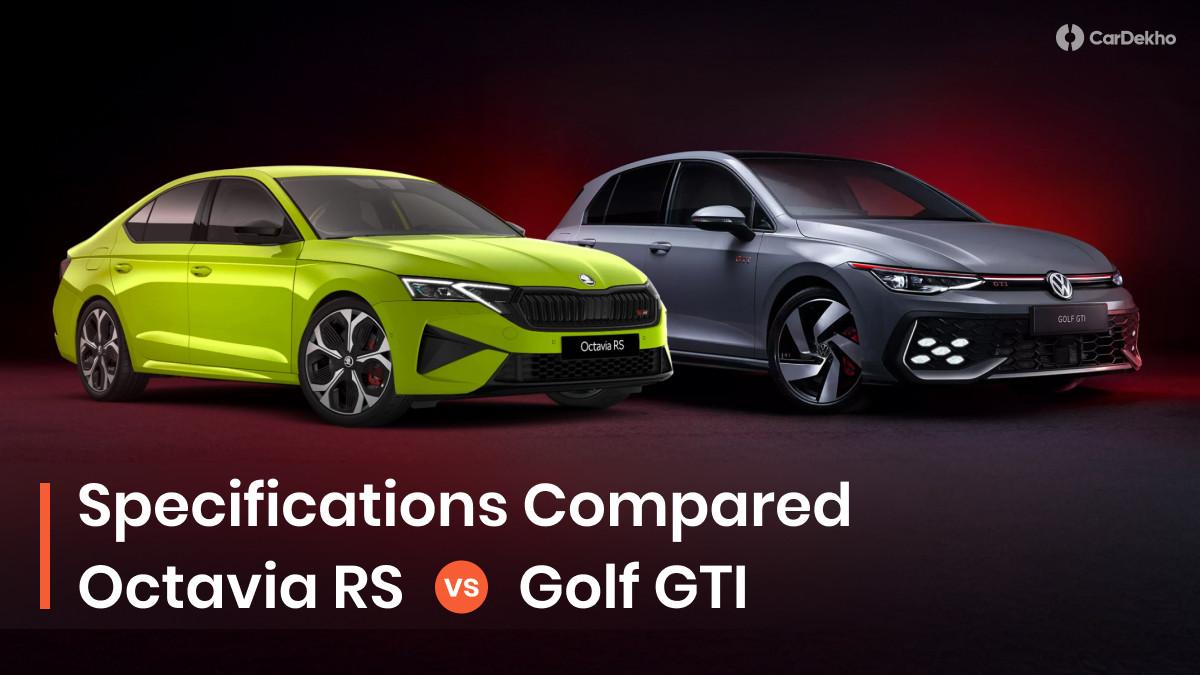
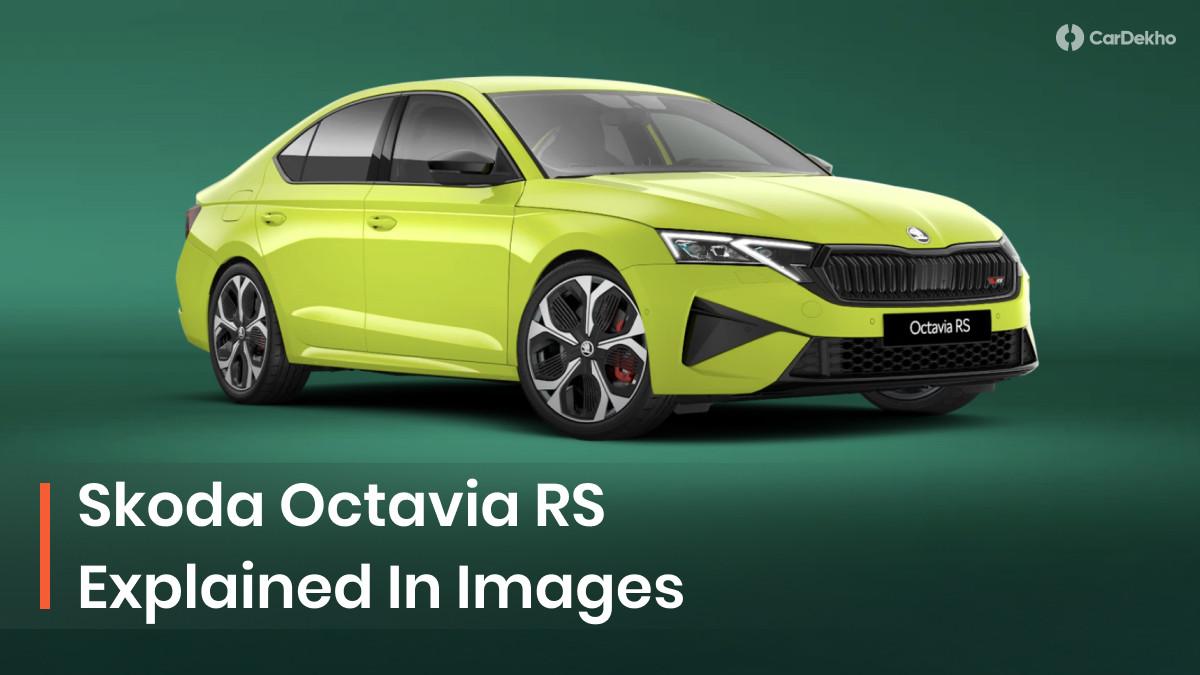
Other European manufacturers such as Skoda and Volkswagen that have limited fully imported models such as the Golf GTI and Octavia RS will be able to price their cars more aggressively.
What Kind Of Savings Are We Looking At?
-
Assuming the tariff drops down to 40% from the existing 110%, you could see prices of fully-imported models drop by a total of 33%. Hypothetically, a luxury vehicle that costs Rs 1 Crore (ex-showroom) currently could see a price tag of ~ Rs 66 lakh.
-
If the tariff drops to 10%, the price could go down to ~ Rs 51 lakh.
-
We say hypothetically since there are a lot of factors at play. Manufacturers might choose to pad margins, currency might depreciate, a counter ‘cess’ might be applied that is likely to absorb/negate the full benefit.
-
Do note that manufacturers also have to maintain certain price points for certain vehicles. Do not expect a large luxury sedan to be suddenly available at the price of an entry-level offering.
What’s in it for you?
-
You will get to experience better cars, better technology at better price points.
-
While the big Euro brands are likely to make the most of this with their ultra-luxury and high-performance portfolio, we expect the mass Euro-car brands such as Volkswagen, Skoda and Renault to also benefit.
-
Models that would’ve been deemed ‘too expensive’ as full imports now suddenly become a viable option.
-
Another unique case is where the models were forced to be a full import since the home plant does not have a CKD facility. For example: Skoda was considering the Superb as a full import, since the plant that manufactures it can only produce the fully assembled car and not knocked-down ‘kits’ that can be assembled in India later. With a lower tariff, Skoda can price it more aggressively.
| Quick Note:
|
- Another highlight is the reduction in tariffs on parts and components. The agreement states intent to eliminate tariffs within 5-10 years. This means imported parts, components and spares will also get cheaper eventually.
-
This will allow Indian manufacturers to tap into European supplier networks and get better quality components for their vehicles that are manufactured in India.
The Wrap Up
Do not expect a Mercedes-Benz at Rs 25 lakh, or a Land Rover at Rs 50 lakh starting tomorrow. That is simply not going to happen.
Expect manufacturers to get a little more creative and aggressive with their offerings. For example, the Volkswagen group could hypothetically look at bringing diesels back into the fold, BMW could experiment with different body styles or powertrains and so on. Popular imports among enthusiasts, such as the Golf GTI or the Octavia RS could simply become more accessible.
It also opens up the feasibility of eventual local assembly for popular imported cars, if there’s market acceptance. Net-net, it allows manufacturers to test waters with new products minus the huge costs. Currently, the agreement states a quota of 250,000 vehicles annually and a gradual reduction in tariffs. This ensures that domestic players too have the opportunity and time to up their game and aren’t shocked by sudden influx of imported vehicles.
For now, we wait and watch as to how the agreement becomes a reality.
26 out of 26 found this helpful