

Maruti Suzuki Unveiled Wagon R Flex Fuel: How Does It Work? Why Is It Important? Technology Explained
The Wagon R Flex Fuel marks a step towards India's goal of net carbon zero by 2070


- Write a comment
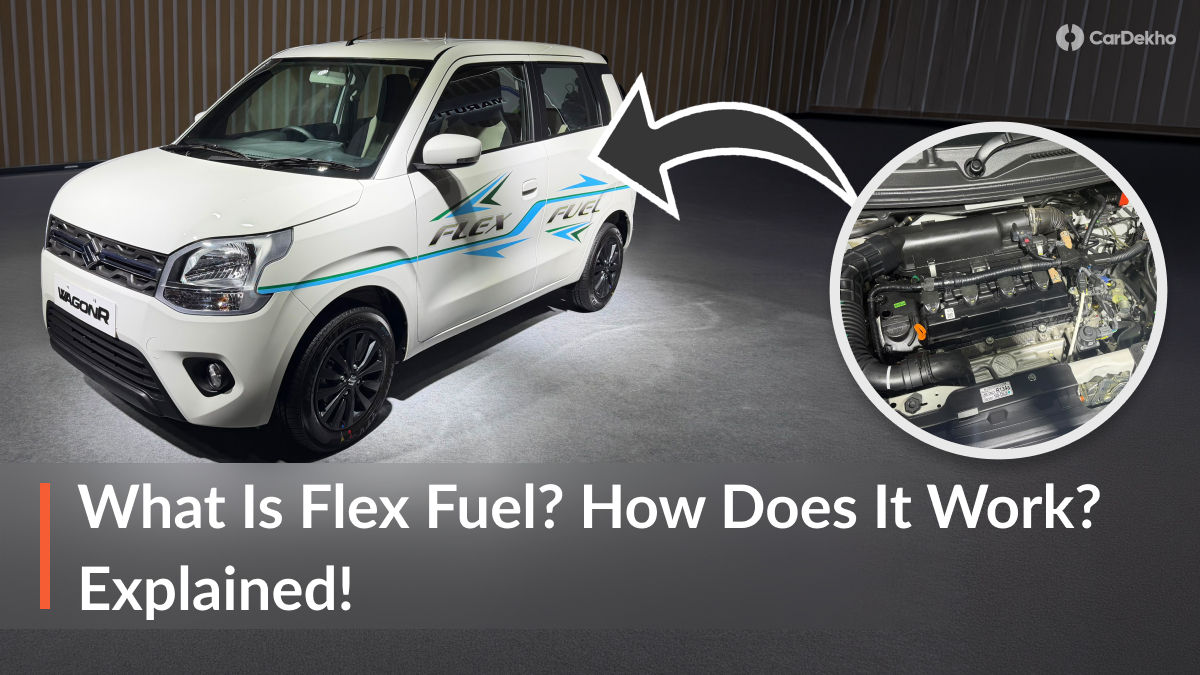
Maruti Suzuki India has unveiled a new Flex Fuel version of the Wagon R, marking a huge step towards achieving India’s goal of net carbon neutrality by 2070. For more detailed information about launch details, here's our story. Since many are keen to know more about how this fuel works, what changes are made to the engine, we will take a look at all of those in detail:
What Is Flex Fuel?
Flex fuel is an alternative fuel made by blending regular petrol with renewable biofuels like ethanol or methanol. These vehicles that have these systems are called Flex-Fuel Vehicles (FFV). These engines are capable of running on 100 percent Petrol, 100 percent Ethanol, or a mixture of both in the same tank. This blend of Flex Fuel can range from E20 to E100, depending on the vehicle it's designed for.

How Does It Work?
Flex fuel engines require hardware-level upgrades to handle the corrosive nature and higher flow requirements of ethanol compared to petrol. The primary changes include corrosion-resistant fuel systems, higher-capacity fuel pumps and injectors, an ethanol sensor, and hardened engine internals.
These flex-fuel vehicles have modified engine components and a fuel system to accommodate different levels of fuel blends. Let's take a look at what needs to be replaced or modified for these fuels to work.
-
Automatic adjustment: Flex fuel vehicles feature specialised hardware to accommodate these changes to blends. The fuel lines and injectors have to be modified, and an ethanol sensor is required.
-
Fuel Injectors and Fuel Pumps: Flex fuel vehicles need to have larger fuel injectors and upgraded fuel pumps, as the engine will burn more fuel to make the same amount of power.
-
Ethanol Sensor: It detects the exact percentage of ethanol from 10 per cent to 85 per cent in the fuel tank, which sends the data to the ECU for adjusting the air-fuel ratio accordingly.
-
Engine Control Unit (ECU): This device helps in detecting the exact ratio of petrol to ethanol and then adjusting the fuel injection automatically, and spark timing for optimal combustion.
-
Heated Fuel Lines: Built directly into fuel rails to ensure optimal temperature and ensure smooth cold starts, as ethanol can struggle to burn in lower temperatures.
-
Hardened Valve Seats & Rings: Ethanol burns differently and can be harder on internal engine components. Cylinder heads, valves, and piston rings are often reinforced or use specialised hardened materials to withstand these demands and prevent premature wear.
Why Is It Important?
Flex-fuel vehicles are going to help reduce our dependence on imports of crude oil and petroleum products. It will also mark India’s entry into the mass market space for flex fuel vehicles. It can help reduce the tailpipe emissions by 70-75 per cent.
In the bigger picture of things, ethanol blending will allow the government to lower the fuel prices as well, since the percentage of actual fuel (petrol) goes down, making it more accessible to the common people.
Overview: Wagon R Flex Fuel
The Wagon R is one of the most popular hatchbacks in the entry-level segment, and is known to offer a complete package with fuel-efficient powertrains, a roomy interior and all the essential features. Now with the flex fuel option, marking its entry to become the first mass market flex-fuel car in India, capable of running on ethanol fuel blends ranging from E20 to E85.
Visually, there is no difference in the design of the Flex Fuel Wagon R. It comes with Flex fuel badging on the door panels and has a BioFuel badge on the trunk. Interior also continues to be the same as the petrol variant, with no changes made to the features list. All the changes are under the hood that are required to make it E85 compliant. For more details about what the Wagon R Flex Fuel looks like, here’s our detailed story explained in images.
It gets features like a 4-speaker sound system, 7-inch touchscreen infotainment system with wired Android Auto and Apple CarPlay, semi-digital instrument cluster, all four power windows, keyless entry, electrically adjustable ORVMs and steering-mounted controls. For safety, it gets 6 airbags, ABS with EBD, rear parking sensors and hill hold assist.
The Maruti Wagon R will be powered by a modified version of the 1.2-litre petrol engine, which is expected to have similar performance as the regular petrol-powered counterpart. The specifications of the flex fuel engine are not yet out, so here are the technical details of the regular Wagon R for reference:
| Engine |
1.2 litre Petrol |
| Power |
90 PS |
| Torque |
113 Nm |
| Transmission |
5-speed manual/ 5-speed AMT |
| Mileage |
23.5 kmpl |
CarDekho Says…
The Wagon R Flex Fuel is a glimpse into what India's alternative-fuel future could look like. While electric vehicles continue to grab headlines, flex-fuel technology offers a practical bridge solution by utilising existing infrastructure and reducing dependence on imported crude oil.
The biggest challenge, however, will be the widespread availability of higher ethanol blends such as E85 across the country. If the supporting fuel ecosystem develops alongside vehicles like the Wagon R Flex Fuel, this technology could play a significant role in helping India move towards its carbon neutrality goals while keeping mobility affordable for the masses.
4 out of 4 found this helpful