2026 Hyundai Bayon Safety Features Revealed, Enough For A 5-star Safety Rating?
The Bayon will debut the advanced Level 2+ ADAS suite for Hyundai India


- Write a comment
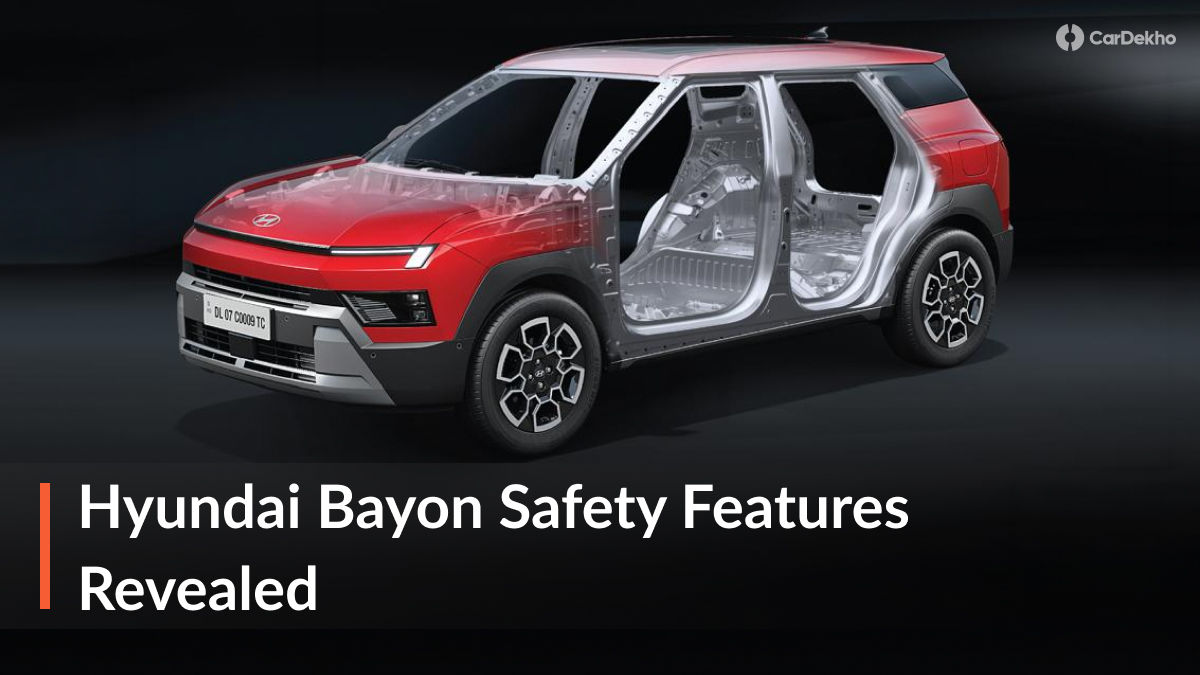
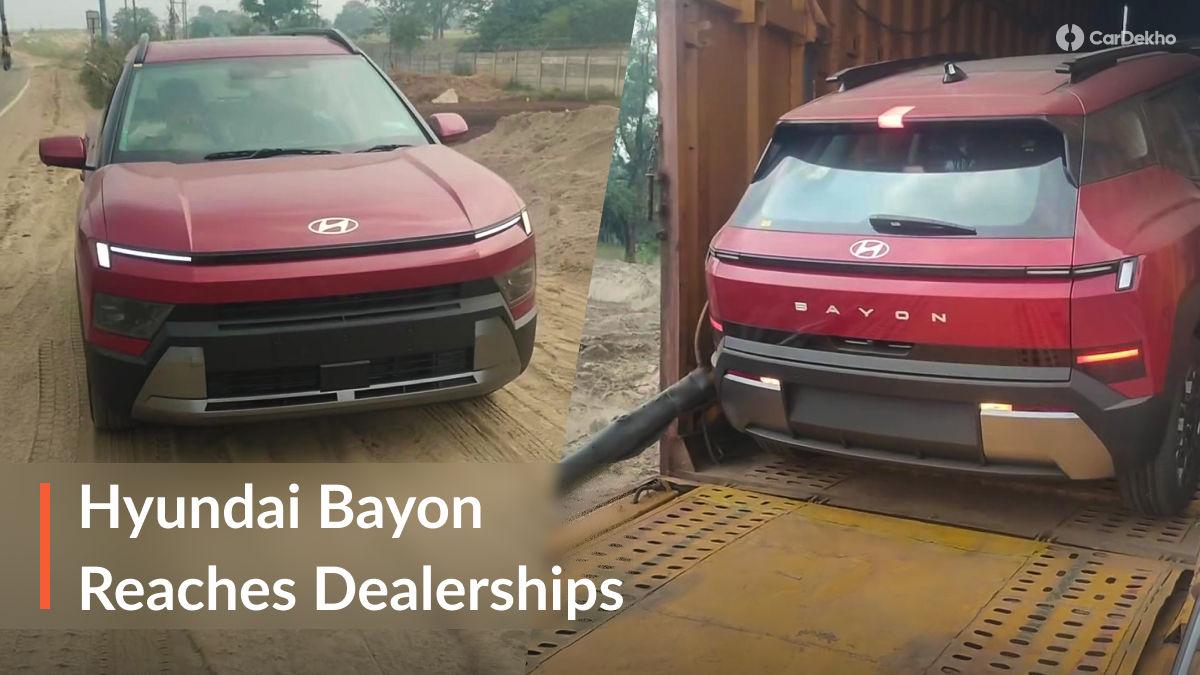
Ahead of its launch next week, Hyundai has revealed details about the safety suite onboard its upcoming Bayon SUV. Positioned between the Creta and Venue, it will be the brand’s second product in the compact SUV segment and will be powered by a 1.5-litre petrol engine. Here’s a quick look at what Hyundai has revealed today, and what else you can expect from the Bayon:
Hyundai Bayon: Safety Features Revealed
Hyundai’s latest announcement reveals a comprehensive safety suite for the Bayon, which includes the following features as standard offerings across all variants:
-
Rollover Mitigation
-
Tyre pressure monitoring system (TPMS)
-
6 airbags
-
Hill hold assist (HHC)
-
Emergency stop signal (ESS)
-
Follow-me-home headlamps
-
Electronic stability control (ESC)
-
Rear parking sensors
-
3-point seatbelts with reminders for all occupants
-
ISOFIX child seat anchorages
By opting for higher variants, you will also get more advanced safety equipment such as:
-
Level 2+ ADAS (Advanced Driver Assistance Systems) with 3 radars and 23 functions
-
360-degree camera with blind view monitor
-
Electronic parking brake with auto-hold (EPB)
-
Front and side parking sensors
-
All-wheel disc brakes
-
High beam assist (HBA)
| BNCAP Safety Rating: According to Hyundai, the Bayon has been engineered for a 5-star BNCAP safety rating, with extensive use of Ultra High Strength Steel (UHSS) for superior structural rigidity. |
About The Hyundai Bayon
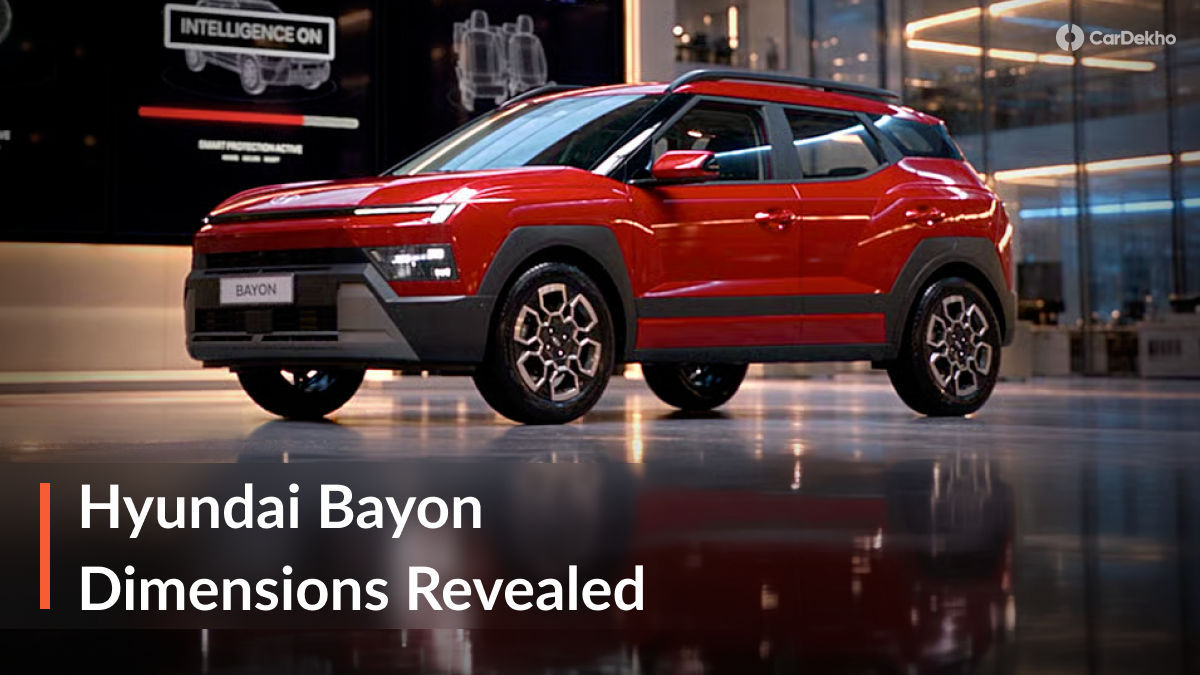
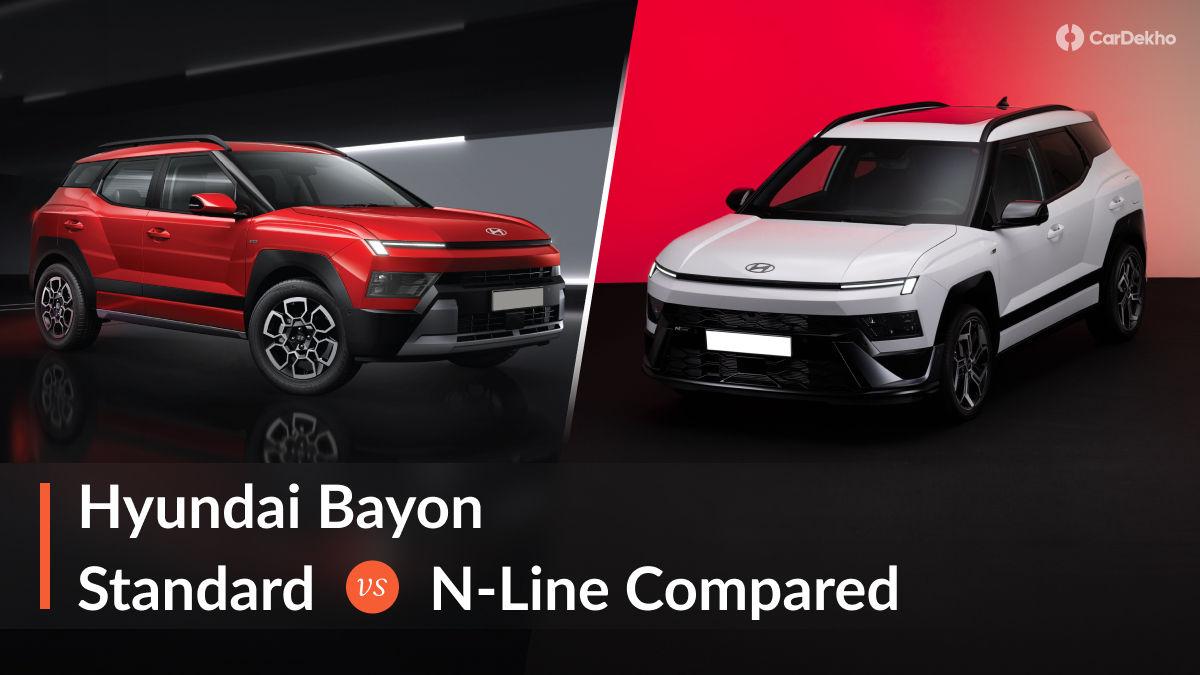
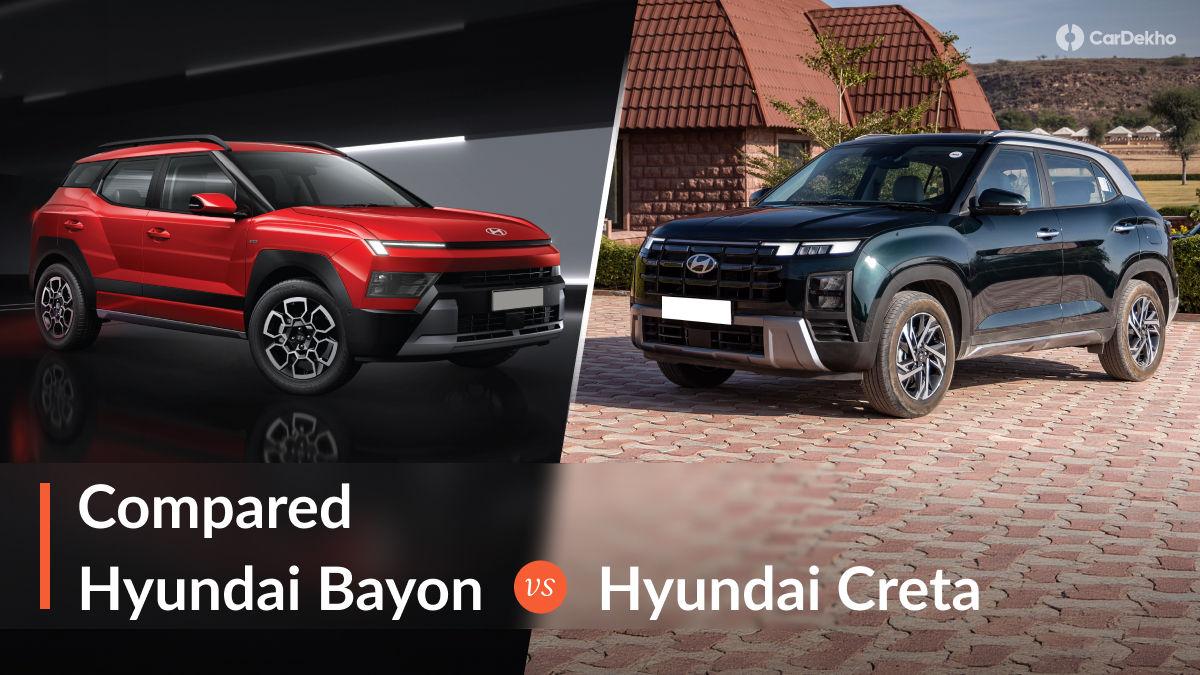
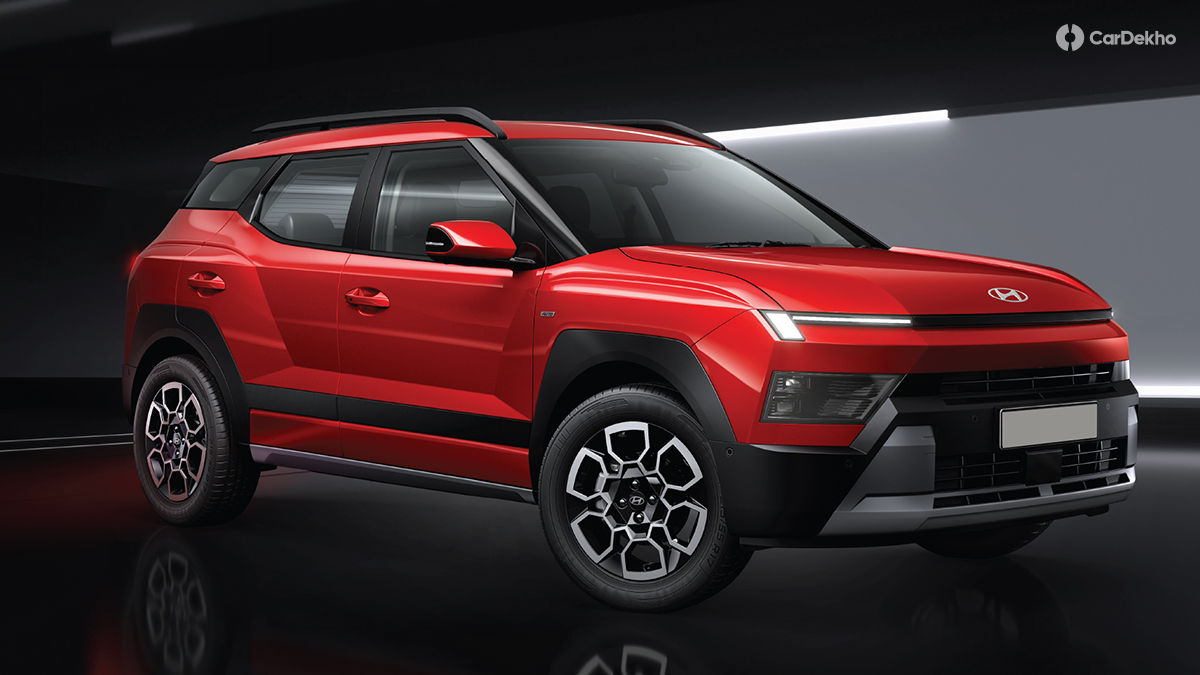
Given the dominance of the Hyundai Creta in the compact SUV segment, and its larger next-generation model expected to launch early next year, the Bayon will be Hyundai’s second offering in this segment, but with a quirkier design. Its design was already revealed a few days back, and it will have a crossover-ish stance and a design language similar to other global Hyundai models. Check it out in detail here.
Inside, it will get a curved dual-screen setup, the new four-spoke ‘morse-code’ logo steering wheel from the Venue and Verna and a dual-tone black and white cabin theme. The dashboard will also have low-set central AC vents with climate controls sandwiched in between for a unique appearance.
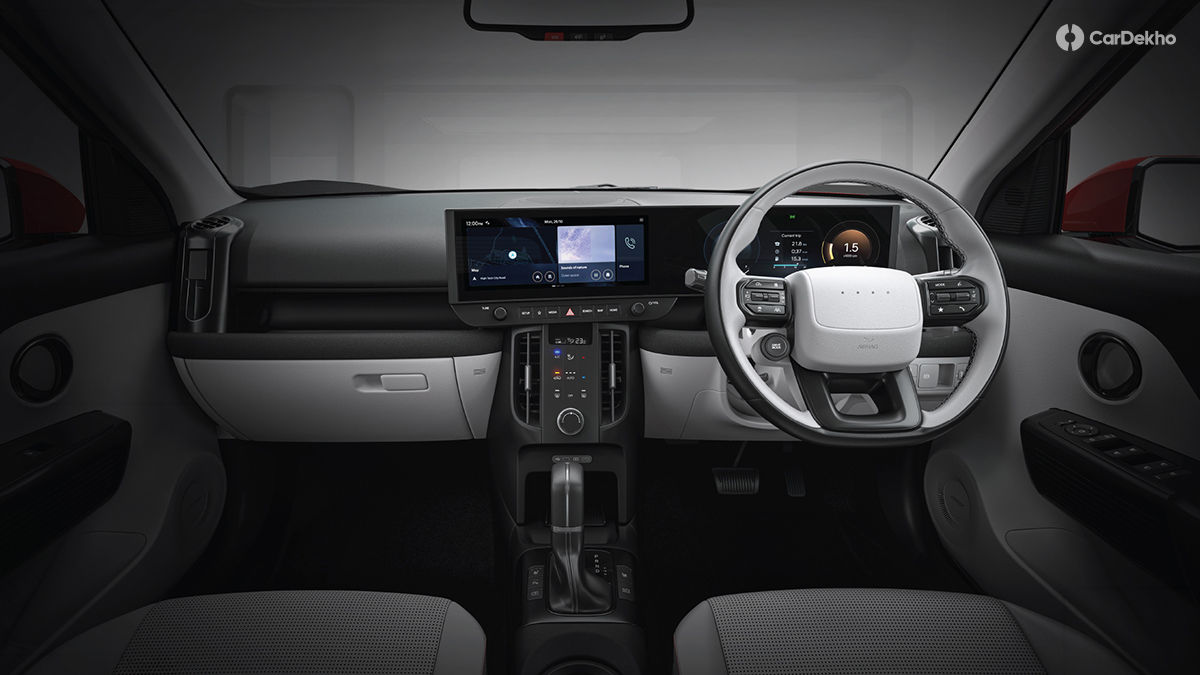
Features will be a strong point of the SUV, with equipment such as a panoramic sunroof, automatic climate control, 12.3-inch digital instrument cluster, 12.3-inch touchscreen infotainment system, wireless Android Auto and Apple CarPlay, Bose premium sound system, wireless phone charger, power-adjustable driver seat, ventilated front seats and connected car technology. To know more about its feature list, read this story.
Powertrain
The Bayon will be powered by the familiar 1.5-litre naturally aspirated petrol engine that already does duty on the Creta and Verna. It will be paired with a choice of manual and automatic gearbox options. Here are its detailed specifications:
| Engine |
1.5-litre naturally aspirated petrol |
| Power |
115 PS |
| Torque |
144 Nm |
| Transmission |
6-speed MT/CVT |
| Drivetrain |
FWD |
MT- Manual Transmission, CVT- Continuously Variable Transmission (automatic), FWD- Front-wheel drive
Launch Date, Expected Price & Rivals
Hyundai’s Bayon will be launched on October 26. It is expected to be priced in the range of Rs 10 lakh to Rs 17.5 lakh (ex-showroom). Bookings have already commenced, and you can check out the full process in detail here.
The Bayon will rival cars like the Hyundai Creta, Kia Seltos, Renault Duster, Skoda Kushaq, Volkswagen Taigun, Maruti Victoris and Grand Vitara, Toyota Urban Cruiser Hyryder, Nissan Tekton, Tata Sierra, Citroen Aircross X, Honda Elevate and MG Astor.
CarDekho Says…
Safety has been a key focus for Hyundai in recent times, and the Venue recently proved its credentials with an impressive 5-star rating. Now, with the Bayon, Hyundai aims to continue this focus with a plethora of class-leading safety equipment, which will do a great deal to attract and reassure family-oriented and safety-conscious buyers. What remains to be seen now is its pricing next week and if it can be competitive enough to replicate the Creta’s in a segment full of established rivals.
What do you think about the safety features of the new Bayon? Let us know in the comments below!