
Big News For Car Buyers! CAFE 3 Norms Force Cars To Be More Fuel Efficient From 2027
New emission rules can bring more hybrids and EVs


- Write a comment
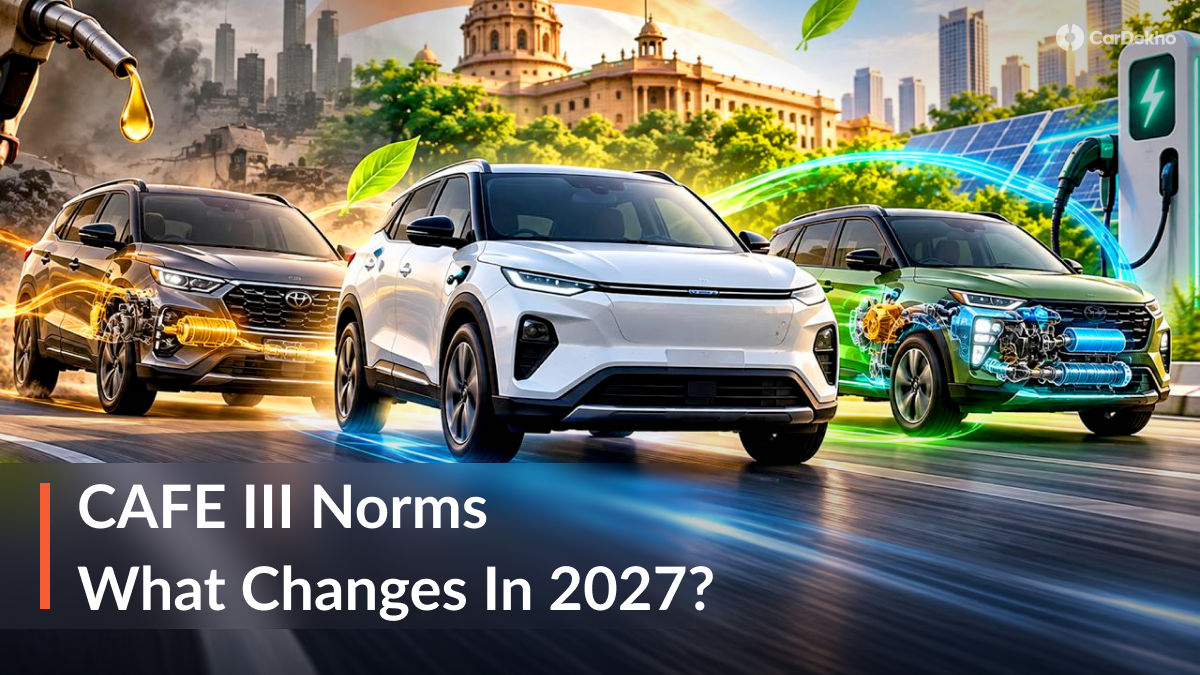
A big move is about to hit the car industry in 2027. With the introduction of CAFE 3 norms, car manufacturers will be forced to make more efficient, less polluting cars while adding more EVs and hybrids in their lineup. The Corporate Average Fuel Economy (CAFE) norms will come into effect from April 1, 2027 and will apply until March 31, 2032. But what exactly are CAFE norms, and what do they mean for someone planning to buy a new car? Let's understand!
What Are CAFE Norms?
CAFE norms are essentially fuel-efficiency rules for carmakers. In these norms, the government will calculate the average fuel consumption of all eligible cars sold by a manufacturer in a financial year. The calculation will take the average weight of its vehicles and compare them against the overall fuel efficiency and Carbon Dioxide emissions. Hence, carmakers will be required to make lighter, cleaner and more fuel efficient cars.

India's current CAFE 2 norms came into effect in April 2022. They are based on an average vehicle weight of 1082 kg and prescribe fuel consumption of less than 4.78 litres/100 km (20.92 kmpl), equivalent to less than around 113 g of Carbon Dioxide per km. So, if a carmaker sells fuel-efficient hatchbacks, hybrids and EVs alongside larger SUVs, all these vehicles contribute to its overall fleet average. It does not mean every car sold by the manufacturer needs to deliver 4.78 litres/100 km (20.92 kmpl).
What's Changing With CAFE 3?
The new CAFE-III norms will make the fleet-average targets stricter between 2027 and 2032 in phases. The exact target for each manufacturer will depend on the average weight of its fleet. In simple terms, manufacturers will have to make their overall portfolio more fuel-efficient over the next five years. This could be achieved by improving existing petrol and diesel engines, introducing more hybrids and EVs, or using tech that reduces overall fuel consumption.
EVs And Hybrids Get An Advantage
The new norms give manufacturers additional compliance benefits for electric, plug-in hybrid, strong hybrid and flex-fuel vehicles.
| Powertrain |
Super-credit |
| Born EV (BEV) / Range-extender EV (REV) |
3x |
| Plug-in Hybrid Vehicle (PHEV) / Flex-fuel Hybrid |
2.5x |
| Strong Hybrid |
1.6x |
| Flex-fuel Vehicle (FFV) |
1.1x |
For example, 10,000 EVs can have an effective volume of 30,000 vehicles for the relevant compliance calculation. This doesn't mean an EV is literally counted as three cars. It is simply a mechanism that gives manufacturers greater CAFE benefit from selling electric vehicles.
Will This Mean More Hybrids And EVs?
It could. Hopefully.
Since EVs and hybrids offer manufacturers additional compliance benefits, they have an incentive to increase their share of the portfolio. However, CAFE-III doesn't force manufacturers to sell a specific number of EVs or hybrids.
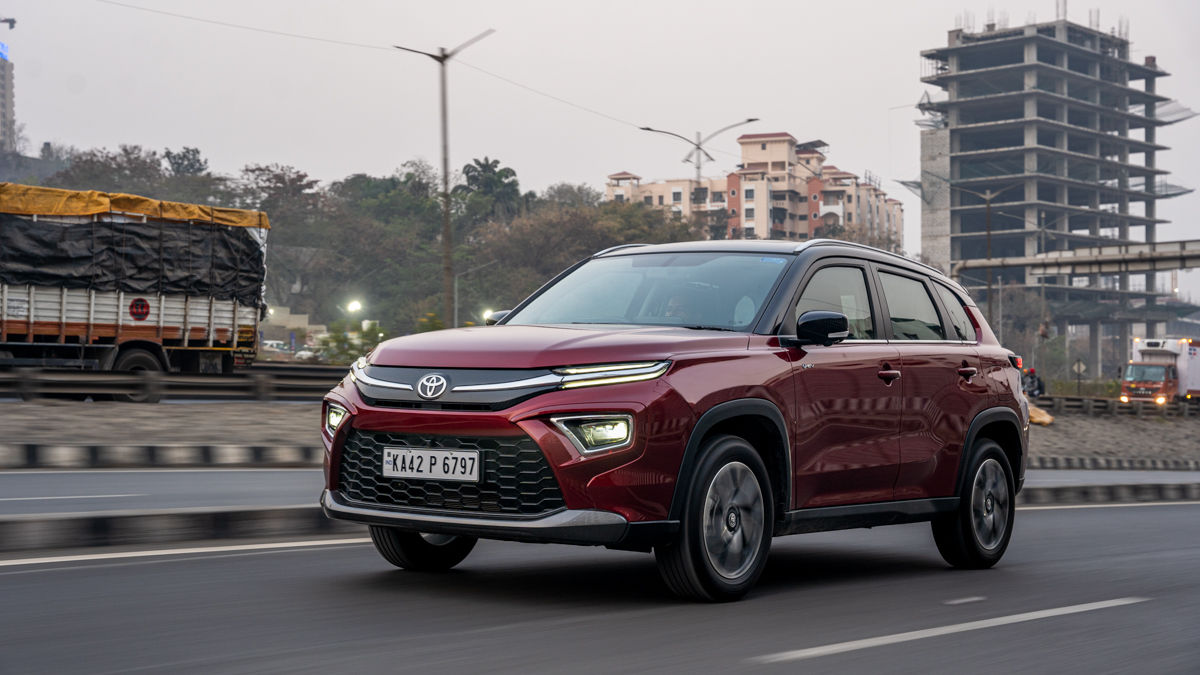
Carmakers can also improve their fleet average through more efficient petrol and diesel vehicles and technologies such as start-stop systems, regenerative braking, efficient gearboxes, and assisted tech like 12V/48V motor-generators. The notification lists 12 eligible technologies and allows a benefit equivalent to up to 9 g/km of Carbon Dioxide.
Here’s the list of such technologies:
-
Start-stop systems
-
Tyre Pressure Monitoring Systems
-
Regenerative braking
-
Six-speed or higher transmissions
-
Efficient 12V/48V alternators
-
12V/48V motor-generators
-
Exterior LED lighting
-
Advanced glazing
-
Electric water pumps
-
High-efficiency air-conditioning
-
Solar-reflective paint
-
PWM-controlled radiator fans
What Does CAFE 3 Mean For You?
For most car buyers, there will be no immediate change. You won't suddenly have to buy an EV, and your petrol or diesel car won't become non-compliant because of the new rules.
Instead, the impact will likely show up in how manufacturers plan their future product portfolio, new launches, and sales over the next few years.
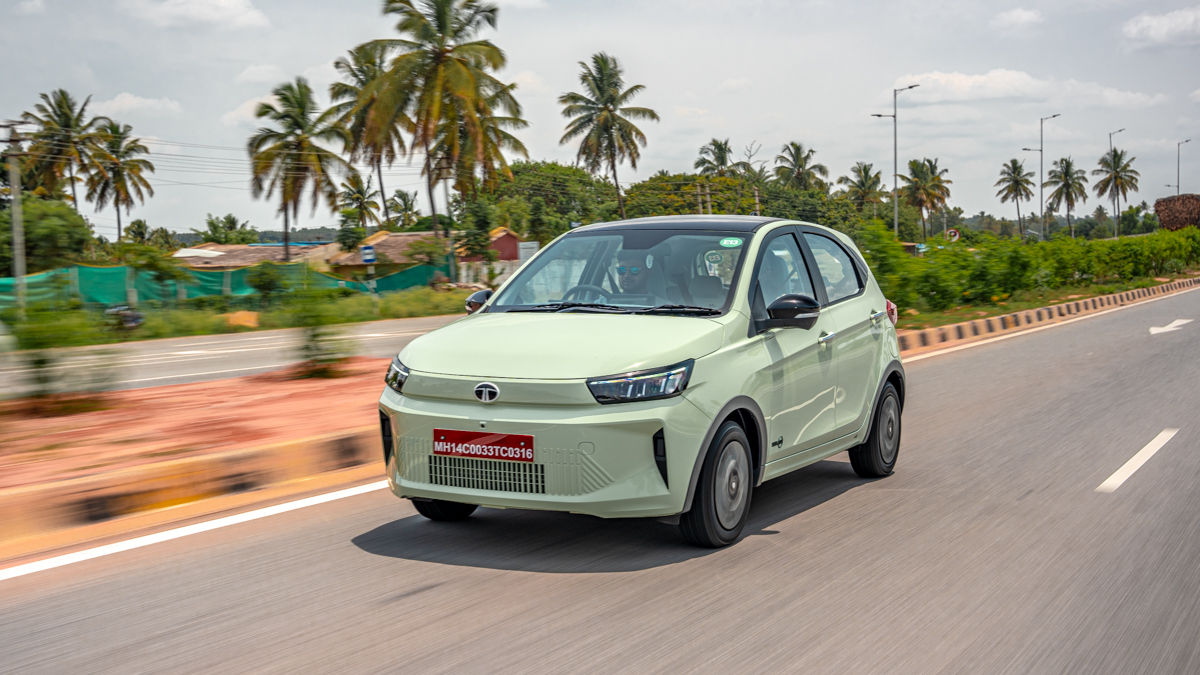
You could see:
-
More hybrid and EV options
-
More fuel-efficient petrol and diesel engines
-
Greater use of start-stop and other efficiency technologies
-
More emphasis on reducing vehicle emissions
-
Changes in manufacturers' product strategies
The new rules also require manufacturers to report Carbon Dioxide performance under both MIDC and WLTP, although the government is yet to separately notify the MIDC-to-WLTP conversion factor for CAFE targets.
CarDekho Says…
CAFE-III is less about changing the car you drive today and more about changing the cars manufacturers will sell tomorrow. The biggest takeaway for buyers is that EVs and hybrids are likely to become increasingly important to carmakers, while petrol and diesel vehicles will also need to become more efficient. However, don't confuse CAFE targets with the fuel economy figure of your own car. CAFE is a manufacturer-level portfolio average, not a minimum mileage requirement for every model.
With the new norms kicking in from April 2027 and getting progressively stricter until 2032, the next few years could bring more EVs and efficiency-focused technology across the Indian car market. Stay tuned to CarDekho, as we decode more such complex regulations for you!

1 out of 1 found this helpful