2026 Honda Elevate Vs Hyundai Bayon: Big And Bold Vs Sleek And Modern
Big and bold Japanese compared with a sleek and modern Korean SUV. Can features place one above the other?


- Write a comment
| We are helping 50 of our lucky readers with a personalised car buying journey. You will be able to directly speak to an automotive expert and get all your doubts answered. Fill this form and if you are one of those lucky customers, we’ll get in touch with you soon. |
Have you been shopping for an SUV recently? Well, this year has been one of the exciting ones for the SUV market. A few of the recent actions have been the launch of the Honda Elevate facelift at Rs 11.80 lakh and the introduction of an all-new SUV from Hyundai called the Bayon at Rs 10 lakh (ex-showroom) onwards.
These compete against each other in the compact SUV segment but in different flavours. One is tall, has road presence and carries the Honda badge, which is synonymous with robust reliability. The other carries a Hyundai badge, which is known for features, build quality and smoothness.
The Bayon is also lower, more compact and looks sportier. But how do they compare on paper? Which has more features? Let’s have a detailed look:
Price
| Model |
Honda Elevate |
Hyundai Bayon |
| Price |
Rs 11.80 lakh to Rs 18.40 lakh |
Rs 10 lakh to Rs 18 lakh |
(all prices ex-showroom)
-
The Bayon is priced much lower, with the starting price being Rs 10 lakh, which is Rs 1.80 lakh less than the Elevate.
-
Meanwhile, the prices of the top variants of the cars are not much different, with a little over Rs 40,000 separating the two. This can be because of the additional features which you get on the Bayon which we will explore later in the story.
-
To explore the detailed pricing of the Elevate, check out our report here.
Dimensions
| Dimension |
Honda Elevate |
Hyundai Bayon |
Difference |
| Length |
4312 mm |
4245 mm |
+ 67 mm |
| Width |
1790 mm |
1810 mm |
(- 20 mm) |
| Height |
1650 mm |
1605 mm* |
+ 45 mm |
| Wheelbase |
2650 mm |
2600 mm |
+ 50 mm |
*With roof rails (fitted on HX10)
-
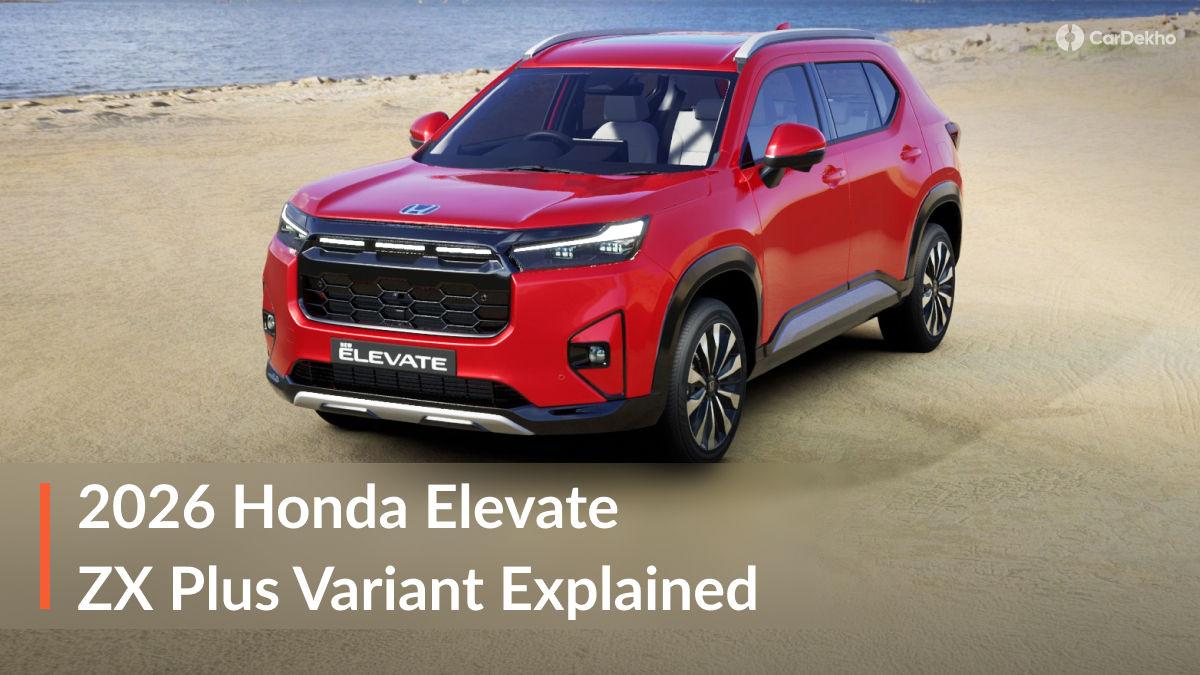
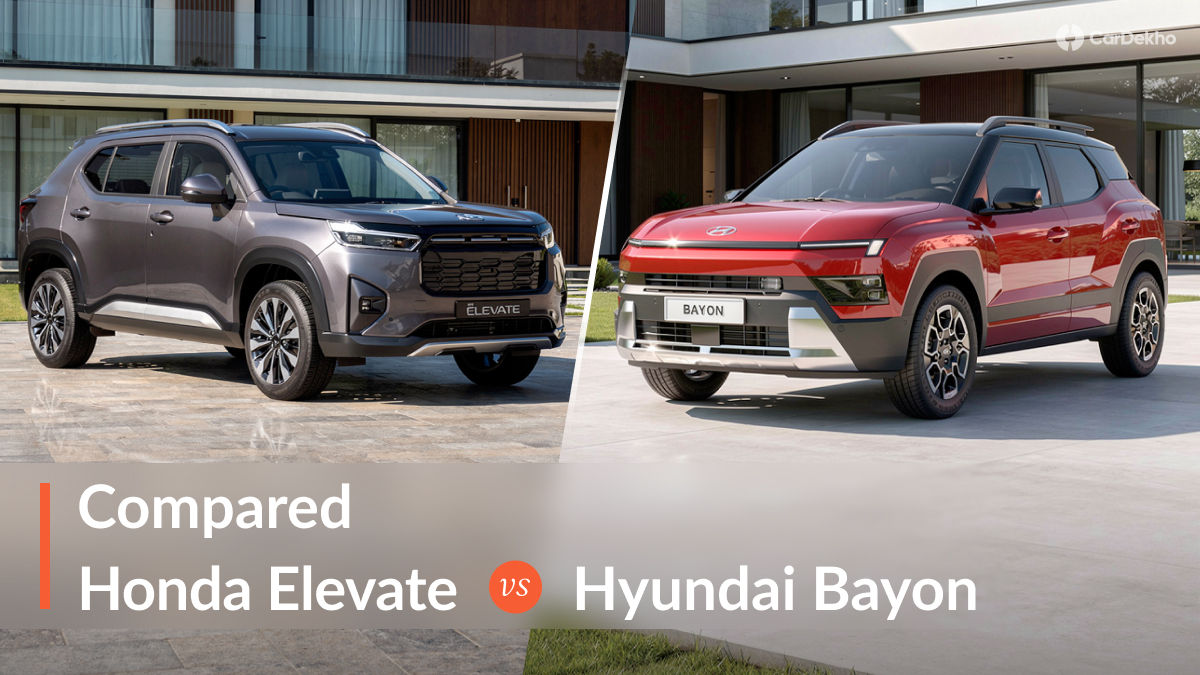
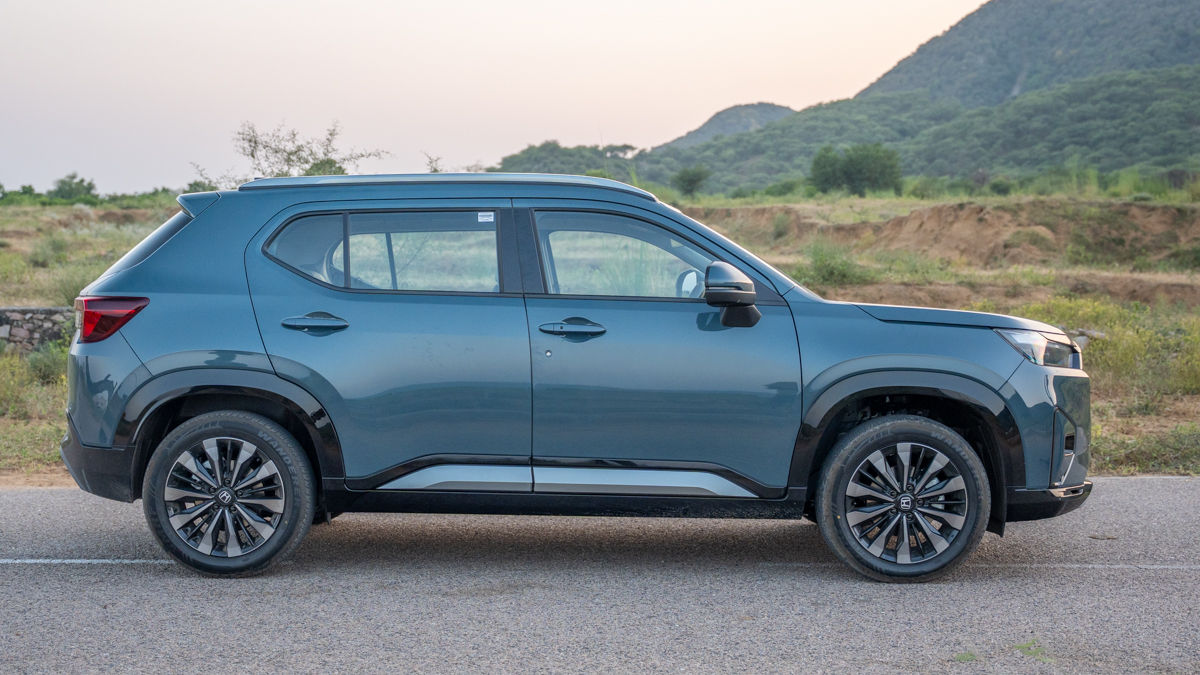
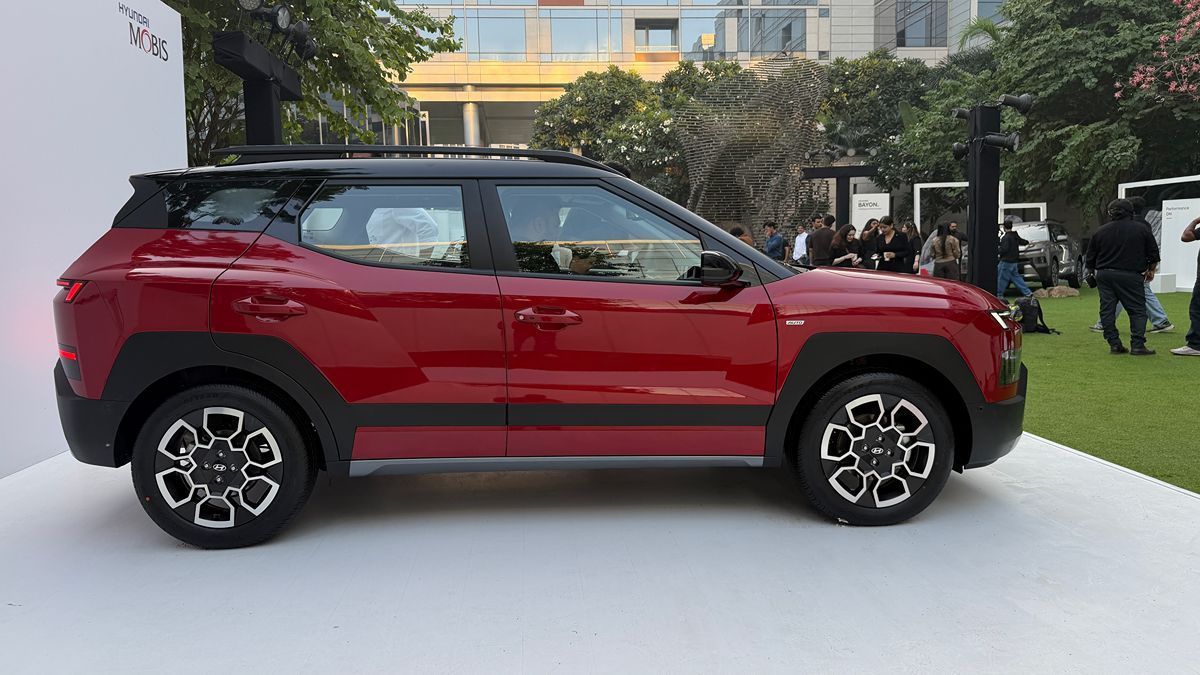
As we can see in the pictures, the Bayon visibly looks like a smaller car, which the dimension numbers confirm, and the Elevate is larger in length, height and wheelbase.
-
Meanwhile, the Bayon is wider than the Elevate by 20 mm.
-
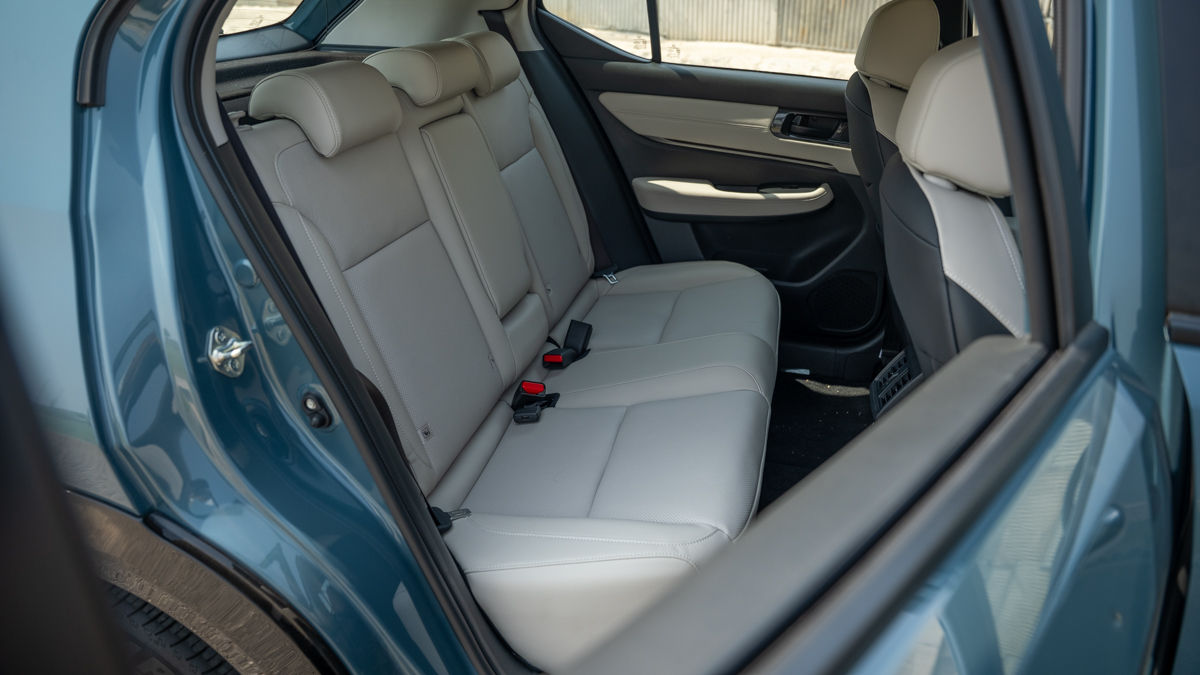
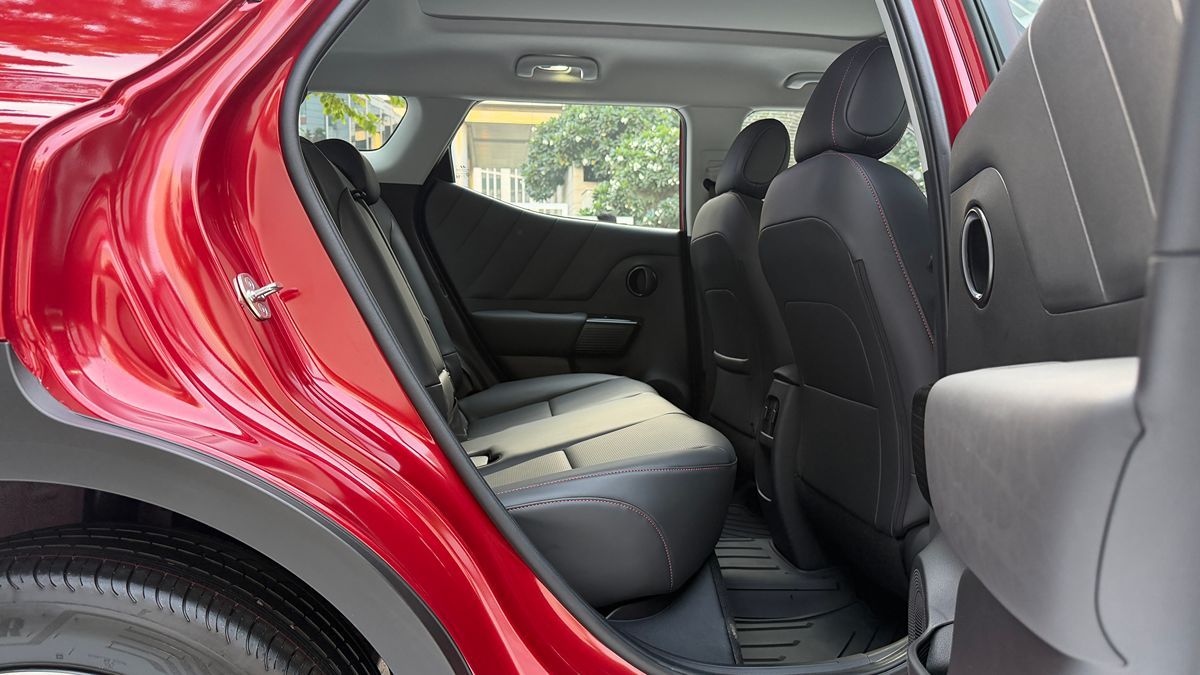
And with the longer wheelbase in the Elevate, this will translate to better legroom for its passengers. The Elevate is also the more spacious-feeling car of the two, with more headroom and bigger windows which help with the sense of space.
-
Meanwhile, the Bayon’s interior space and comfort are on par with the course with adequate legroom and headroom for the average adult.
Colour Options
| Honda Elevate |
Hyundai Bayon |
| Platinum White Pearl* |
Atlas White* |
| Lunar Silver Metallic |
Ecotronic Grey |
| Meteoroid Gray Metallic |
Golden Bronze |
| Crystal Black Pearl |
Titanium Black |
| Obsidian Blue Pearl |
Classy Blue |
| Radiant Red Metallic* |
Fiery Red* |
| Nordic Forest Pearl* |
Titanium Black Matte |
| - |
Classy Blue Matte |
*Mentioned colours are also available in dual-tone colours with black-painted roofs.
-
Interestingly, both cars get 10 colour options, which include dual-tone in both and matte-finish colours in the Bayon.
-
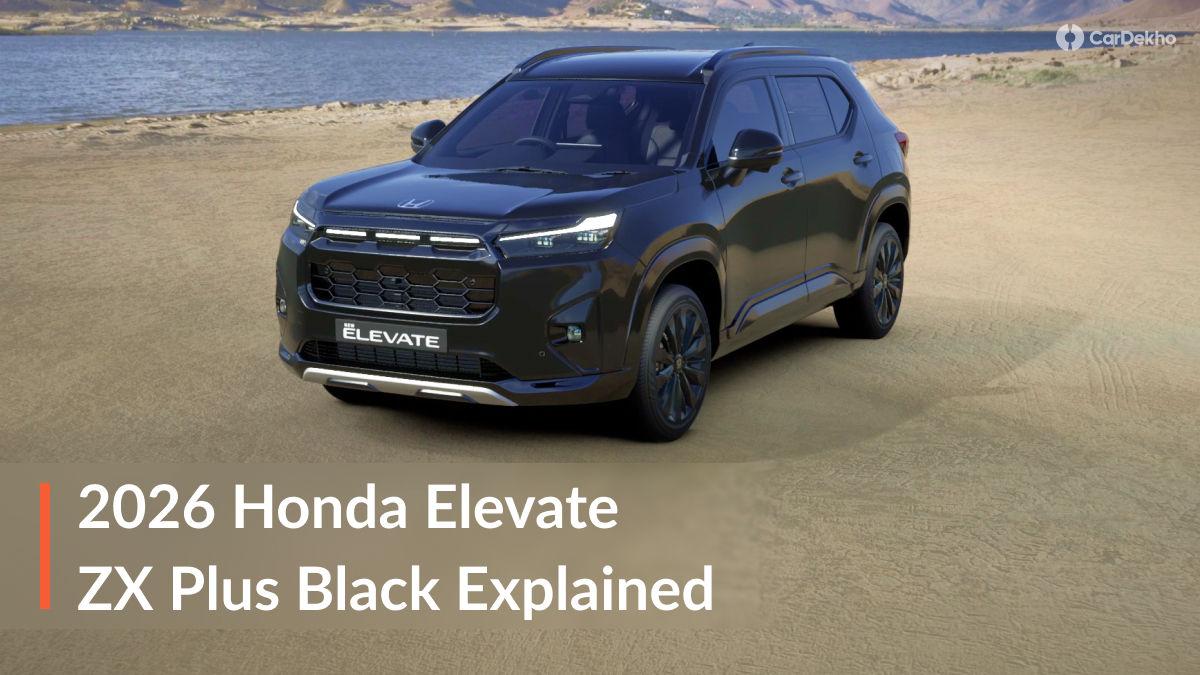
The Elevate’s ZX Plus Black is the only variant that gets an all-black exterior and interior.
-
The Bayon has a wider choice of colour finishes, which include monotone, dual-tone and matte-finished colours.
-
Do note that the Bayon’s dual-tone variants get all-black interior themes, while the monotone colours get black and white interior themes.
Features
| Feature |
Honda Elevate |
Hyundai Bayon |
| LED Projector Headlamps |
✅ |
✅ |
| LED DRLs |
✅(Connected) |
✅ |
| LED Taillamps |
✅(Connected) |
✅ |
| Wheels |
17-inch dual-tone alloy wheels |
17-inch dual-tone alloy wheels |
| Rear Spoiler |
✅ |
✅ |
| Sharkfin Antenna |
✅ |
✅ |
| Sunroof |
✅(Single-pane) |
✅(Panoramic) |
| Power-adjustable Driver Seat |
✅(8-way) |
✅(8-way) |
| Power-adjustable Co-driver Seat |
✅(4-way) |
❌ |
| Ventilated Seats |
✅(Front and Rear) |
✅(Front only) |
| Rear Reclining Seat |
❌ |
✅(2-step) |
| Ambient Lighting |
✅(Orange) |
✅(Blue) |
| Infotainment system |
✅(10.25-inch touchscreen) |
✅(12.3-inch touchscreen) |
| Wireless Apple CarPlay/Android Auto |
✅ |
✅ |
| Instrument Cluster |
Semi-digital (7-inch) |
Fully digital (12.3-inch) |
| Cabin air purifier |
✅(PM 2.5) |
❌ |
| Wireless Phone Charger |
✅ |
✅ |
| Sound system |
8-speaker |
8-speaker Bose |
| Generative AI Voice Assistant |
❌ |
✅ |
| Auto-dimming IRVM |
✅ |
✅ |
| Automatic Climate Control |
✅ |
✅ |
| Rear AC Vents |
✅ |
✅ |
| Keyless entry with push-button start/stop |
✅ |
✅ |
| USB charging ports |
✅(3x Type-C, 1x Type-A)* |
✅(Type-C, front and rear) |
| Paddle Shifters |
✅ |
✅ |
| Multi-drive Modes |
❌ |
✅(CVT only) |
| Connected Car Technology |
✅ |
✅ |
| Airbags |
6 |
6 |
| 360-degree Camera |
✅ |
✅ |
| Parking Sensors |
✅(Front and Rear) |
✅(Front, Rear and Side) |
| ESC (electronic stability control) |
✅ |
✅ |
| Hill hold assist (HHA) |
✅ |
✅ |
| Electric Parking Brake with Auto Hold |
✅(CVT only) |
✅ |
| Rear Disc Brakes |
✅(CVT only) |
✅ |
| TPMS (Tyre Pressure Monitoring System) |
❌ |
✅ |
| Dashcam |
❌ |
✅ |
| Level-2 ADAS (Advanced Driver Assistance Systems) |
✅ |
✅ |
| Adaptive Cruise Control |
✅ |
✅ |
| Blind-spot view monitor |
✅(Passenger side only) |
✅ |
| Rear Wiper with washer |
✅ |
✅ |
-
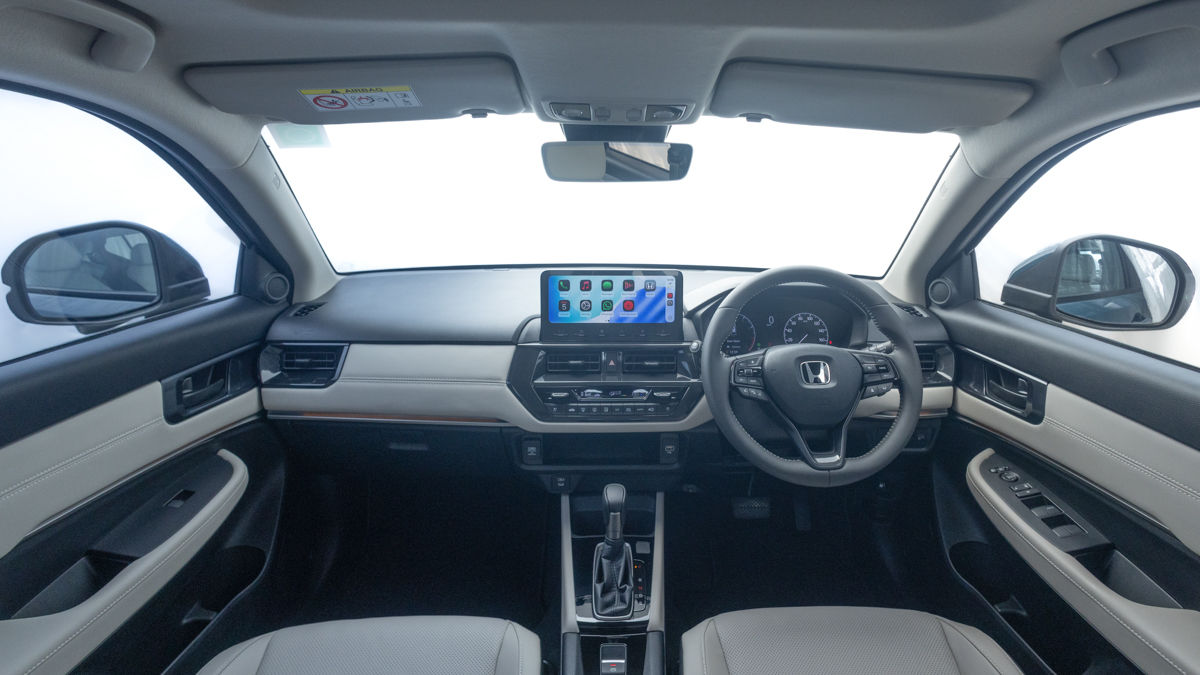
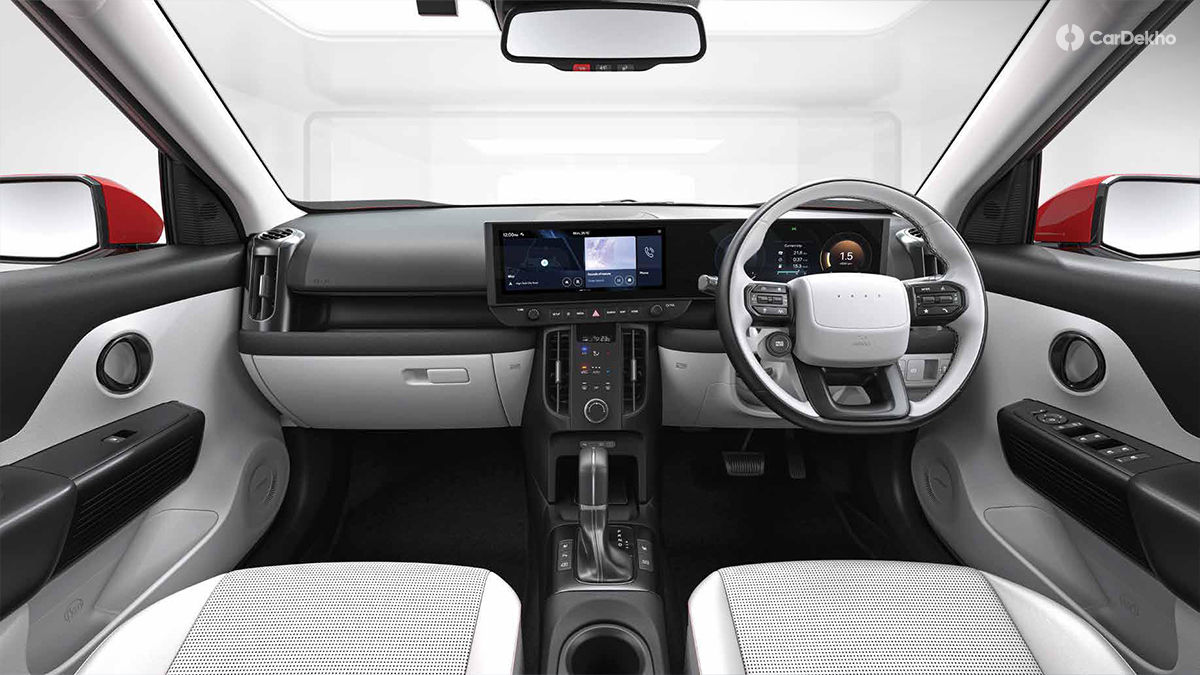
Both SUVs are packed with features, including features like adaptive cruise control, connected car technology, automatic climate control, LED lighting and ventilated front seats.
-
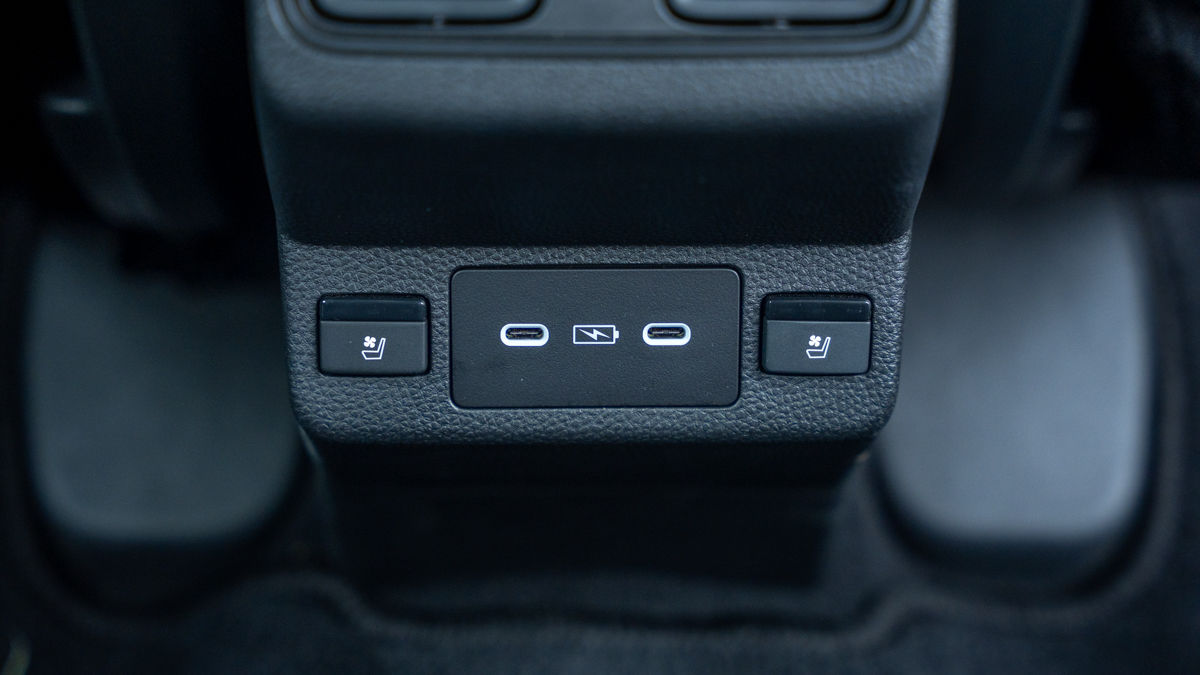
However, the Elevate trumps the Bayon by offering features like rear seat ventilation, a cabin air purifier and a powered passenger seat.
-
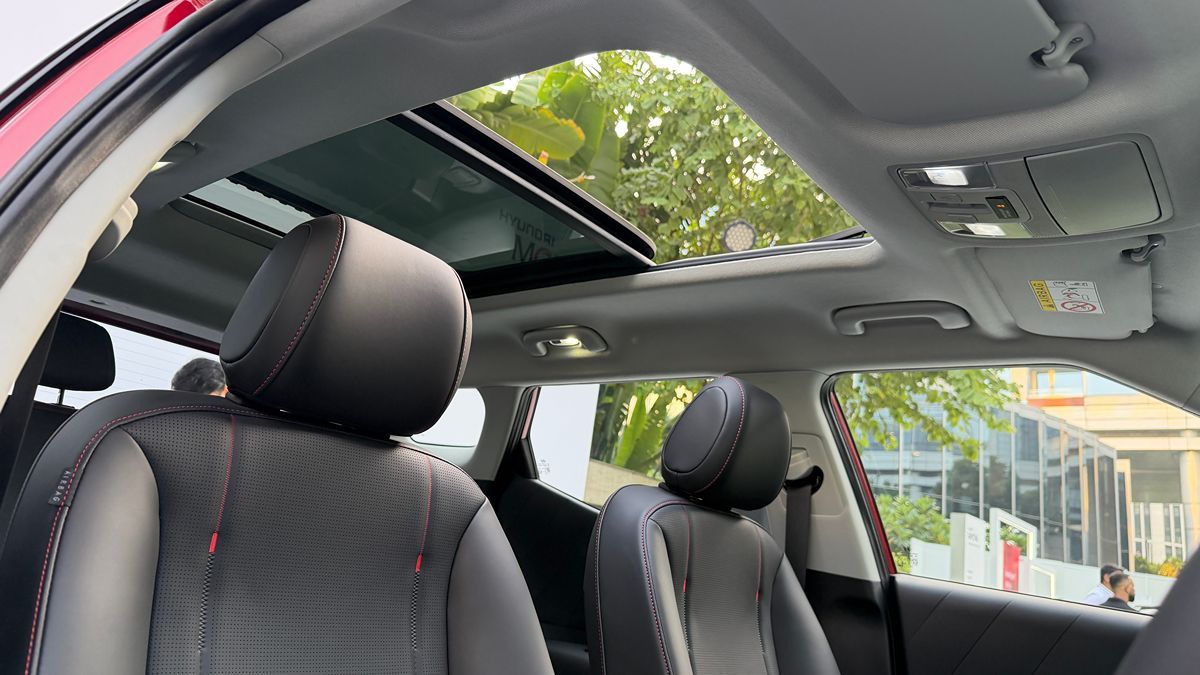
Meanwhile, the Bayon gets an integrated dashcam, a tyre pressure monitoring system, drive modes, a panoramic sunroof, generative AI and reclining rear seats that the Elevate does not get.
-
The interior of the Bayon feels more lavishly equipped thanks to the larger curved screens and the larger panoramic sunroof.
Powertrain
| Model |
Honda Elevate |
Hyundai Bayon |
| Engine |
1.5-litre naturally aspirated petrol |
1.5-litre naturally aspirated petrol |
| Power |
121 PS |
115 PS |
| Torque |
145 Nm |
144 Nm |
| Transmission |
6-speed MT / CVT |
6-speed MT / CVT |
MT- Manual Transmission, CVT- Continuously Variable Transmission (automatic)
-
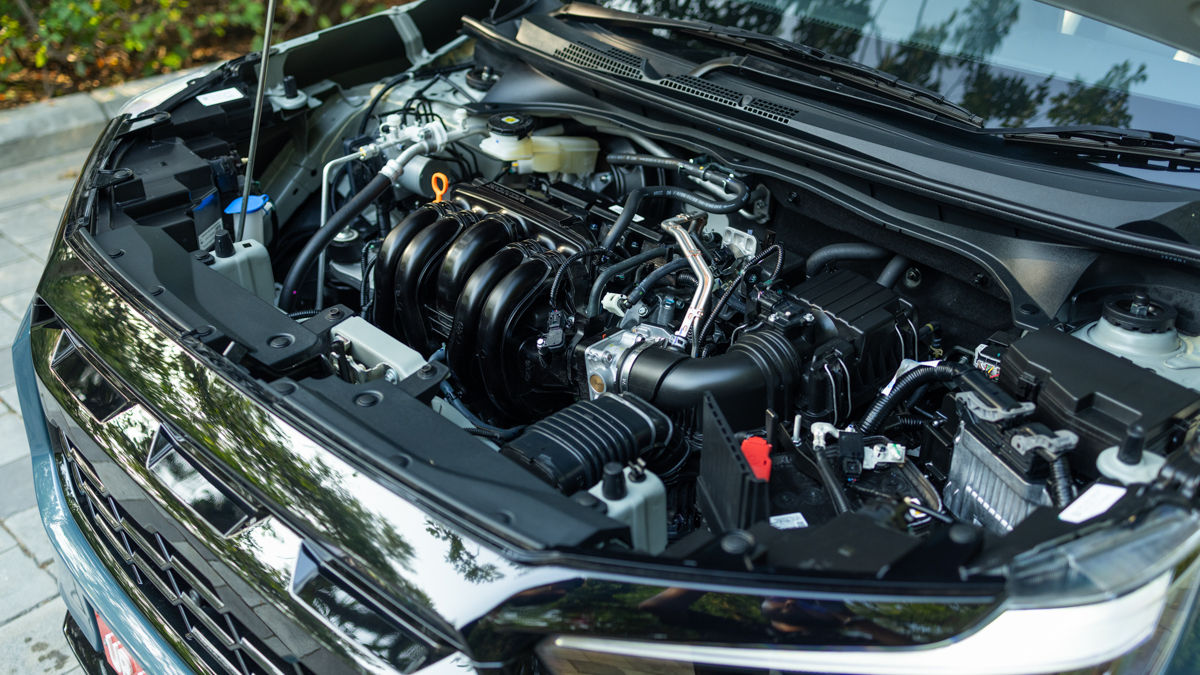
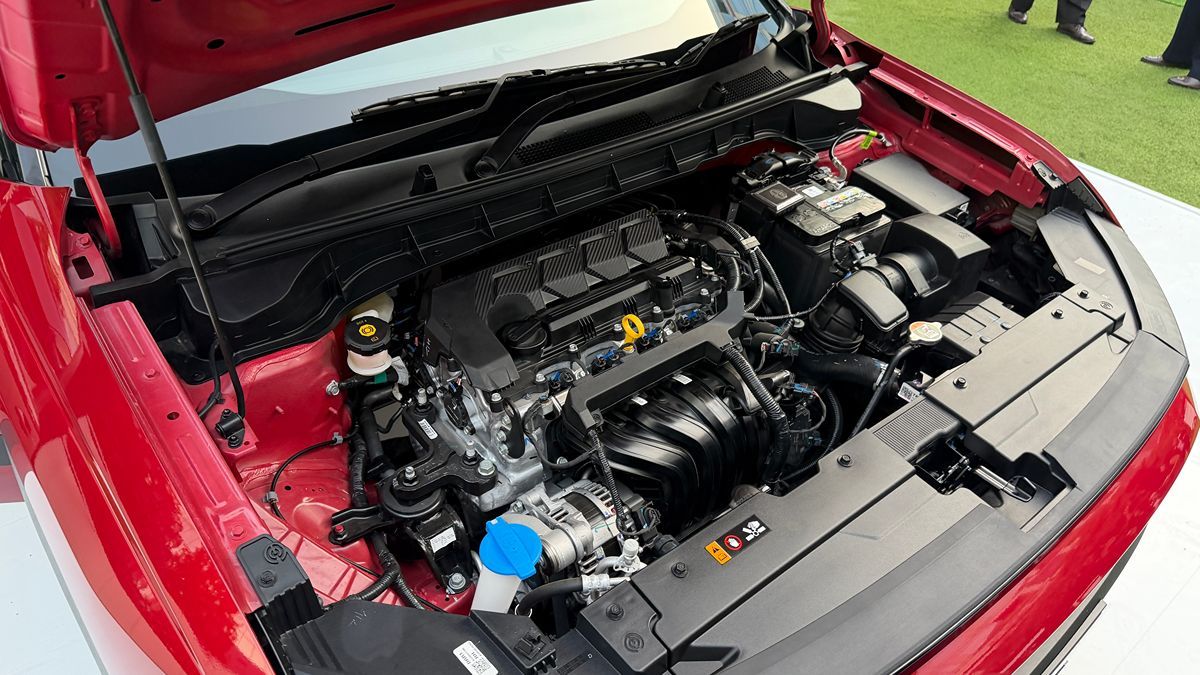
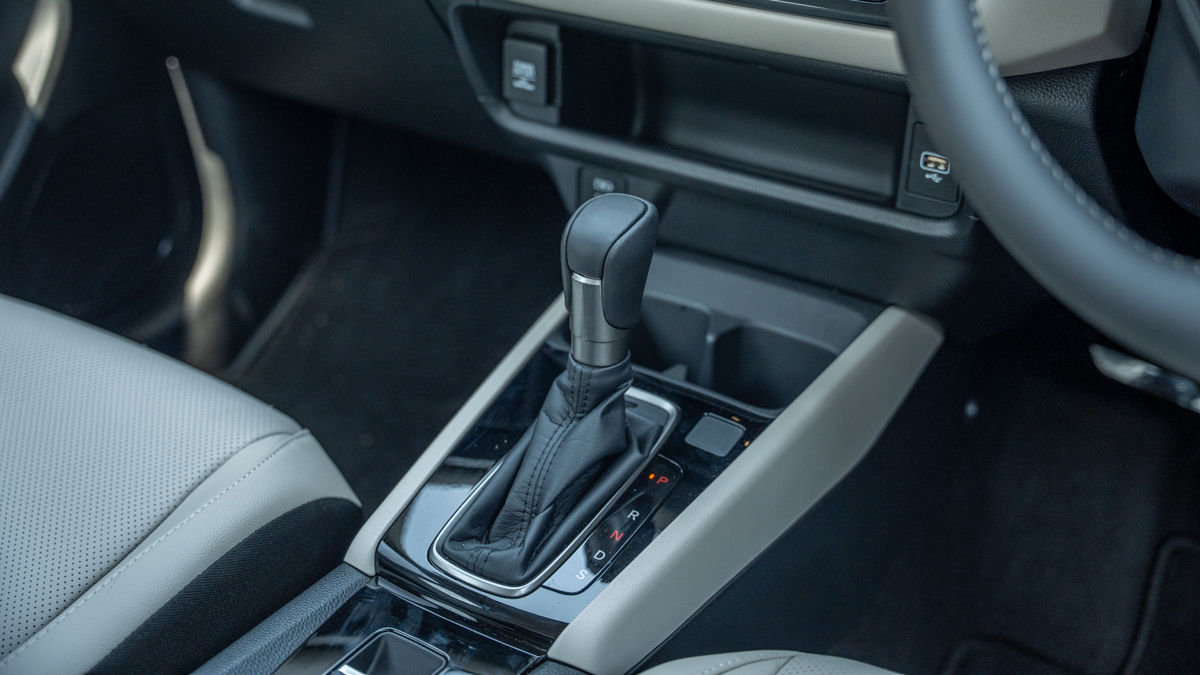
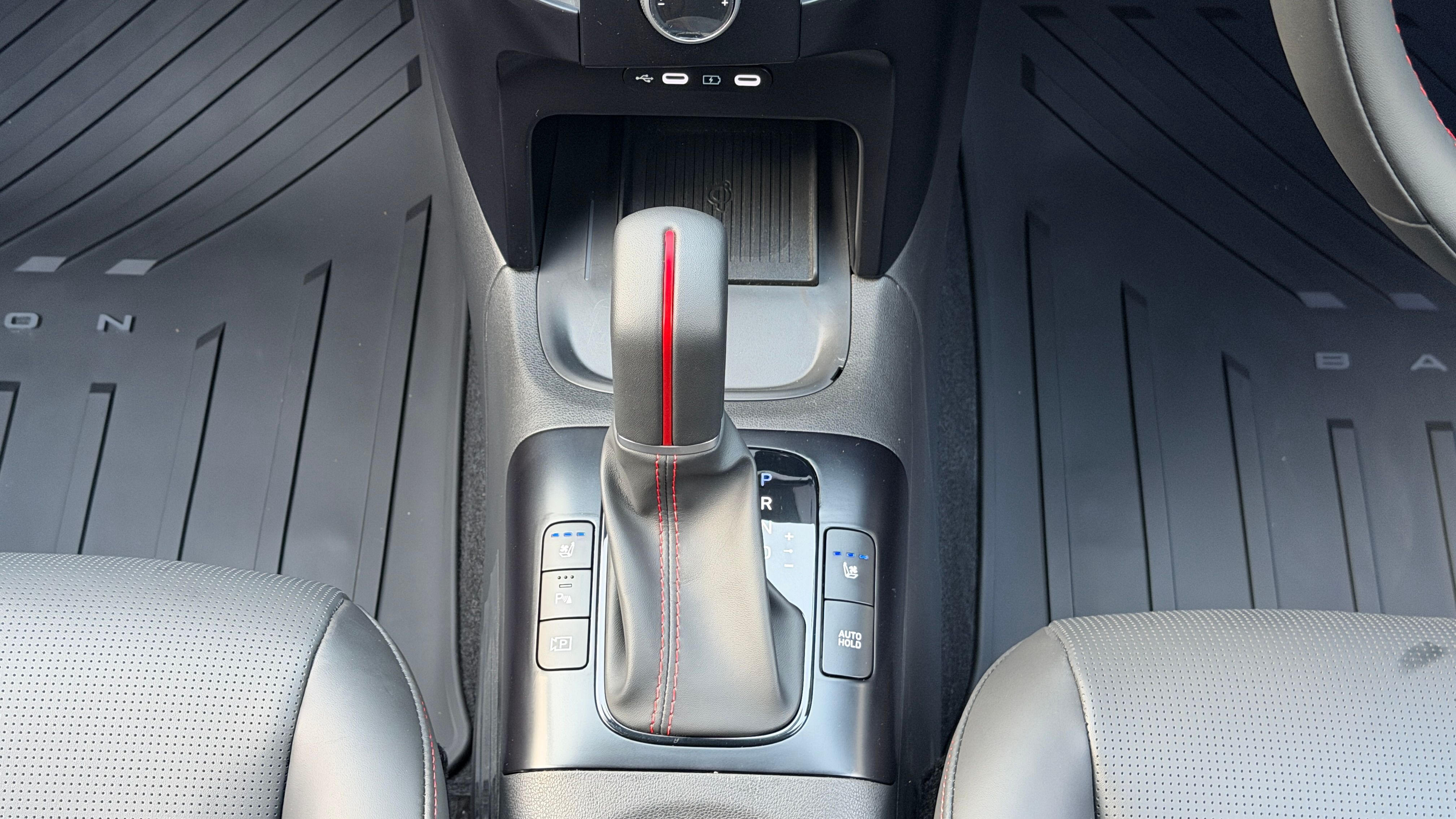
Both SUVs get a 1.5-litre naturally aspirated engine, and both are equipped with similar transmission options. However, the Elevate’s power figures are higher than the Bayon’s.
-
If you’re a driving enthusiast, the Elevate’s powertrain may appeal more to you thanks to the higher power figures and the enthusiast-friendly nature of the engine that encourages you to rev the engine harder and rewards you with more power.
-
In contrast, the Bayon’s engine has a more mellow character with better refinement and low-end drivability in the city.
-
Neither car gets factory-fitted CNG options. However, Hyundai has confirmed the arrival of a CNG powertrain for the Bayon by January 2027.
CarDekho Says…
The Elevate and the Bayon are the vanilla SUVs in the segment among other options like the Maruti Grand Vitara and the Toyota Hyryder mild-hybrids. However, where the Elevate scored higher is with the Honda badge, which comes with a robust and comfortable suspension, tried-and-tested reliability and an engine which can occasionally satisfy the boy-racer in you. The Elevate is also substantial-looking and has a more spacious cabin in comparison to the Bayon.
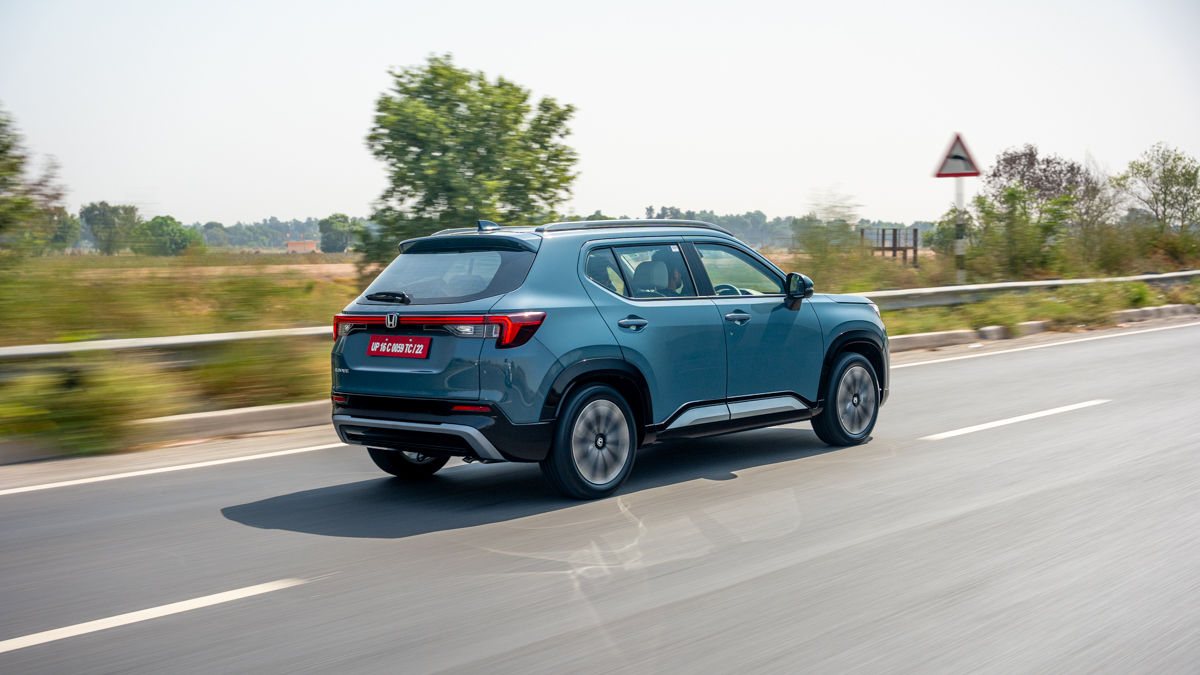
Meanwhile, the Bayon’s scores more when it comes to a premium-feeling interior, a long feature list and cabin refinement. The Bayon is intentionally priced lower to sit between the Venue and the Creta. However, both score highly in their own respects and are priced well for what they offer.
Which of these suit your preferences? Let us know in the comments below.
Other Cars To Consider:
-
Hyundai Creta: The Creta is among the best-selling cars in the country and for a good reason. This strikes a great balance of comfort, features, safety and power.
-
Kia Seltos: The Seltos is among the larger SUVs in the class and hence feels the most lavish in terms of cabin space. It is also packed with features and comes with three engine options.
-
Renault Duster / Nissan Tekton: These are among the fun-to-drive SUVs in the class. The typically European-feeling SUVs are not the best in class for space but are feature-packed and have among the sportiest driving dynamics.
-
Tata Sierra: Tata’s retro-modern SUV has among the best road presence in its class. It is also packed with features and comes with three engine options, including a diesel engine.
-
Maruti Victoris: The Victoris is among the underrated SUVs in the segment with a great balance of reliability, after-sales support, engine options and good styling.
-
Maruti Grand Vitara / Toyota Urban Cruiser Hyryder: These twins are the ones to go for if you simply want a no-nonsense compact SUV with most modern features. They also come with competent hybrid powertrains that claim great fuel efficiency.
-
Volkswagen Taigun / Skoda Kushaq: The German siblings are the top picks for driving enthusiasts. Despite the interior space and features not being best in class, they score highly for great power, dynamics and style.
-
Tata Curvv: Tata’s attempt on coupe styled SUV is for the ones looking for a something different that stands out in style. It is also packed with features and gets three engine options.
-
MG Astor: The Astor is among the most dated options in the segment. However, does get a premium-feeling cabin and is among the value-for-money options in the segment today.
-
Citroen Aircross: The 5+2-seater option from Citroen is another underrated option objectively, which has one of the most well-balanced suspension setups in the class with potent powertrain options.