Tata Aeris Vs Hyundai Aura: Find Out Which Compact Sedan You Should Buy And Why?
Tata Aeris Vs Hyundai Aura: We compare their prices, dimensions, features, safety, powertrains, and specifications to see how these compact sedans differ.


- Write a comment
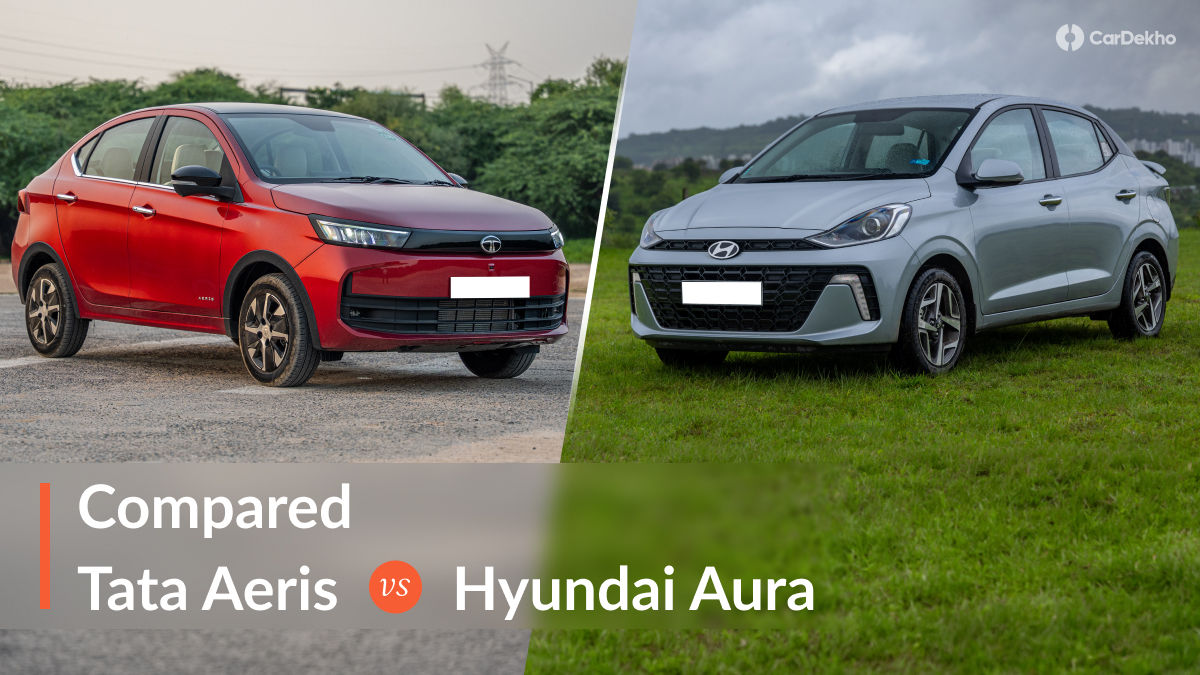
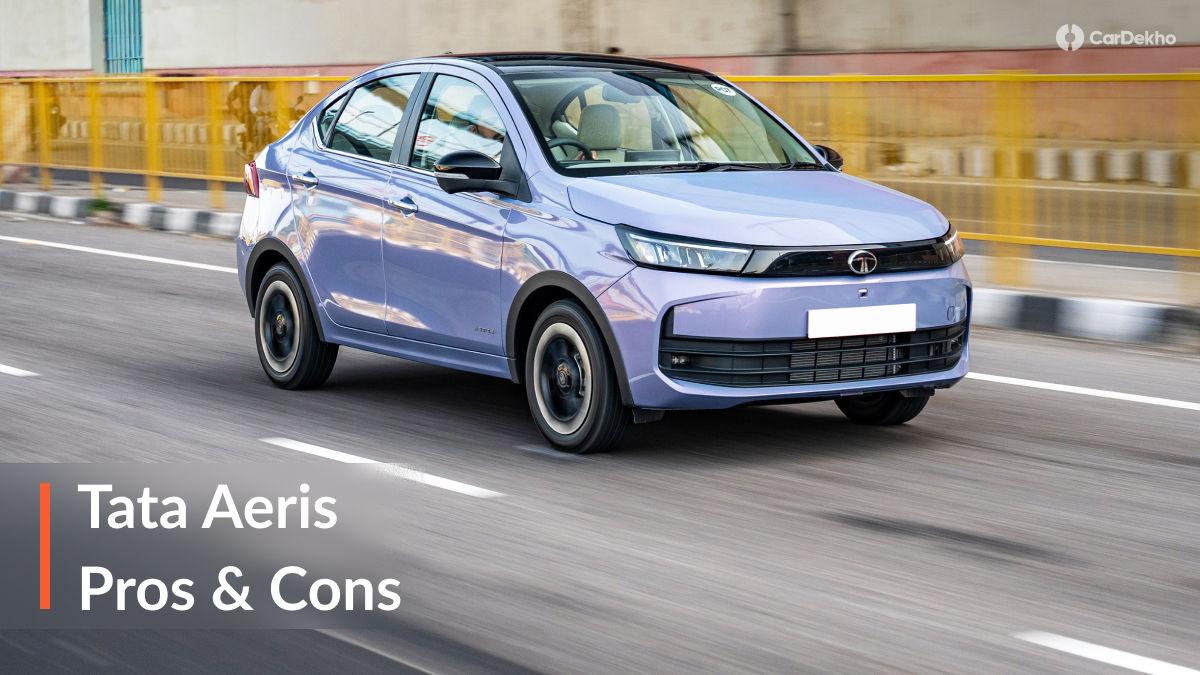
The Tata Aeris was launched in the Indian market last month, marking the debut of the new nameplate by Tata, which replaces the Tata Tigor for private customers. The Aeris can be had in both petrol and petrol+CNG iterations. In today's comparison, we pit the latest Tata Aeris against the Hyundai Aura, which, for reference, is also sold with both a petrol and a petrol+CNG engine option. While the Aeris feels like a more premium offering, the Aura gives very close competition to the new entrant, as it has always been the go-to choice for many Indian families because of its reliability and comfort around this price range.
While both cars share the same price segment and cater to buyers looking for a comfortable, practical, and feature-loaded compact sedan with modern technology along with CNG powertrain options, they differ in terms of design, pricing, features, and overall value proposition. So, in this report, we compare the Tata Aeris and Hyundai Aura across their prices, dimensions, colour options, features and safety, powertrain options, and specifications to find out which one makes more sense for your needs.
Price
| Model |
Tata Aeris |
Hyundai Aura |
| Price (Petrol) |
Rs 5.29 lakh to Rs 8.74 lakh |
Rs 5.99 lakh to Rs 8.42 lakh |
| Price (Petrol + CNG) |
Rs 6.29 lakh to Rs 9.74 lakh |
Rs. 7.89 lakh to Rs. 8.67 lakh |
(all prices ex-showroom)
-
As can be seen, the Tata Aeris is the more economical choice of the two cars. The range for the Aura starts at an additional cost of Rs 70,000.
-
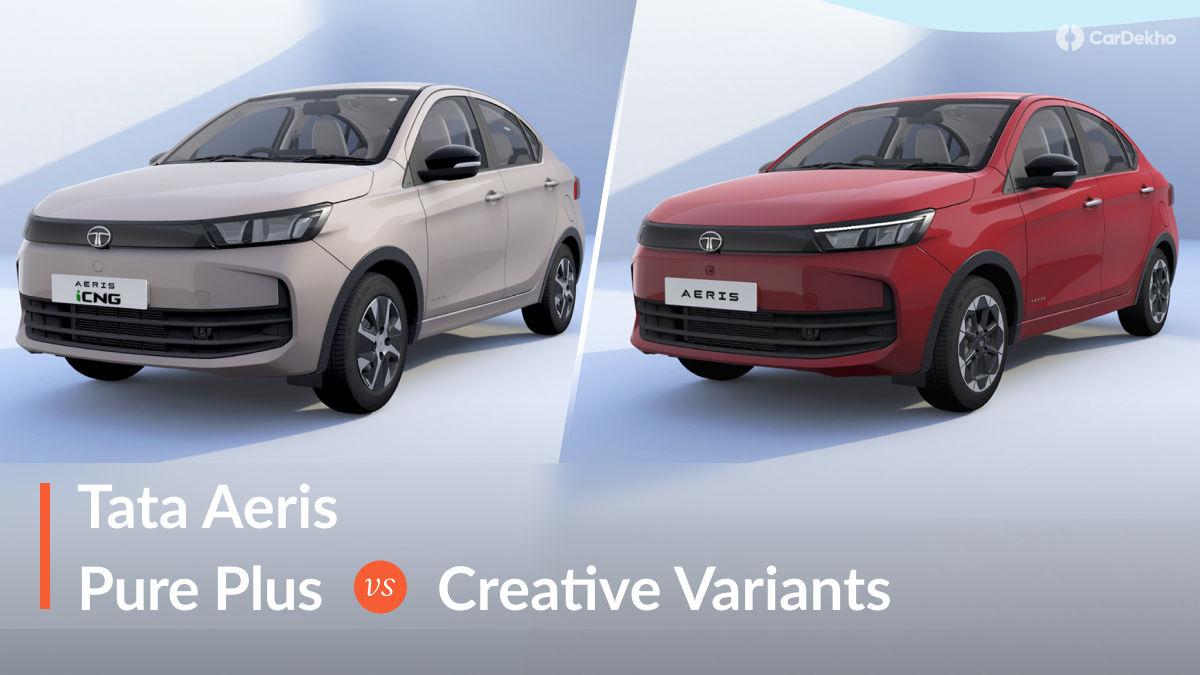
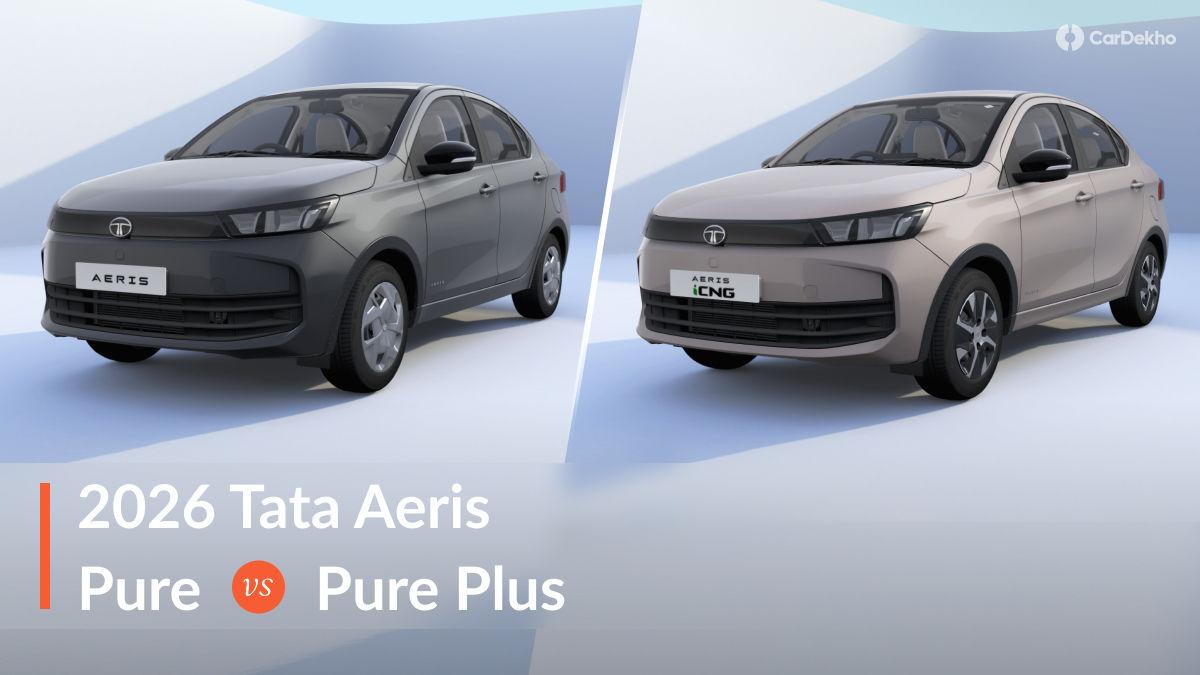
The Tata Aeris is offered with a total of 18 variants, spread across petrol and petrol+CNG powertrain options, both of which are further divided into MT and AMT preferences. The Hyundai Aura, on the other hand, is available with 8 variants to choose from, with similar petrol and petrol+CNG powertrain options, although the CNG does not get an AMT gearbox here.
-
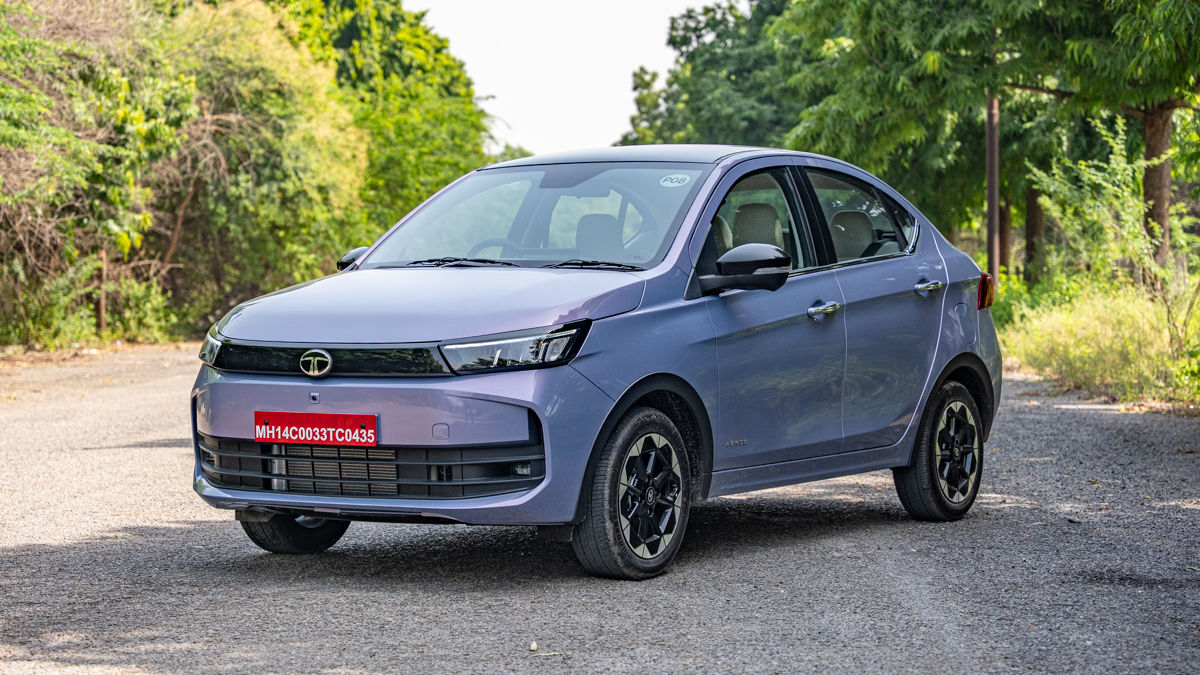
The Tata Aeris starts at a lower Rs 5.29 lakh (ex-showroom) for the base petrol variant and goes up to Rs 9.74 lakh (ex-showroom) for the top-spec petrol+CNG AMT variant.
-
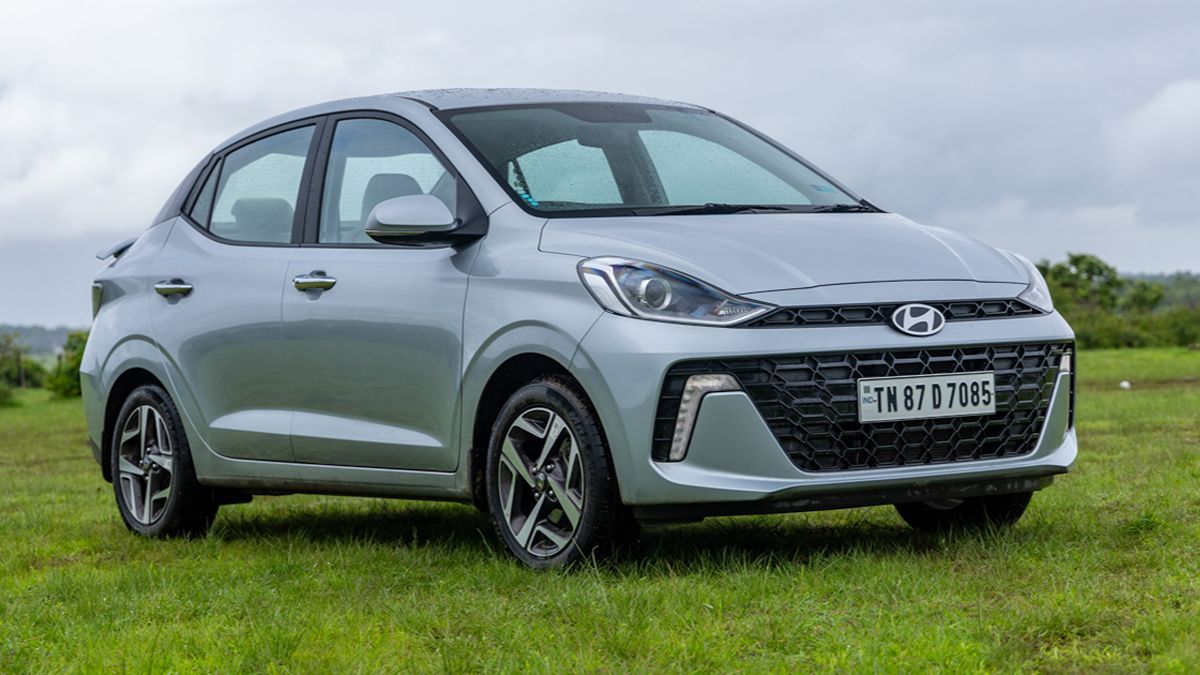
The Hyundai Aura starts at a higher Rs 5.99 lakh (ex-showroom) for the base petrol variant and goes up to Rs 8.67 lakh (ex-showroom) for the top-spec petrol+CNG manual variant.
-
Top-spec variants of the Aeris are more expensive by around Rs 32,000 for petrol and Rs 1.07 lakh for the petrol+CNG versions.
-
Starting prices of the Tata Aeris CNG are cheaper by Rs 1.6 lakh as compared to the Aura.
-
Both cars cater to a similar audience, but carry a respectable price difference. They also differ in the amount of space and features they offer.
Let’s find out what you get in each car for similar money:
Dimensions
| Parameter |
Tata Aeris |
Hyundai Aura |
Difference |
| Length |
3995 mm |
3995 mm |
(0 mm) |
| Width |
1684 mm |
1680 mm |
(+4 mm) |
| Height |
1532 mm |
1520 mm |
(+12 mm) |
| Wheelbase |
2450 mm |
2450 mm |
(0 mm) |
-
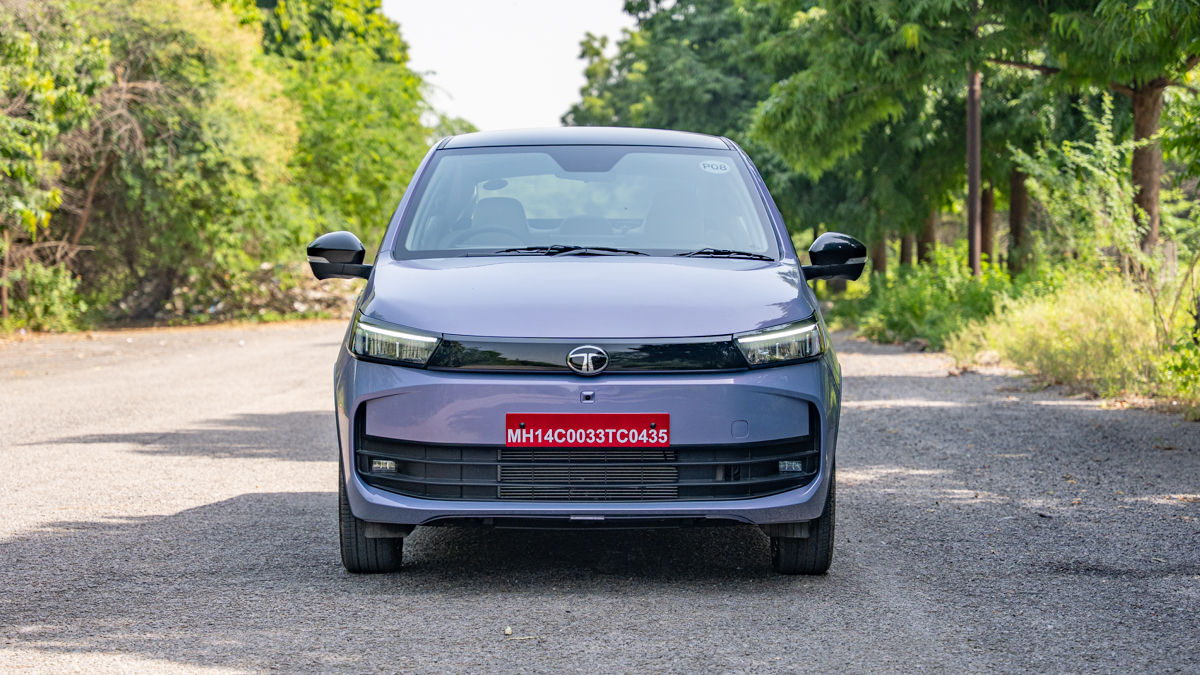
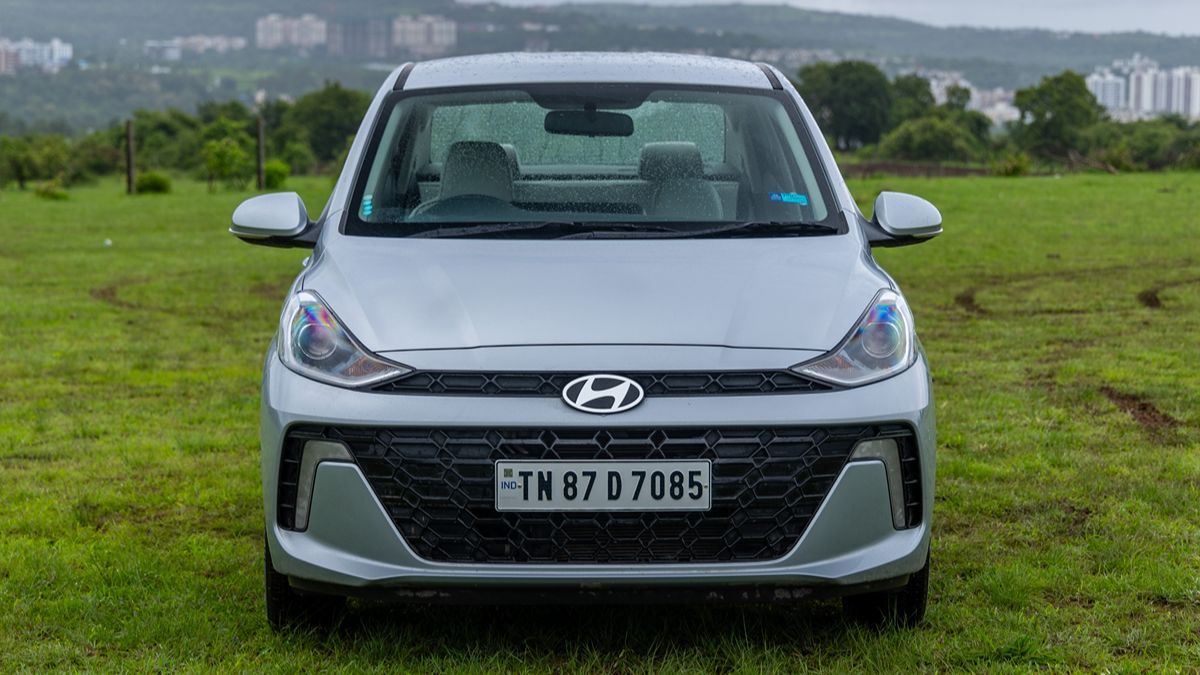
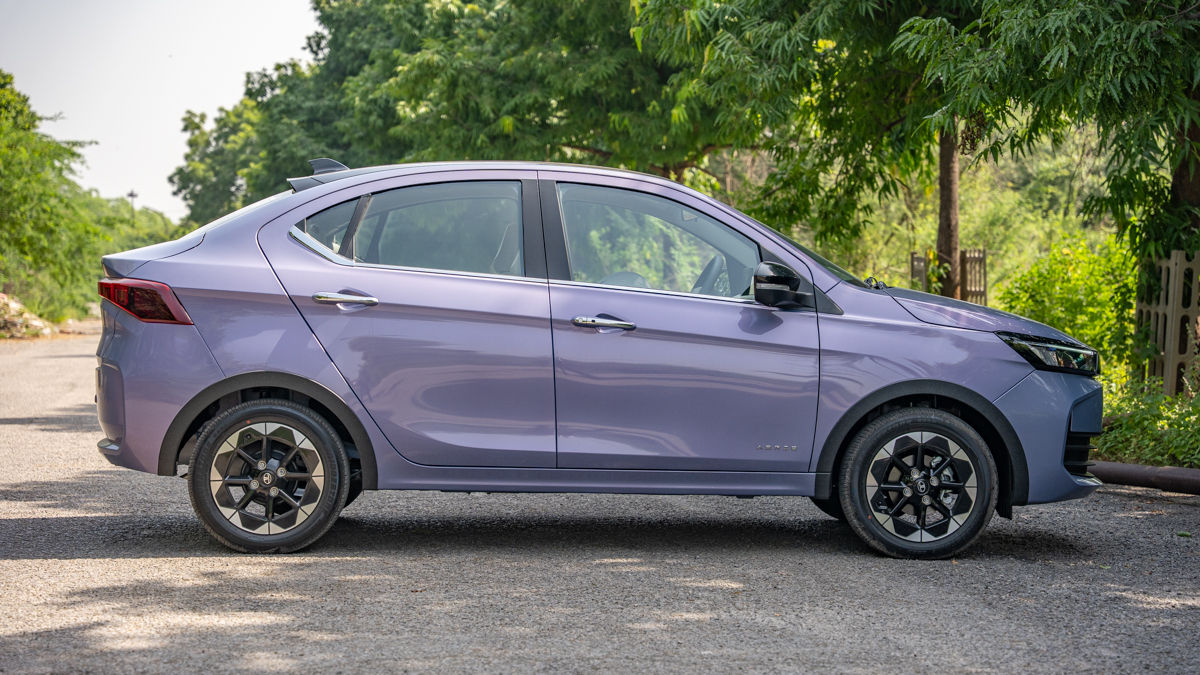
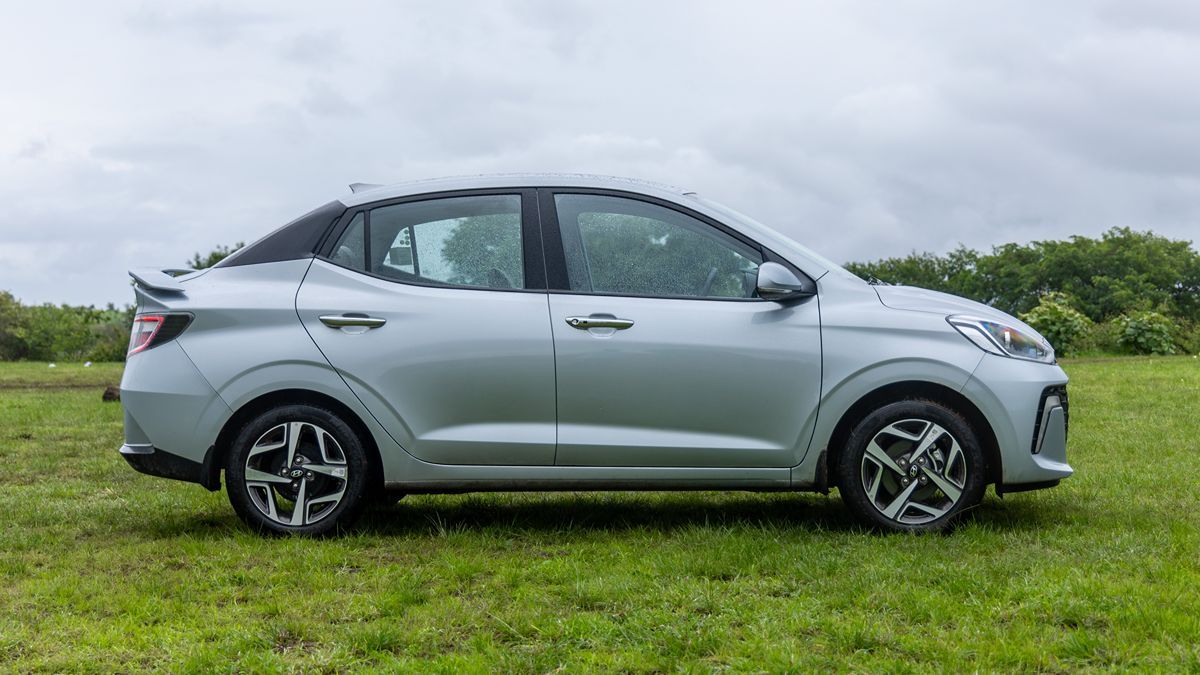
As seen in the comparison table, both cars are very similar in dimensions, but the Tata Aeris is the bigger of the two by a whisker, being larger in width and height.
-
Both the Aeris and Aura have the same length and wheelbase.
-
Since both cars are so similar in dimensions, the overall space inside is also almost the same.
Colour Options
| Tata Aeris |
Hyundai Aura |
| Pristine White |
Atlas White |
| Pure Grey |
Typhoon Silver |
| Daytona Grey |
Titan Grey |
| Dune Glow |
Starry Night |
| Nitro Crimson |
- |
| Dandeli Drizzle |
- |
-
The Aeris gets a set of both minimalistic and fancy colours, while the Aura’s colour palette is a little basic, with the Aeris offering more colours to choose from compared to the Aura.
-
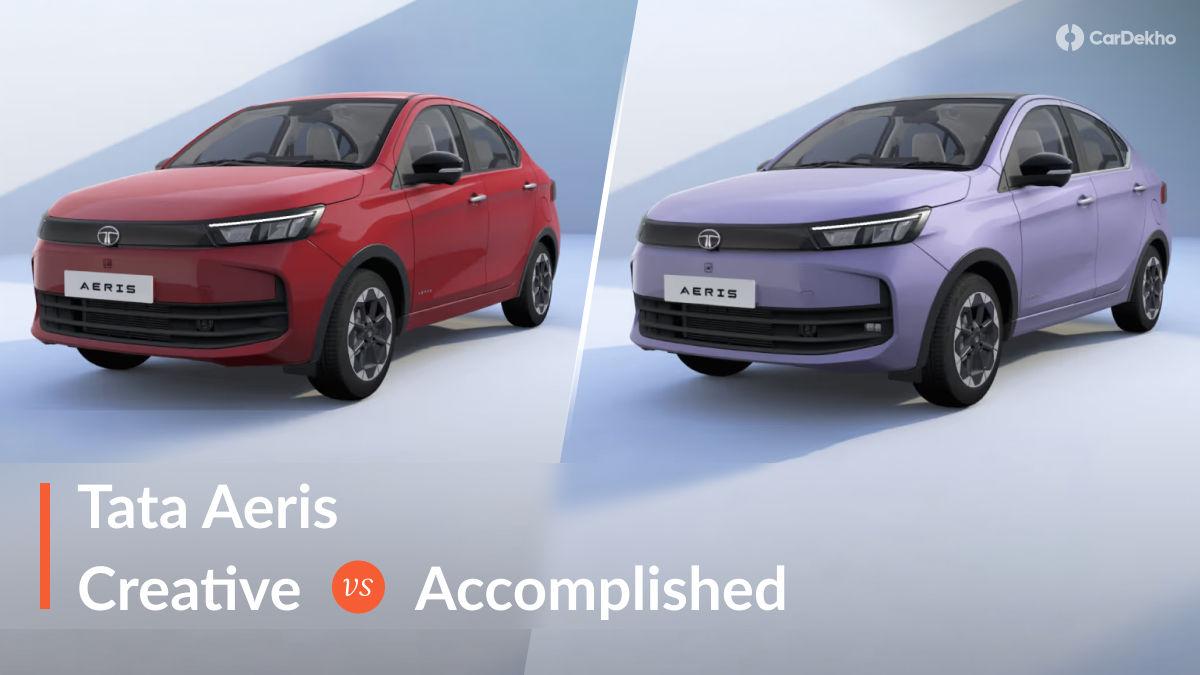
The Tata Aeris is offered in six different colours, which include Pristine White, Pure Grey, Daytona Grey, Dune Glow, Nitro Crimson, and Dandeli Drizzle.
-
The Hyundai Aura, on the other hand, is offered only in four colours, which include Atlas White, Typhoon Silver, Titan Grey, and Starry Night.
-
The top-spec variant of the Tata Aeris gets a dual-tone roof treatment on all colours, which is missing on the Hyundai Aura.
Features And Safety
| Feature |
Tata Aeris |
Hyundai Aura |
| Headlamps |
LED |
Projector |
| LED DRLs |
✅ |
✅ |
| Foglamps |
✅ (LED) |
❌ |
| LED Taillamps |
✅ |
✅ |
| Connected Taillights |
✅ |
❌ |
| Wheels |
15-inch alloy wheels |
15-inch alloy wheels |
| Shark Fin Antenna |
✅ |
✅ |
| Rear Spoiler |
❌ |
✅ |
| Infotainment |
10.25-inch touchscreen |
8-inch touchscreen |
| Wireless Apple CarPlay / Android Auto |
✅ |
✅(Through Adaptor) |
| Instrument Cluster |
5-inch digital |
Analog with 3.5-inch MID display |
| Wireless Phone Charger |
✅ |
✅ |
| Sound System |
6 speakers (4 speakers + 2 tweeters) |
4-speakers |
| Push-button start/stop |
✅ |
✅ |
| Cabin Theme |
Dual-tone Beige |
Dual-tone Grey |
| Leatherette Upholstery |
✅ |
❌ |
| Leatherette-wrapped Steering Wheel |
✅ |
✅ |
| Tilt Steering Adjustment |
✅ |
✅ |
| Steering Mounted Audio Controls |
✅ |
✅ |
| Ventilated Front Seats |
✅ |
❌ |
| Adjustable Driver Seat |
✅ (6-way manual) |
✅ (6-way manual) |
| Co-driver Seat Adjustment |
✅ (4-way manual) |
✅ (4-way manual) |
| Adjustable headrests |
Only front |
Only rear |
| Rear centre armrest with storage |
✅ |
✅ |
| Paddle Shifters |
✅ |
❌ |
| Connected Car Tech |
✅ |
❌ |
| Cruise Control |
✅ |
✅ |
| Automatic Climate Control |
✅ |
✅ |
| Rear AC vents |
✅ |
✅ |
| Automatic Headlights |
✅ |
✅ |
| Rain Sensing Wipers |
✅ |
❌ |
| Cooled Glove Box |
✅ |
❌ |
| Keyless Entry |
✅ |
✅ |
| Footwell lighting |
❌ |
✅ |
| In-built Dashcam Recorder |
✅ |
❌ |
| Airbags |
6 |
6 |
| Parking Sensors |
Rear |
Rear |
| Parking Camera |
✅ (360-Degree) |
✅ (Only Rear) |
| Blind View Monitor |
✅ |
❌ |
| TPMS (tyre pressure monitoring system) |
✅ |
✅ |
| Electronic Stability Program (ESP) |
✅ |
✅ |
| Traction Control System (TCS) |
✅ |
❌ |
| Hill Hold Control |
✅ |
✅ |
| Electrically Adjustable & Foldable ORVMs |
✅ |
✅ |
| Rear Defogger |
✅ |
✅ |
| ISOFIX Child Seat Mount |
✅ |
✅ |
-
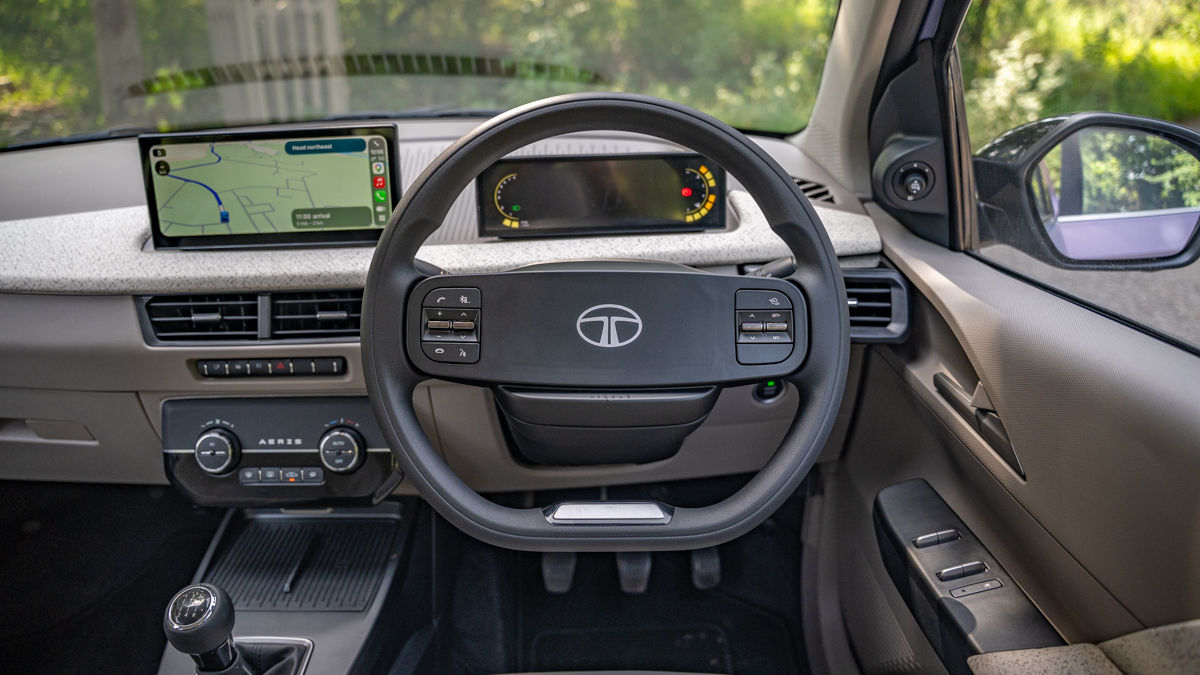
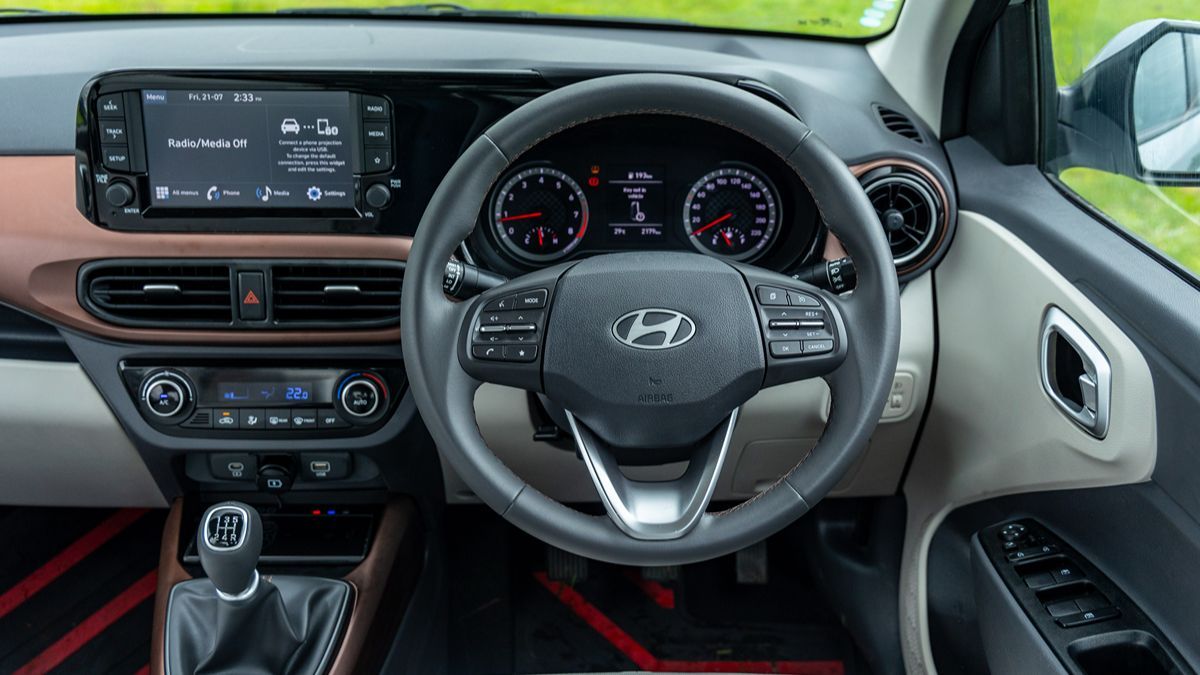
As seen in the comparison table above, both cars are very well equipped, offering a long list of convenience and safety features. Common features include touchscreen infotainment systems with wireless Android Auto and Apple CarPlay, height-adjustable driver seats, cruise control, automatic headlights, automatic climate control, rear AC vents, auto-dimming IRVM, and steering wheel-mounted controls.
-
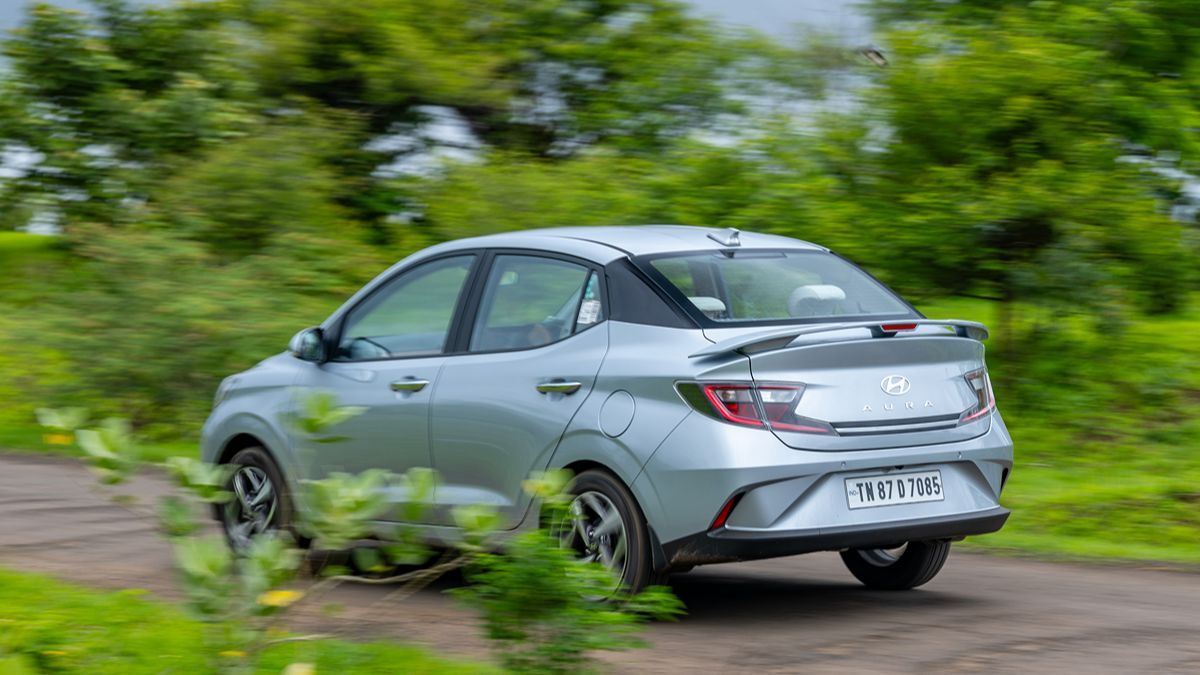
On the outside, both cars offer 15-inch alloy wheels, LED DRLs, LED taillights, and a shark fin antenna. The Aeris additionally offers LED headlights, LED fog lights, and connected LED taillights. The Aura, on the other hand, comes equipped with a rear wing spoiler and projector headlights.
-
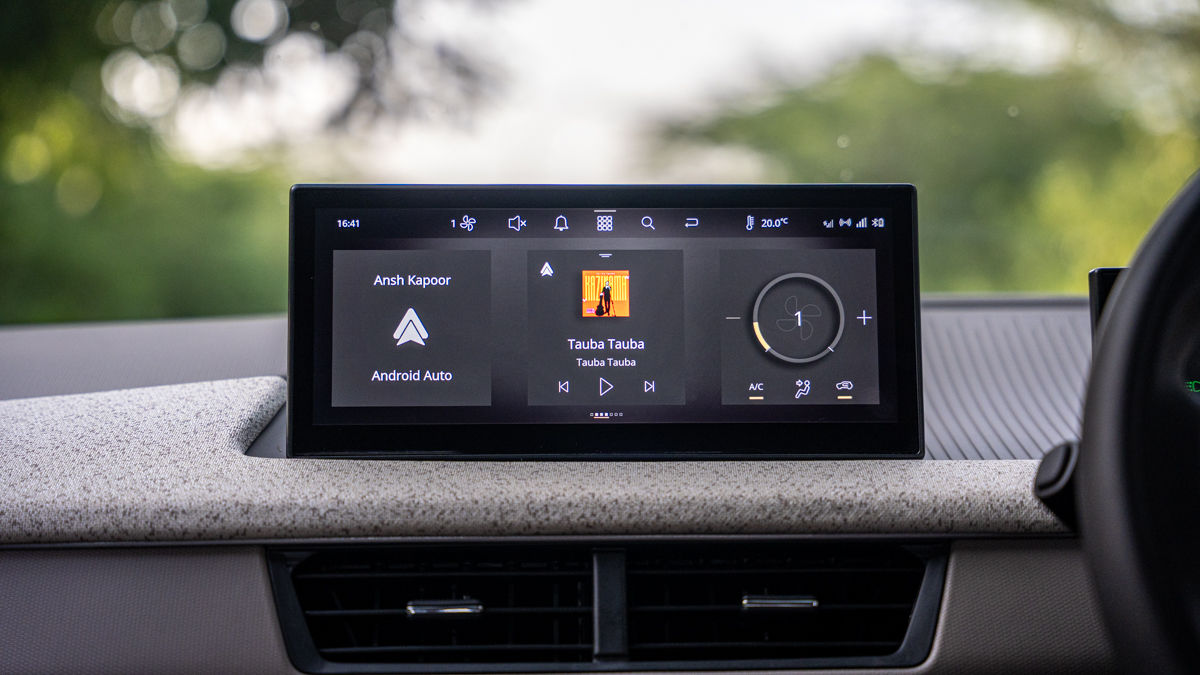
The Tata Aeris costs quite a bit less than the Hyundai Aura and offers additional features like a larger 10.25-inch touchscreen infotainment screen, a digital instrument cluster, ventilated front seats, a 360-degree camera with front and rear sensors, paddle shifters, rain-sensing wipers, an in-built dashcam recorder, connected car tech, etc.
-
The cabin of the Aeris feels more premium with leatherette upholstery and soft-touch leatherette inserts. It also offers more speakers and a cooled glove box.
-
Keeping up with the long equipment list offered on the Aeris is slightly difficult for the Hyundai Aura, but it does have its own positives like footwell lighting and a rear spoiler, which are absent on the Aeris.
-
To sum up, the Tata Aeris does have a lot more features to offer, with the Hyundai Aura falling behind in terms of modern equipment. Ignoring a few high-tech features on the Aeris, a similar feature package can be had in the Aura as well. But since the Aeris has a lower price, it is more value-for-money.
Powertrain Options
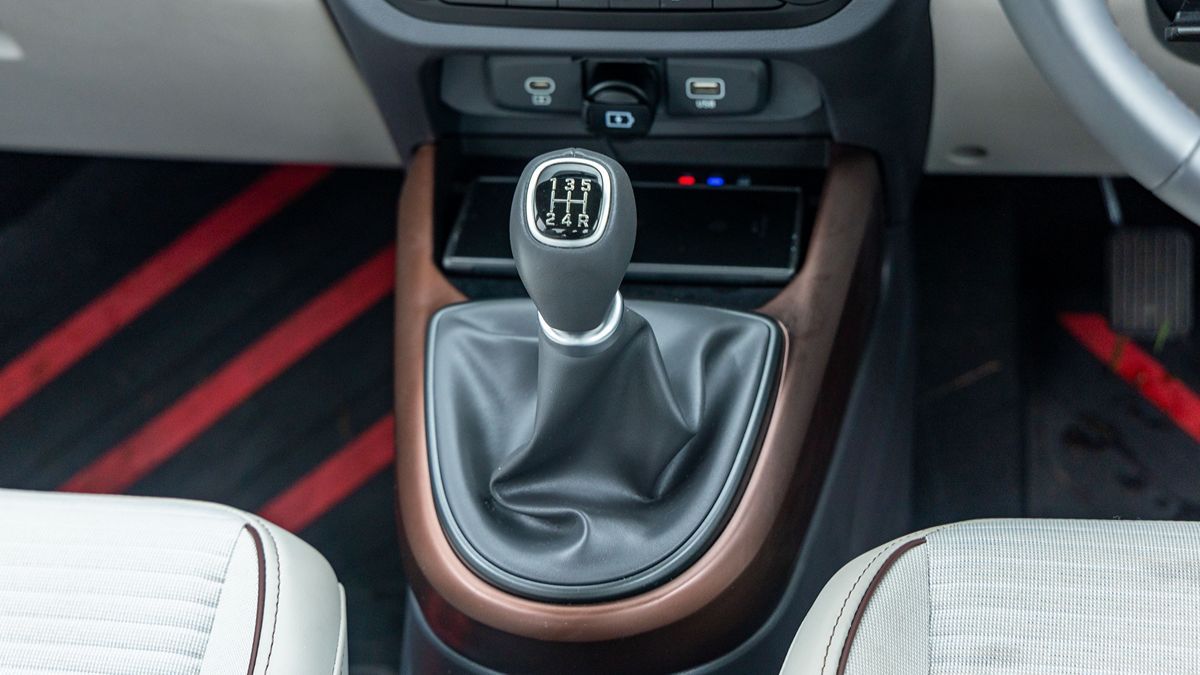
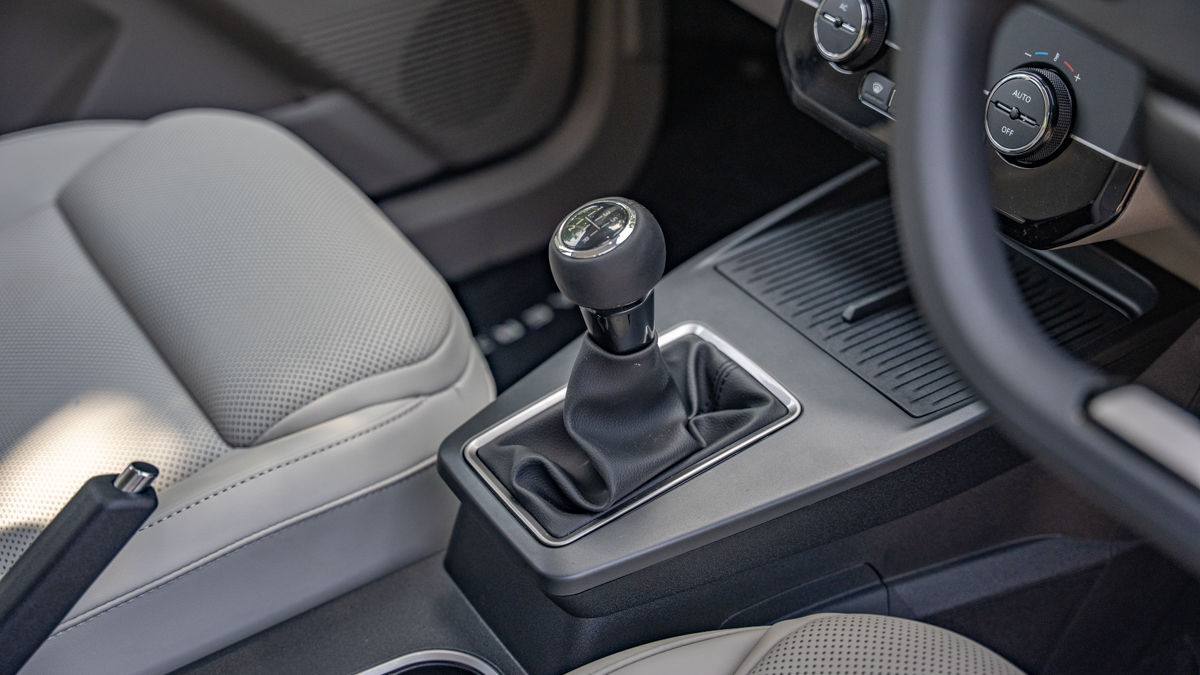
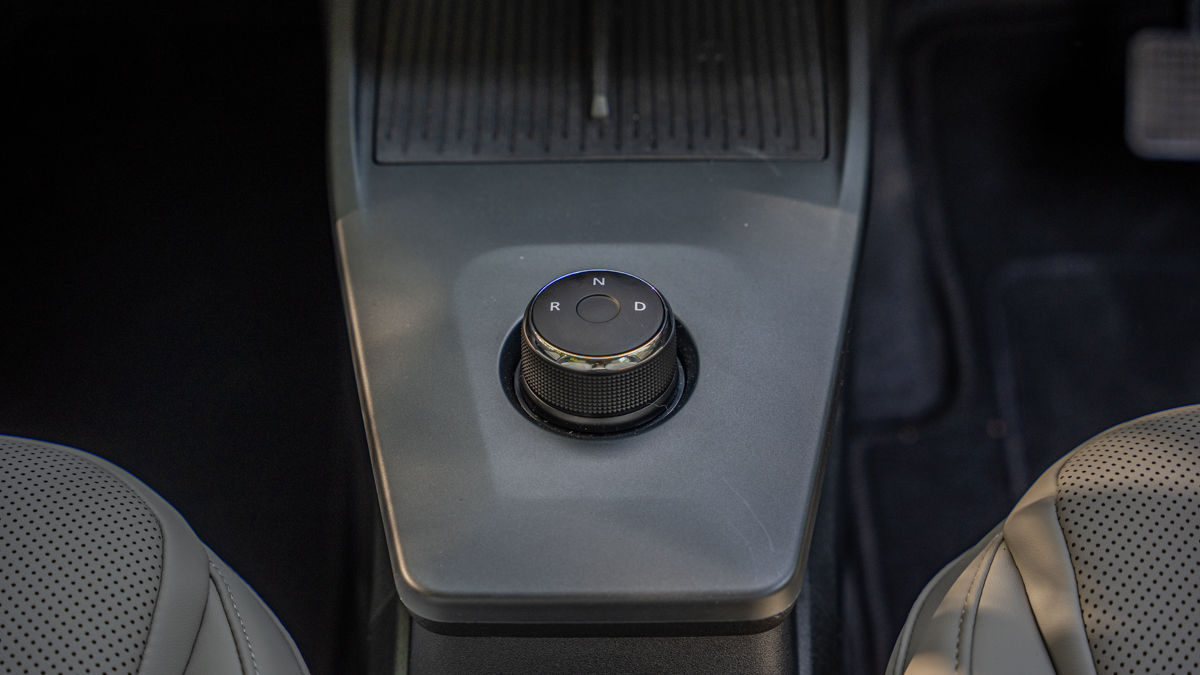
Moving towards powertrain options, both the Tata Aeris and Hyundai Aura use a 1.2-litre naturally aspirated petrol engine, which is also available with a factory-fitted CNG kit. The only difference is that Tata also offers the CNG variants with a 5-speed AMT gearbox, while the Aura CNG is exclusively available with a 5-speed manual transmission. This helps the Aeris give buyers the convenience of an automatic along with CNG for added fuel efficiency. Here’s a quick look at all the powertrain options in detail:
Let’s take a look at the specifications:
| Model |
Tata Aeris |
Hyundai Aura |
||
| Engine |
1.2-litre NA petrol |
1.2-litre NA petrol with CNG |
1.2-litre NA petrol |
1.2-litre NA petrol with CNG |
| No. of Cylinders |
3 |
3 |
4 |
4 |
| Power (PS) |
86 PS |
76 PS |
83 PS |
69 PS |
| Torque (Nm) |
113 Nm |
97 Nm |
114 Nm |
95 Nm |
| Transmission |
5-speed MT / 5-speed AMT |
5-speed MT / 5-speed AMT |
5-speed MT / 5-speed AMT |
5-speed MT |
MT- Manual transmission; AMT- Automated manual transmission
-
Both cars offer both petrol and petrol+CNG engine options, but the Aeris leaps here, with an AMT setup on the petrol+CNG engine.
-
The Hyundai Aura’s advantage here is a 4-cylinder engine, compared to a 3-cylinder engine offered with the Tata Aeris.
-
When comparing the petrol powertrains of both cars, the Aeris provides slightly more power on paper, while the torque output is almost the same. The Aura’s engine, however, has already proven itself with its high reliability over the years.
-
The petrol+CNG powertrain on the Aeris produces more power and torque on paper, plus it is offered with both manual and AMT transmission options.
-
Considering the price gap between the two cars here, the engine options on the Aeris seem like the overall better deal, but the Aura is not far behind. It has already been on the market for quite a few years now and has a reliable image, especially with fleet operators.
Rivals
The Tata Aeris and Hyundai Aura fall in the sub-4m compact sedan segment, which has only two other contenders: the Maruti Suzuki Dzire and the Honda Amaze.
CarDekho Says…
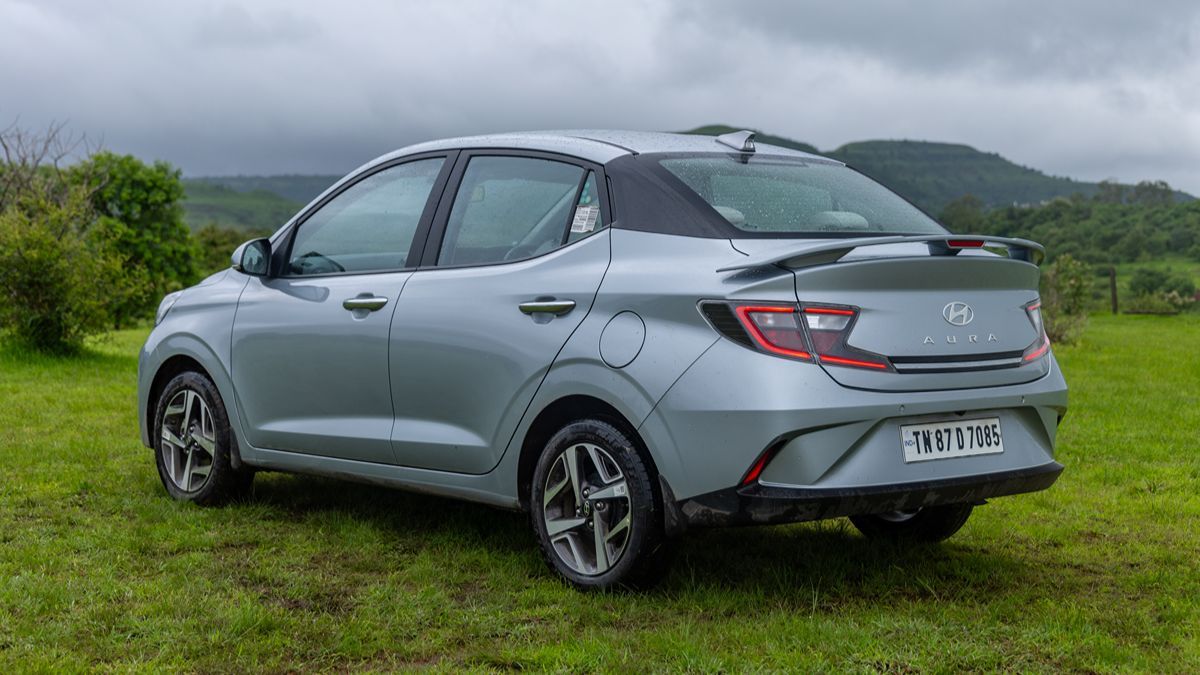
The Tata Aeris and Hyundai Aura are closely matched in dimensions and features, but the Aeris has an edge with its slightly larger body, more powerful engines on paper, and the added convenience of an AMT option with the CNG powertrain. The Aura, however, gets a four-cylinder petrol engine with an established reputation for reliability.
The Aeris also offers a more premium cabin with leatherette upholstery and soft-touch inserts, along with additional features like a 10.25-inch touchscreen, ventilated front seats, a digital instrument cluster, and a 360-degree camera. While the Aura gets a few unique touches, the Aeris clearly has the upper hand in equipment.
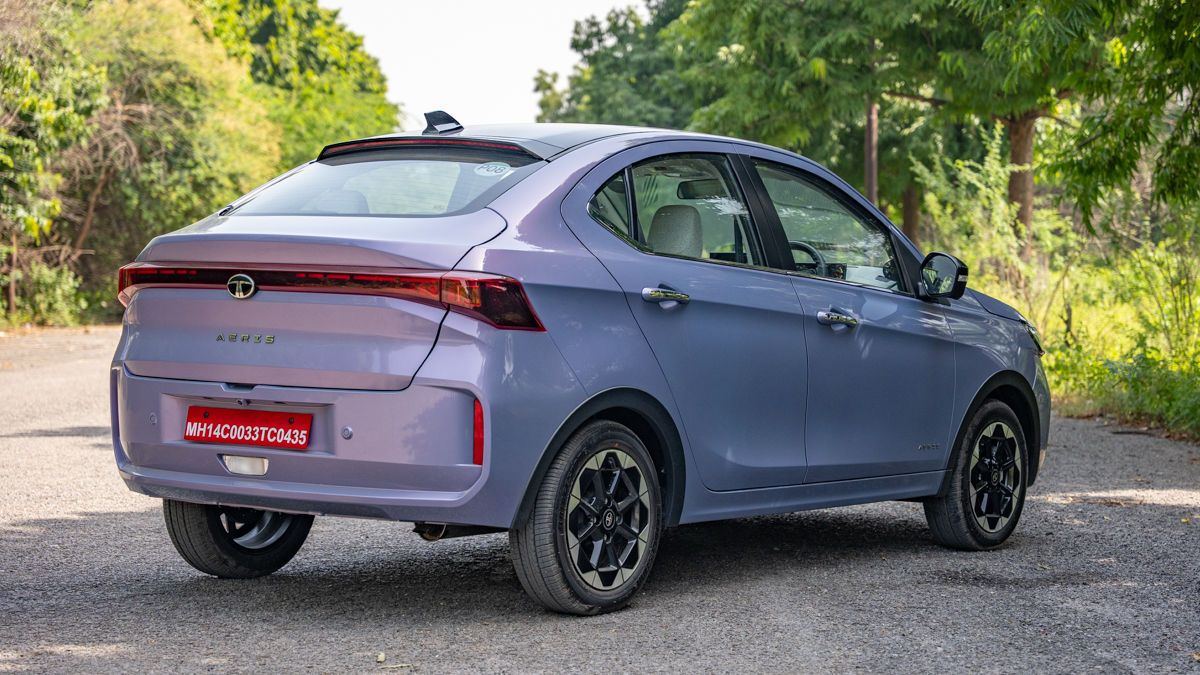
With prices starting at Rs 5.29 lakh, the Tata Aeris is more affordable than the Hyundai Aura, which starts at Rs 5.99 lakh. Considering its lower entry price, longer feature list, and wider choice of powertrain and transmission options, the Aeris is our pick for better overall value for money. The Aura makes sense for buyers who prefer its proven four-cylinder petrol engine.
Other Options To Consider
The Tata Aeris and Hyundai Aura are both great products in their respective domains. While the Aura already has a loyal customer base in the country, the new Aeris looks equally capable. But you can still have a look at some of the alternatives to these cars in the segment and what they bring to the table:
-
Maruti Suzuki Dzire: For its fuel-efficient petrol engine, comfortable cabin, long feature list, and the added convenience of an electric sunroof.
-
Honda Amaze: For its mature styling, well-rounded ride and handling balance, spacious cabin, and the added safety net of ADAS in the top-spec variant.