Bought A Car Or Scooter This Diwali? Here’s An Insurance and Paperwork Checklist for Two-Vehicle Homes
Owning a car and a scooter means keeping track of two sets of documents, insurance policies and traffic fines. Here’s what to check at delivery and which renewal dates to track.


- Write a comment
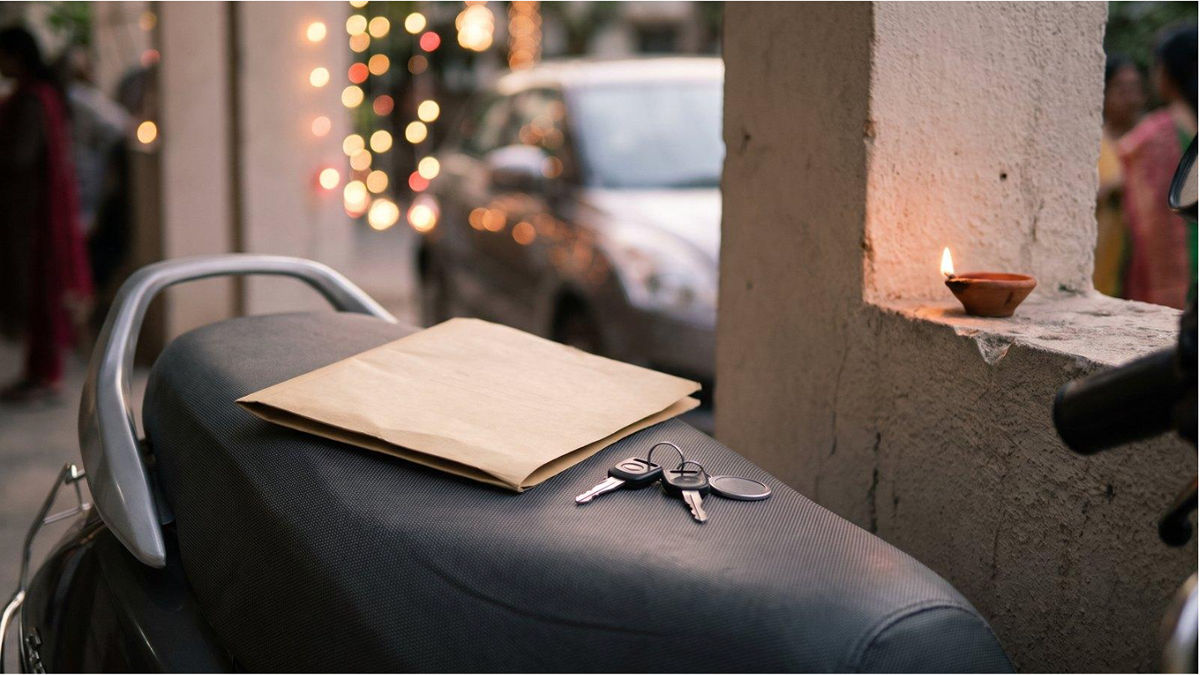
Two-vehicle garages are increasingly becoming a lot more common these days, but it also means having two sets of papers, two registration numbers, two insurance policies and two vehicles that can collect traffic fines. To make this process, here is a checklist for you to ensure that all paperwork goes across smoothly when taking delivery of your new ride:
Paperwork During Delivery
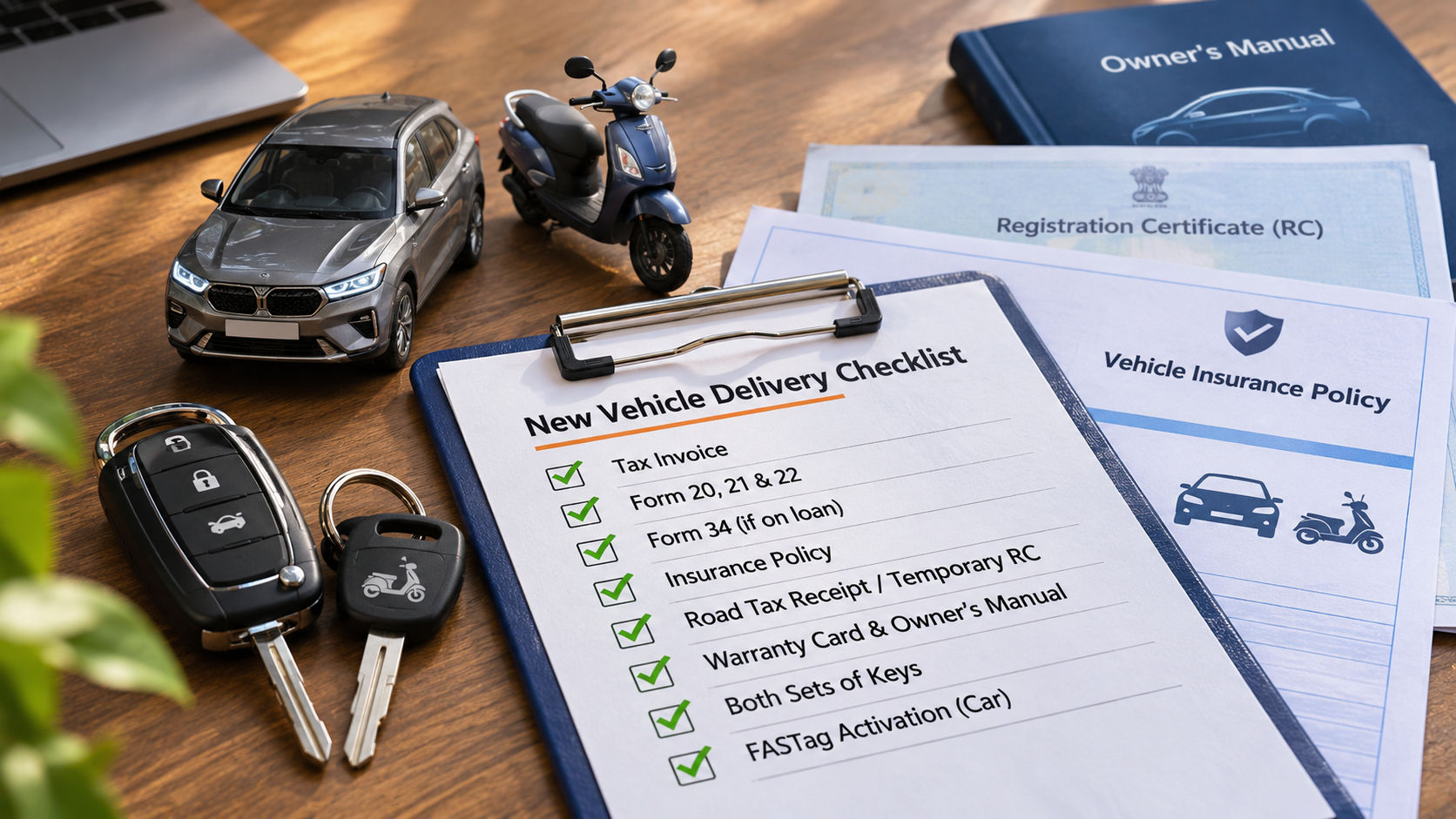
When taking delivery of your new car or scooter, there is a common set of important documents that you must collect. Ask each dealer for these before you leave the showroom and keep one common folder for each vehicle. Ensure that while taking delivery, all of these documents are in place:
-
Tax invoice showing the ex-showroom price and the taxes paid
-
Forms 20, 21 and 22: the registration application, the sale certificate from the dealer and the safety and emission certificate from the manufacturer
-
Form 34, needed only if the vehicle is on a loan, which records the lender on the registration certificate (RC).
-
A copy of the Insurance policy
-
Road tax receipt, plus the temporary registration slip if the permanent one is pending
-
Warranty card, owner's manual, service booklet and both sets of keys
If you’re taking delivery of a car, also check if the Fastag sticker on the windshield is activated and linked to your phone number.
Details Should Match On Every Document
Before taking delivery, double-check every document to ensure that every detail matches, especially the engine number, chassis number and your name. Match the engine number and chassis number on the invoice to the actual vehicle, on Form 21 and on the Insurance policy.
Furthermore, your name and address on Form 20 should match your Aadhaar and PAN card letter for letter. Any error in the same could get carried over into the registration certificate (RC). Ensure to not skip this step, as correcting errors afterwards can be a lot more difficult than doing it at the showroom itself.
Insurance Terms On A New Car And A New Scooter
While Insurance terms are largely similar for both new cars and new scooters, they differ mainly on the mandatory coverage period. Under Section 149 of the Motor Vehicles Act, Third-party cover is a compulsory item, which pays for injury or damage to others in case of an accident and should be included in your policy.
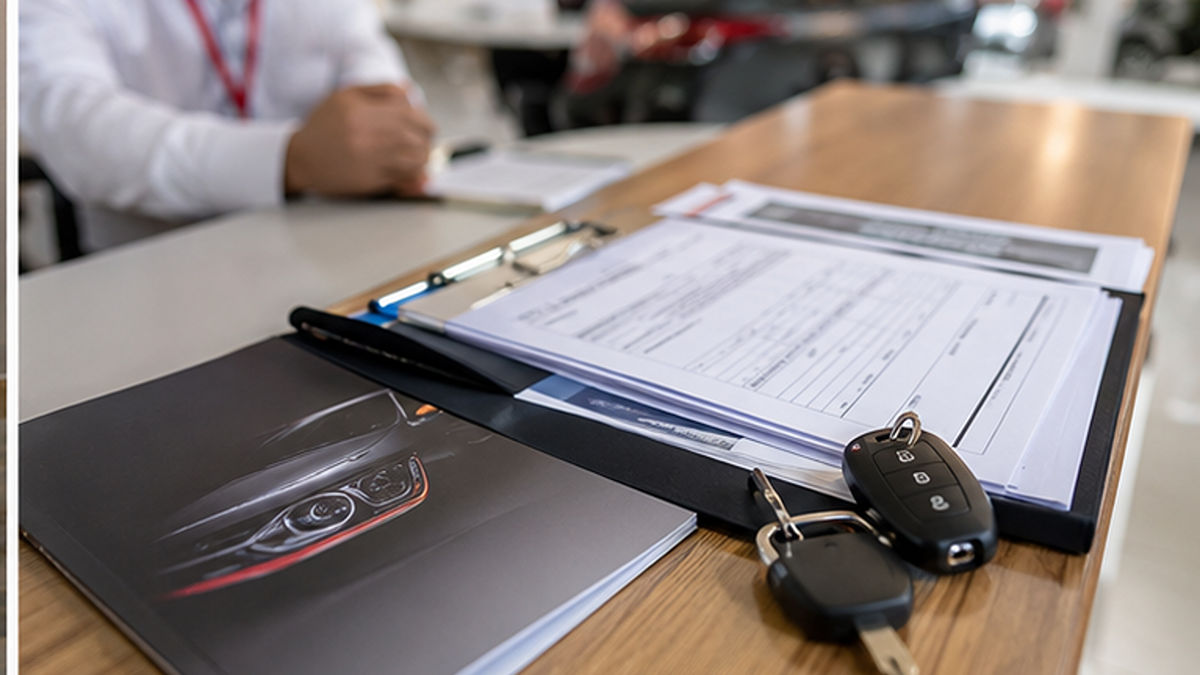
You can also opt for an Own-damage cover, which covers your own vehicle’s loss or damage. This one, however, is an optional add-on.
On August 4, 2026 the Supreme Court directed that new cars carry four years of third-party cover and new two-wheelers six. That replaced the three and five year coverages which were fixed in 2018. Here is what the mandate covers:
| What to check |
New car |
New Scooter |
| Third-party term directed by the Supreme Court (Current) |
4 years |
6 years |
| Third-party term under the 2018 rule |
3 years |
5 years |
| Own-damage cover |
Optional, often sold for 1 year |
Optional, often sold for 1 year |
| What to ask the dealer |
Third-party end date, in writing |
Third-party end date, in writing |
You should also ask each dealer in writing, about which third-party term applies on your purchase date. Then note the end date printed on each policy.
What To Read On The Insurance Policy
The three most important details to check on your insurance policy are the Insured value, vehicle details and any extra add-on covers that you have paid for. Starting from the IDV (Insured Declared Value), which is the amount that the Insurer will pay if the vehicle is stolen or damaged beyond repair, it should be around 95% of the ex-showroom price of your vehicle.
On top of the base policy, you can also purchase add-ons for further coverage, such as:
-
Zero depreciation: Pays for replaced parts without a cut for wear
-
Engine protection: Covers engine damage while driving through waterlogged roads
-
Return to invoice: Pays out the full on-road price if the vehicle is stolen or damaged beyond repair
Each of these add-ons should be reflected in the policy schedule, next to the chassis and engine numbers on your policy document.
Changes On The Scooter Policy After The First Year
After the first year, the own-damage part of the scooter policy ends while the third-party part keeps running. A two wheeler insurance policy sold with a new scooter usually joins a long third-party term with one year of own-damage cover.
Even if nobody renews the Own-damage cover, the scooter stays legal to ride. However, its theft or accident repairs are no longer covered. The same split applies to the car policy as well.
When buying the policy, ask the Insurer for third-party and own-damage premiums as separate lines. The third-party cover has a fixed price, but it is in the own-damage part and optional add-ons where quotes may differ.
Why Each Vehicle Has Its Own No Claim Bonus
A No Claim Bonus (NCB), is a discount in the Insurance premium, for each year without a claim and is applicable only in Own-damage policies. Do note that it is attached to the owner, and not the vehicle itself and starts at zero for both a new scooter, and a new car.
If you already own an older car, it keeps its NCB intact, and the new vehicle starts from a fresh count.
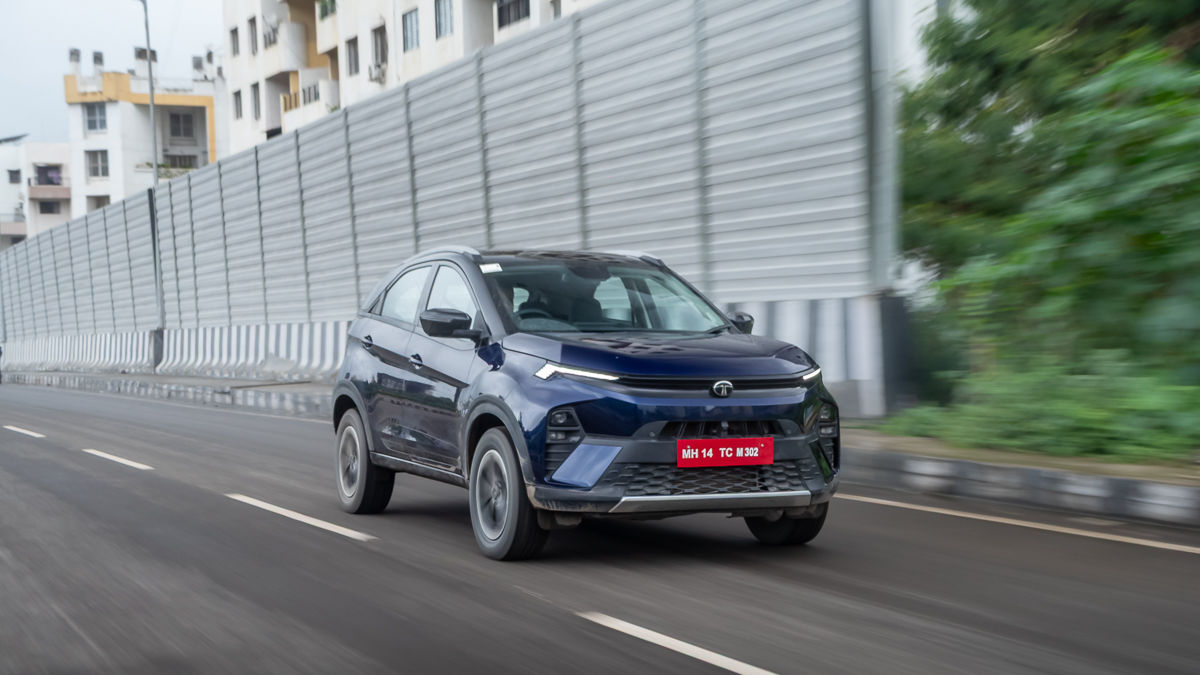
The NCB discount starts at 20% after one claim-free year and rises to 50% after five. A claim on any vehicle resets the bonus on its policy to zero.
Dates To Track When a Home Has Two Vehicles
For each vehicle, you will have to keep track of some important dates that are independent of each other. Make a note of the following dates, when you take delivery of your vehicle:
-
Own-damage coverage renewal date, which is usually one year from purchase
-
Third-party coverage end date, which is years later and is usually different for the car and the scooter
-
First pollution check, due 12 months after registration
-
Free service dates in the service booklet
A new car or two-wheeler does not need a separate Pollution Under Control (PUC) certificate for its first 12 months. After one year from the registration, it has to be renewed each year.
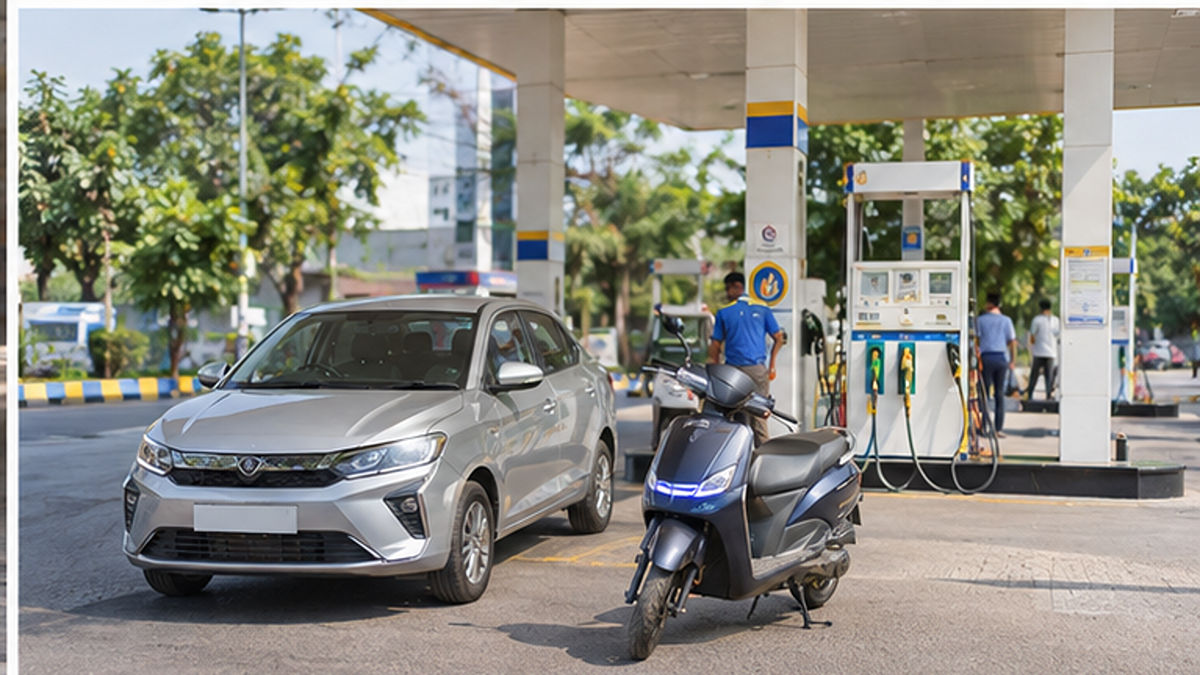
Under the Motor Vehicles Act. Driving or riding without a valid insurance policy carries a fine of Rs 2,000, up to three months in jail, or both, for a first offence. A repeat offence raises the fine to Rs 4,000, and driving without a valid PUC certificate can attract a fine of up to Rs 10,000.
To ensure a hassle-free experience, you can also save a digital copy of each policy and RC in DigiLocker or the mParivahan apps on your phone.
How Traffic Fines LinkTo Each Vehicle
Traffic fines are linked to the registration number, so each vehicle builds its own record. When a camera or a police handheld device reads the plate, the system pulls the owner's details from the national VAHAN vehicle database. A text message with the fine then goes to the mobile number saved against that vehicle.
Two-vehicle households should know which phone is on each record. If the car is in one name and the scooter in another, the messages will go to two different phone numbers.
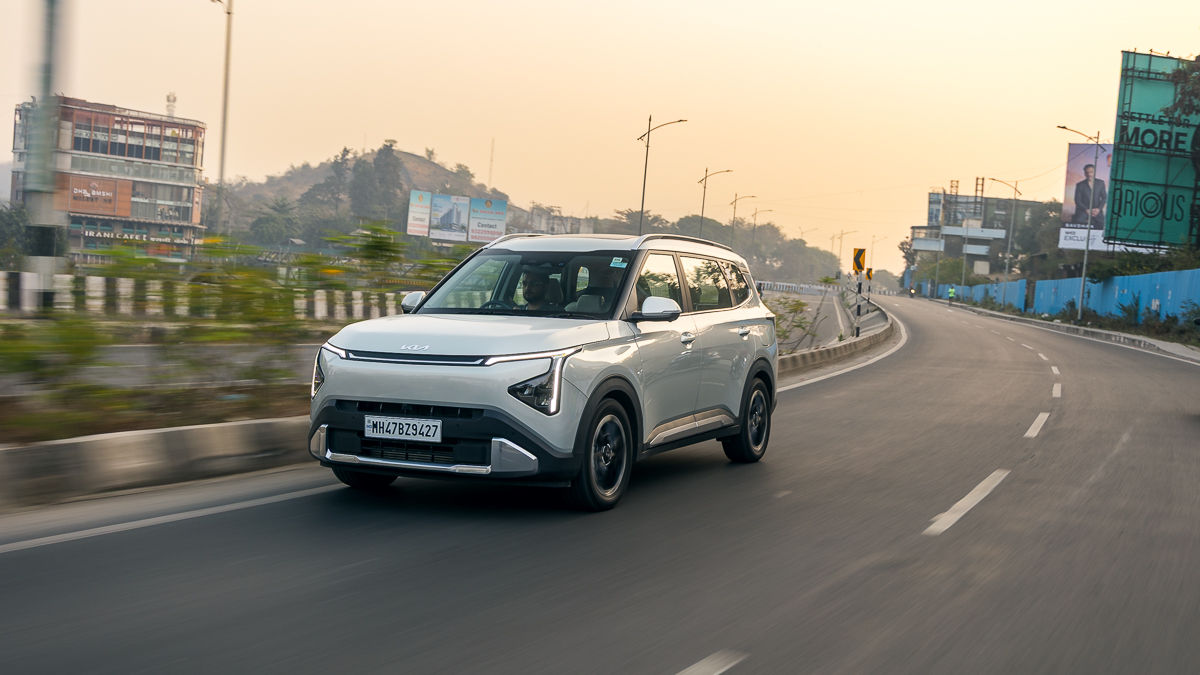
Hence, while taking delivery, ask each dealer to confirm that your current mobile number was entered during registration. If it was not, notification alerts can be missed and regular online checks could become the only way to know.
Not just traffic offenses, cameras are now also being used to track and fine vehicles with expired Insurance policies. In its August 2026 order, the Supreme Court directed cameras to be installed at fuel stations to check insurance status of vehicles against VAHAN and issue fines automatically. The court also asked for a pilot project that links fuel sales to valid insurance, though the order does not create an immediate nationwide ban for now.
How To Check Challans On Both Registration Numbers
Checking for traffic challans on both registration numbers means running the same search twice. Looking up an e challan takes a few minutes on the Parivahan eChallan portal of the Ministry of Road Transport and Highways.
1. Open the portal and choose Check Challan Status.
2. Select Vehicle Number and enter the registration number.
3. Enter the last five digits of the chassis or engine number.
4. Fill in the captcha, then enter the one-time password sent to the registered mobile.
5. Repeat the steps for the second vehicle.
Pending fines appear with the date of the offence, the amount and the status. If nothing is due, the portal shows a message such as "Challan Not Found".
A check in the first month, and then every few months, catches fines that never reached your phone.
Frequently Asked Questions
Does the longer third-party term apply to a vehicle I already own?
The longer third-party term applies to new vehicles bought after the Supreme Court's August 2026 direction. A policy already running on an older car or scooter remains valid and does not need to be replaced.
Is comprehensive insurance compulsory on a new car or scooter?
Comprehensive (or Own-damage) insurance is not compulsory. Only the third-party cover is required under the Motor Vehicles Act, and cover for theft or damage to your own vehicle is a choice the buyer makes.
Can a no claim bonus be passed to the person who buys my old car?
A no-claim bonus cannot be passed to the buyer of a used car. The bonus stays with the seller, who can ask the insurer for an NCB certificate and use it on a replacement vehicle.
Which app can I use to check challans on a vehicle?
The mParivahan app shows vehicle papers and pending traffic fines. Many state traffic police portals also list challans against a registration number and the last digits of the chassis or engine number.
Is there a penalty for late renewal of bike insurance?
An expired bike policy leaves the vehicle uninsured, and riding it on a public road can bring a Rs 2,000 challan. The insurer may also ask to inspect the bike before renewing, and the no claim bonus can be lost.
Key Takeaways
-
Collect the same important documents for each vehicle, which include the Invoice, Forms 20, 21 and 22, the policy copy and the tax receipt.
-
Read both policies for two dates. Own-damage cover usually ends after one year, while the third-party term runs for several years.
-
Each vehicle has its own no claim bonus. One bonus cannot be used on two running policies at the same time.
-
Check both registration numbers for fines regularly. Alerts go to the mobile number saved against each vehicle, so a wrong number means missed messages.