Kia Seltos Petrol Vs Diesel: We Tested 3 Powertrains And Compared Real-world Mileage As Well As Running Cost!
While still superior, diesel engines have definitely lost that innate fuel efficiency advantage over petrol engines to a great extent


- Write a comment
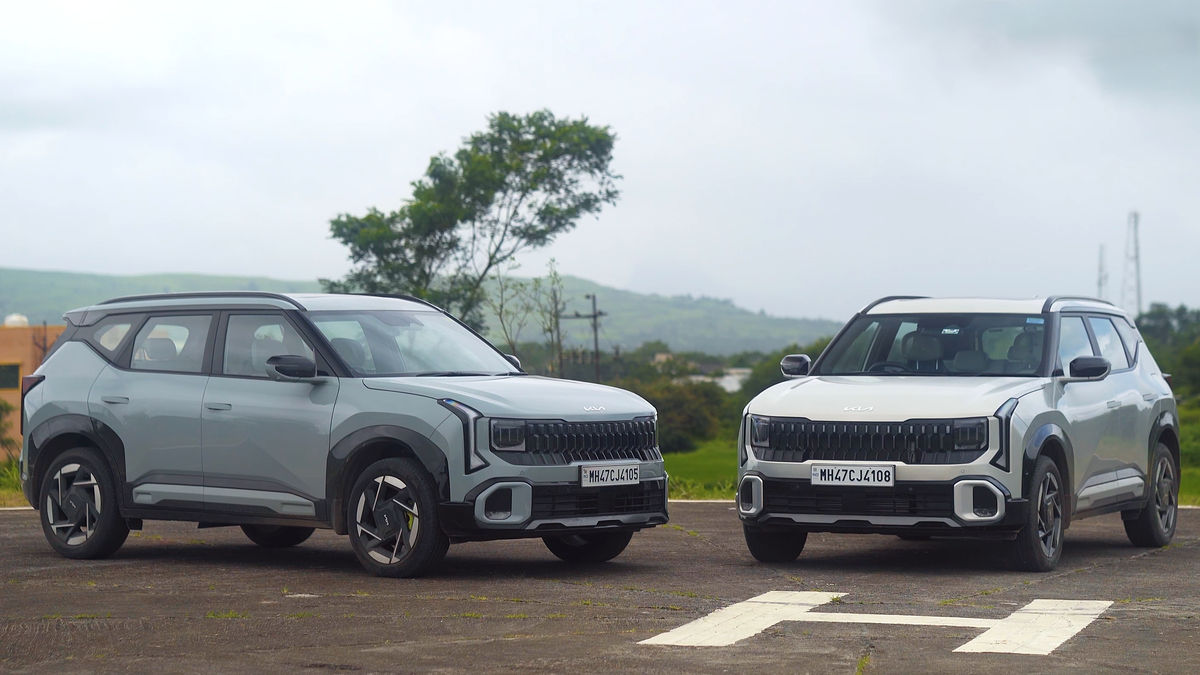
Between petrol and diesel engines, the latter has always been the superior choice for somebody who wants the maximum possible fuel efficiency from their vehicle.
However, with more stringent emission norms and regulations kicking in, diesel engines have been under massive scrutiny. And to keep modern diesel engines compliant, car makers have to adhere to solutions like Diesel Particulate Filter (DPF) and urea systems, which make them not as efficient as some older diesel engines.
To find out whether a diesel engine should still be your go-to choice if you want better fuel efficiency and ultimately low running costs, we took the Seltos' turbo-petrol DCT powertrain, diesel automatic, and diesel manual powertrain and went ahead and did a real-world fuel efficiency test. The results might surprise you.
The Route And Test Conditions
To keep the fuel efficiency as realistic as possible, we decided to incorporate a mix of driving conditions in the test. So, 50 km on an expressway, 50 km on an old highway which involves slower average speeds with some inclines and dips, and 50 km of proper city traffic driving.
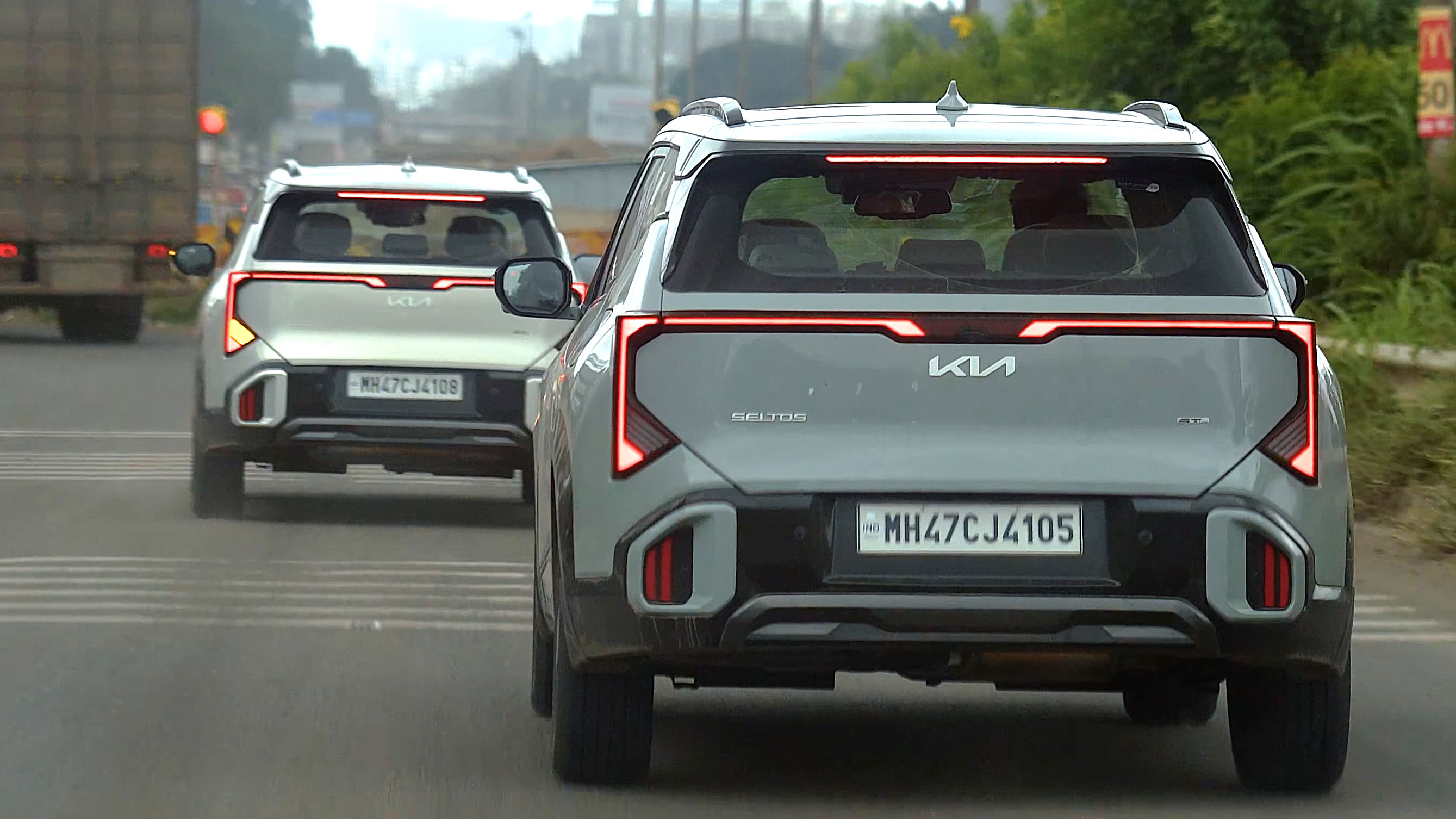
All three cars were driven together, adhering to the speed limits, and driven in a way that any other normal person would. So no hard acceleration, no hard braking (unless required), and no sticking to a higher gear. The AC was set to 23 degrees and air ventilation was turned on.
| Important Disclaimer: A point to note here is that the diesel manual was a support car for the day, tracking the two other cars for the video. As a result, the fuel efficiency might vary as the driver had to accommodate his throttle responses as per the requirement of the cameraman. |
Now, before we come to the final result, let's check out the individual stats after every 50 km.
Stat Check
After 50 km of expressway driving (Average speed between 80 kmph and 100 kmph)
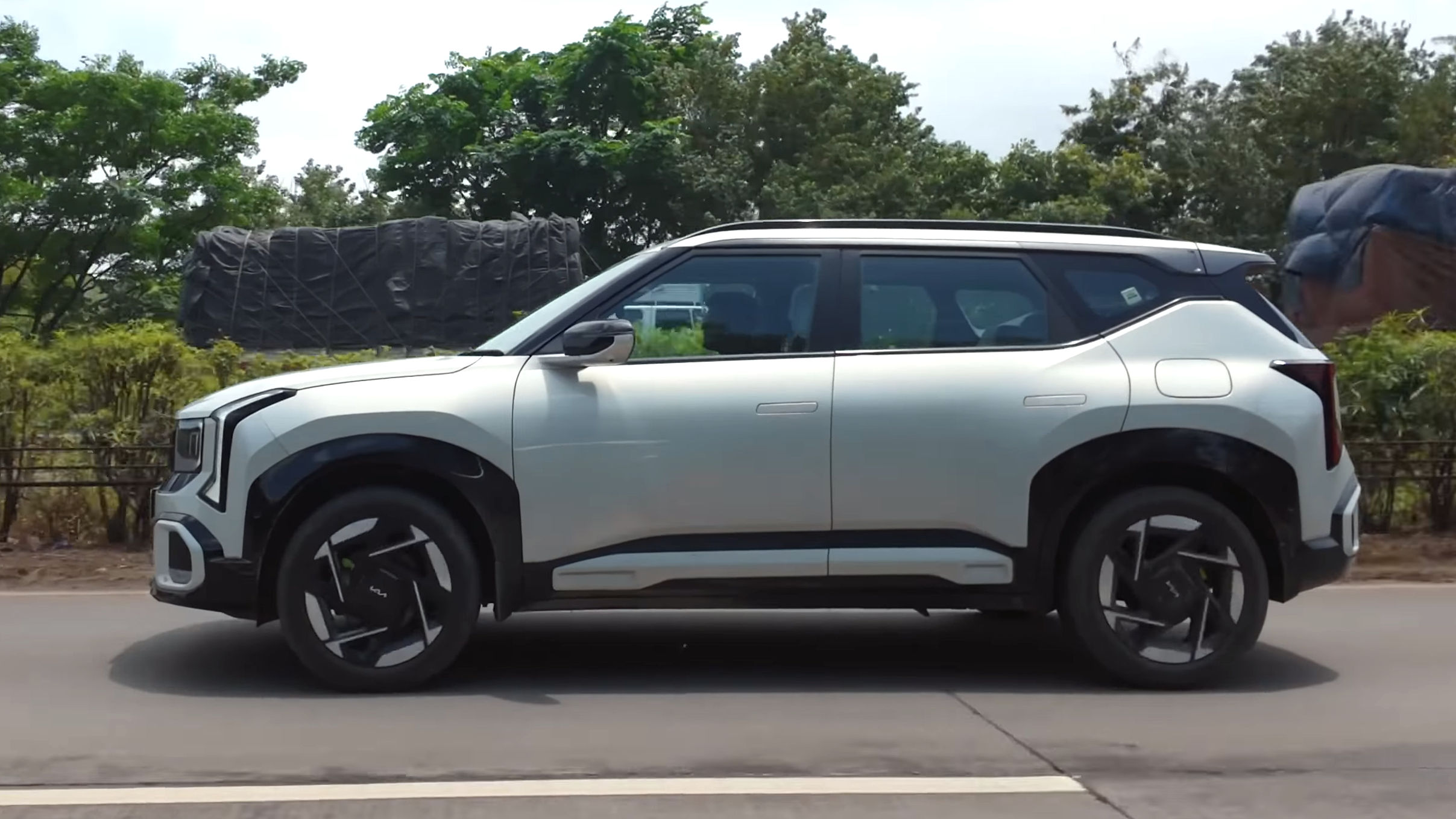
The highway drive was pretty effortless with almost zero traffic, and both the cars were set on cruise control. Here is their fuel efficiency:
| Indicated fuel efficiency figures (after 50km of expressway driving) |
|
| Turbo-petrol DCT |
15.4 kmpl |
| Diesel AT |
16.2 kmpl |
After 50 km of highway driving (Average speed between 50 kmph and 80 kmph)
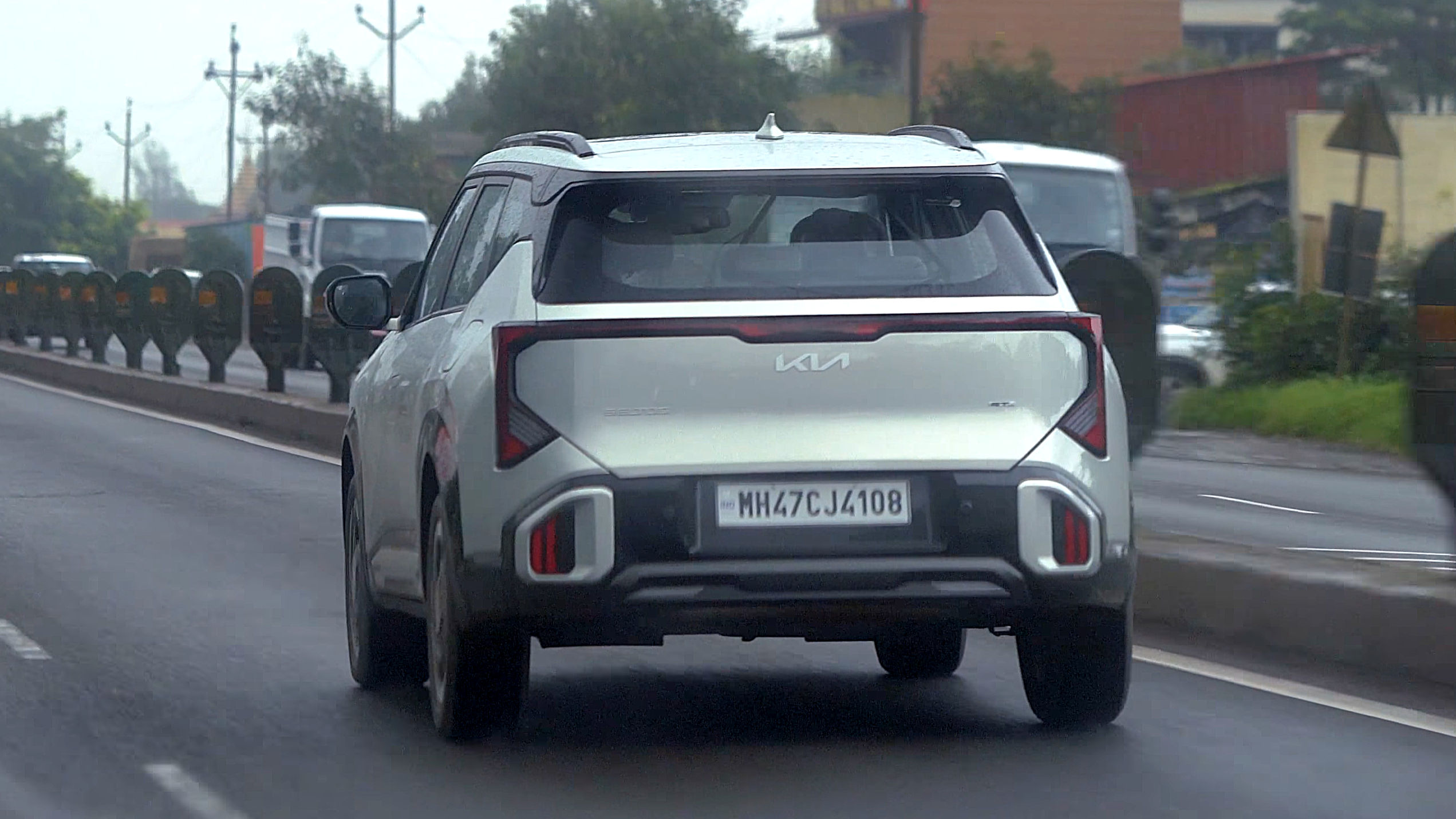
Even the old highway was emptier than expected, and here are the full fuel efficiency figures combining the distance of the expressway drive (first 50km) as well.
| Indicated fuel efficiency figures (after 50 km of expressway plus 50 km of highway driving) |
|
| Turbo-petrol DCT |
15.9 kmpl |
| Diesel AT |
16.6 kmpl |
After 50 km of city driving (Average speed 0 kmph and 40 kmph)
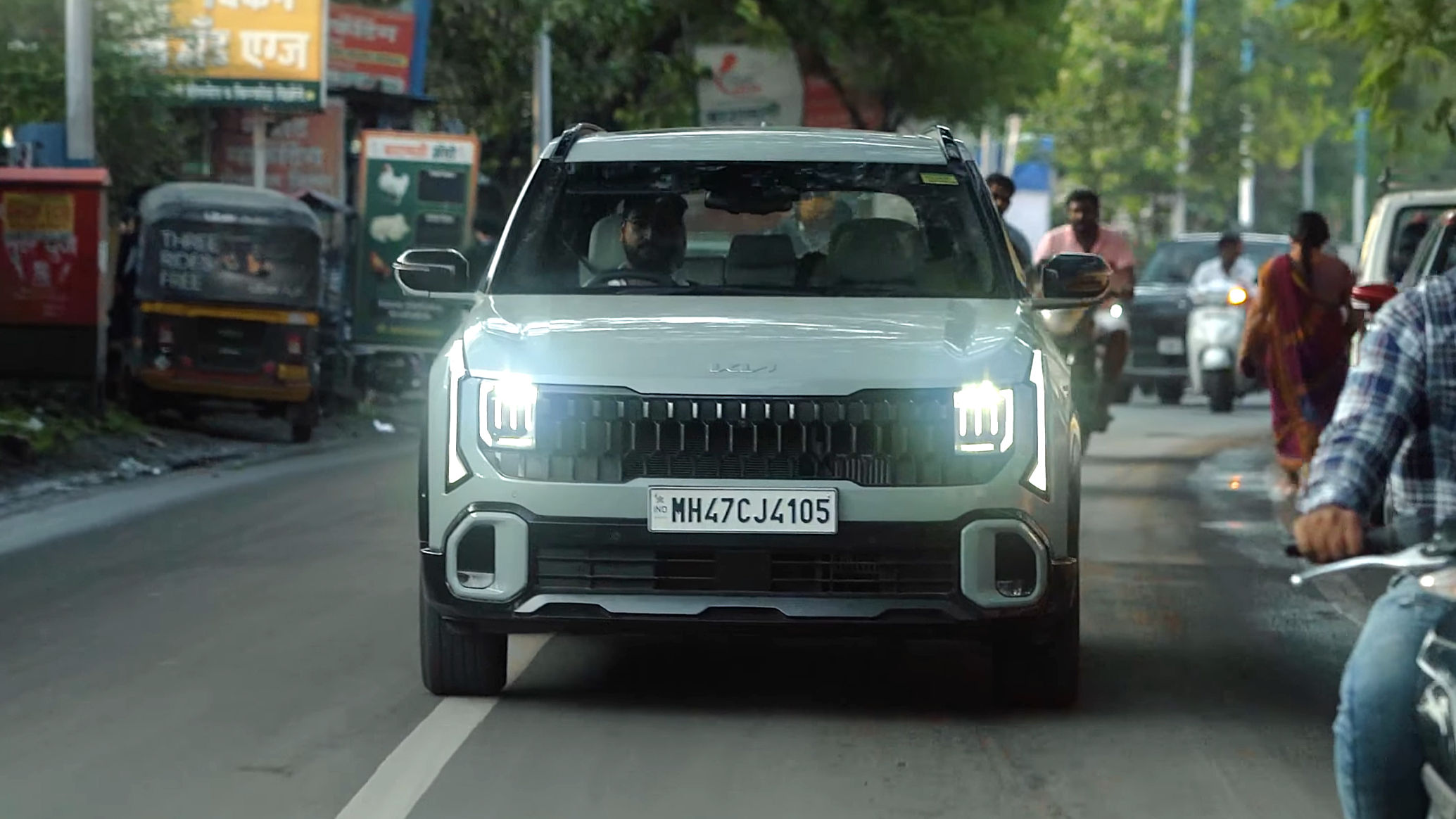
Pune city traffic wasn't as harsh as expected, and here are the fuel efficiency figures for the 50 km of city driving.
| Indicated fuel efficiency figures (after 50 km of city driving) |
|
| Turbo-petrol DCT |
10.3 kmpl |
| Diesel AT |
10.1 kmpl |
| Indicated fuel efficiency figures (after 50 km of expressway plus 50 km of highway driving plus 50 km of city driving) |
|
| Turbo-petrol DCT |
13.2 kmpl |
| Diesel AT |
13.4 kmpl |
| Diesel MT |
14.3 kmpl |
Final Math
| RESULTS |
Petrol AT |
Diesel AT |
Diesel MT |
|---|---|---|---|
| Distance driven |
150.3 km |
150.9 km |
157 km |
| Fuel refill cost |
Rs 1271.87 |
Rs 969.52 |
Rs 1174.62 |
| Fuel consumed |
11.41 litre |
9.88 litre |
11.97 litre |
| Real-world tested fuel efficiency* |
13.17 kmpl |
15.27 kmpl |
13.11 kmpl |
| Running cost |
Rs 8.46/km |
Rs 6.42/km |
Rs 7.48/km |
*Real-world Tested Fuel Efficiency = Distance Driven/Fuel consumed
After refuelling the cars once again, we found out that the indicated fuel efficiency in the diesel automatic was a little conservative compared to its actual real-world tested fuel efficiency, with a delta of almost 2 kmpl.
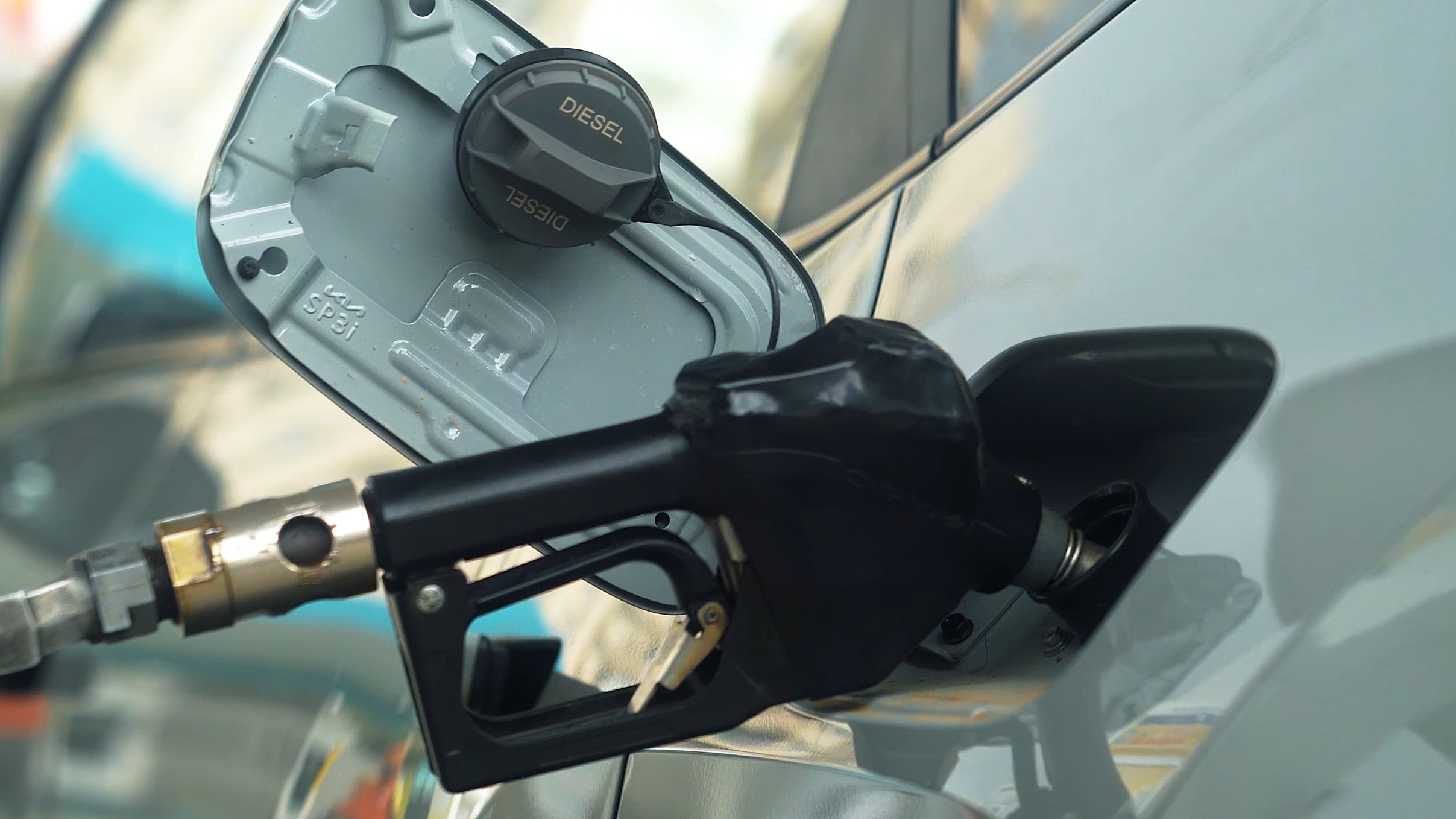
The diesel manual had the least real-world fuel efficiency, given how the car was driven slightly more aggressively to support the video. We reckon that if driven like the other two cars, it would probably have been the most efficient here. The real-world fuel efficiency of the petrol automatic was pretty accurate compared to its indicated fuel efficiency, and it has the highest running cost amongst all the powertrains here, which is not a surprise.
CarDekho Says…
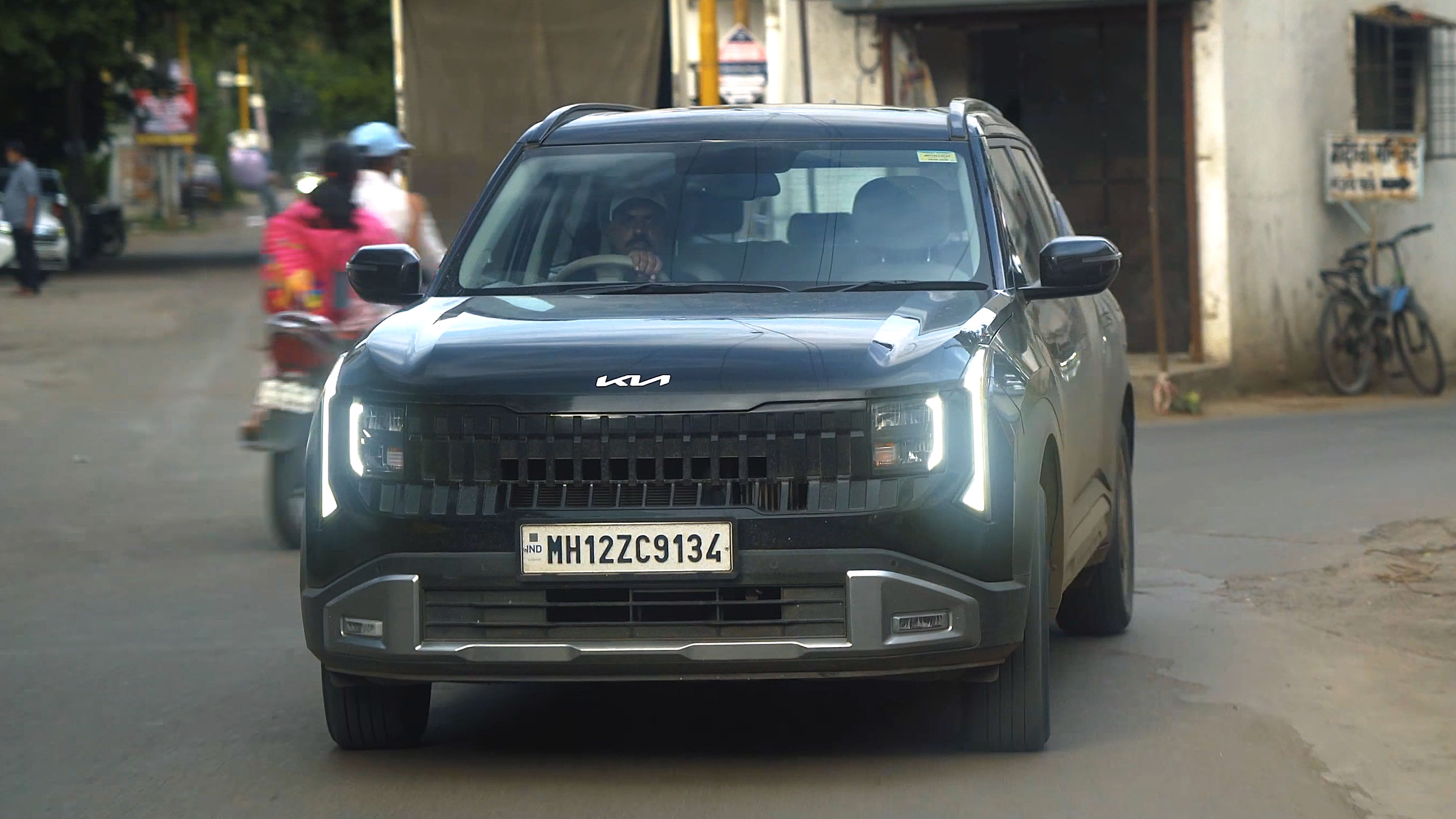
There was never really a doubt that the final running cost of a diesel engine will be lower than that of a petrol engine, but the fuel efficiency delta here isn't as big as it used to be before. In fact, even in terms of the ex-showroom cost, the diesel variants of the Seltos carry a premium of around Rs 30,000 to Rs 80,000 over the petrol variants, which would translate to very minute differences in EMI. Historically, we have seen that diesel engines are usually anywhere between Rs 1 lakh and Rs 1.5 lakh more expensive than petrol engines.
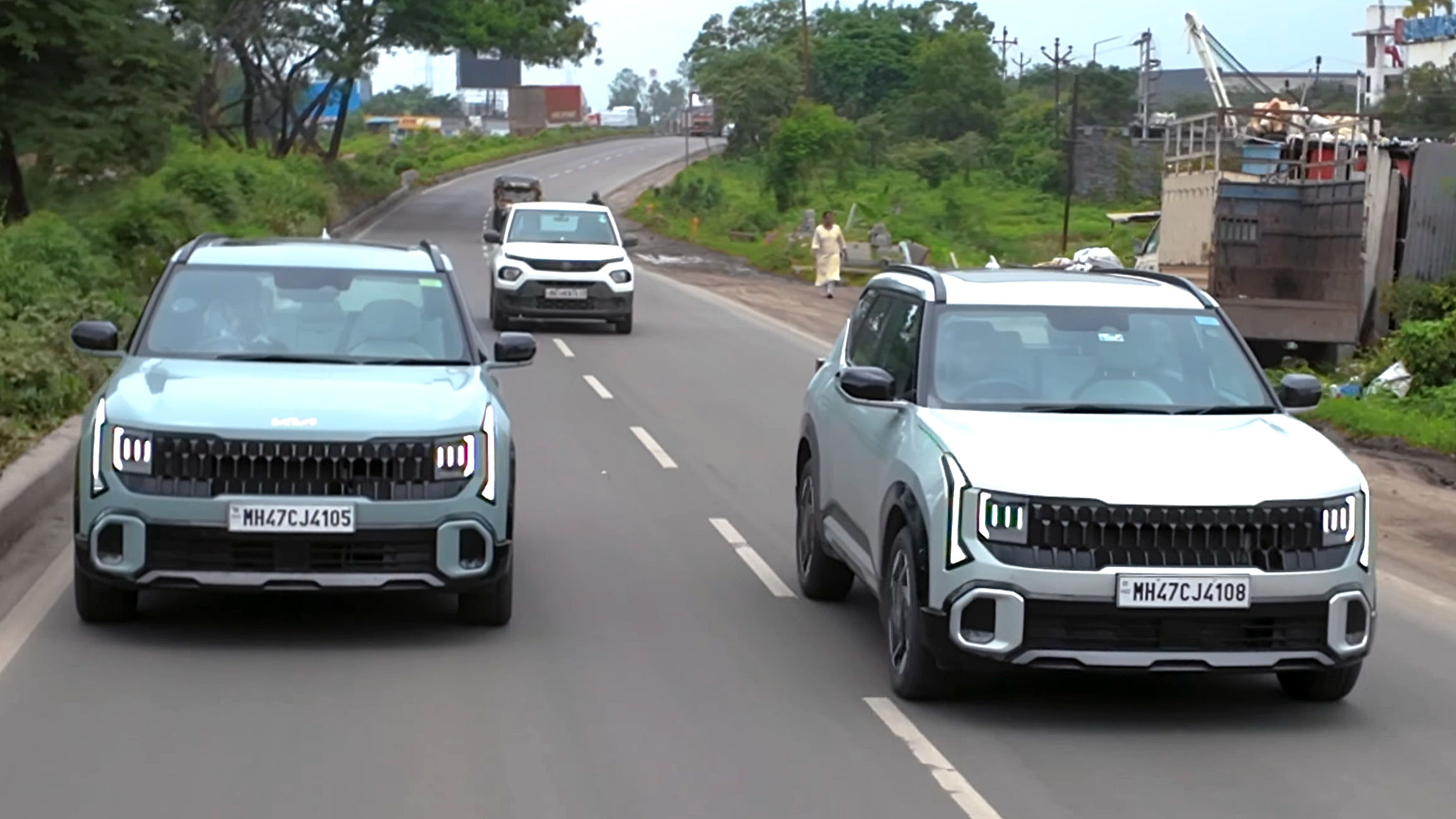
So who should buy the diesel? If you have high daily running, where you travel intercity and spend a lot of time on expressways and highways, that is where you will reap the benefits of a diesel engine. In that case, you will get better fuel efficiency, more tank range, and ultimately lower running costs.
If your usage is mostly in the city, where you spend a lot of time in traffic, and you don't really do a lot of long-distance road trips or intercity runs that often, then a petrol engine will be a better fit for you. It’ll offer you a more refined experience, save you some money up front, and you won't have to worry about any DPF clogging that happens if diesels are driven for short durations in the city.
Overall, diesel engines might have lost that edge over petrol engines in terms of efficiency, but they still continue to be superior over long distances.