
Watch Video: Maruti Victoris Rear Seat Headroom Tested In Variants With And Without Sunroof
The roof lining in the Victoris’ variants equipped with panoramic sunroof sits slightly lower, but how much headroom is actually compromised? Find out here


- Write a comment
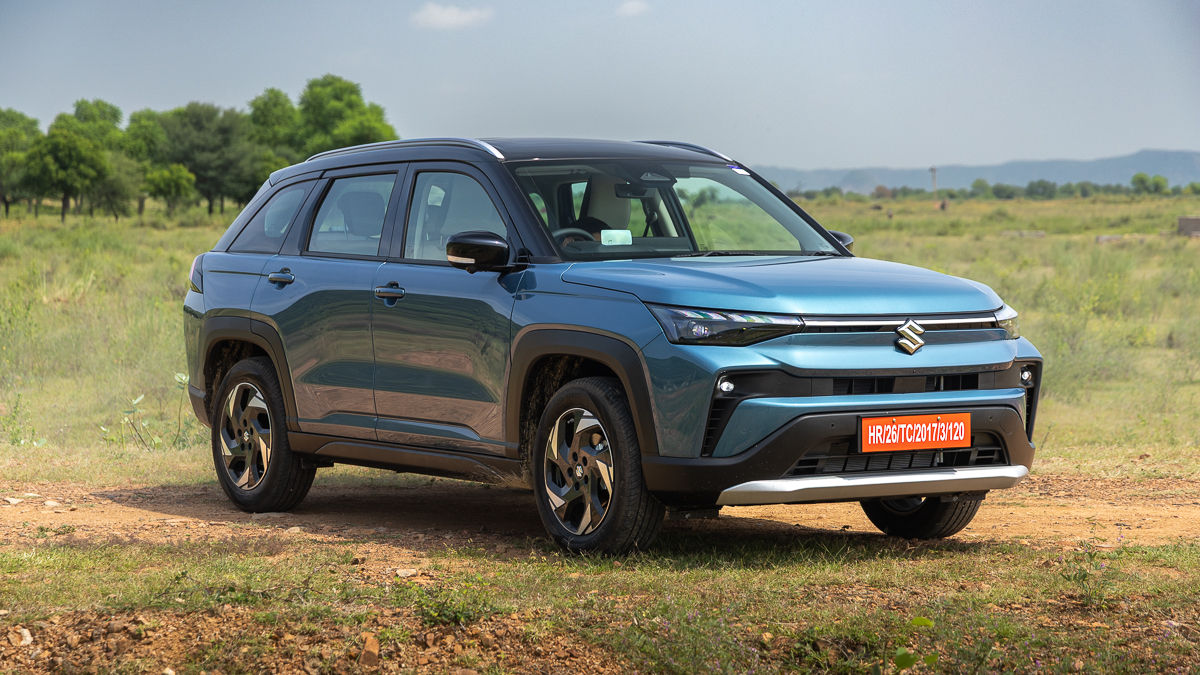
The Maruti Victoris has recently entered the compact SUV space in India, introducing several new features for the brand. Along with all the tech, it definitely gets the most sought-after features, a panoramic sunroof, available with the ZXi (O) and ZXi Plus (O) variants. We recently got an opportunity to experience the rear seats of two types of Victoris: with and without the panoramic sunroof. Watch our latest CarDekho Instagram reel to see how the space differs between the two variants:
A post shared by CarDekho India (@cardekhoindia)
As demonstrated in the video, a passenger with a height of 5’9’’ tested the space in both versions of the Victoris. In the non-sunroof variant, there was a small gap between the head and the roof. However, in the panoramic sunroof variant, that gap disappears as the roof lining sits slightly lower. This means the headroom in the Victoris equipped with a panoramic sunroof is compromised, compared to that in non-sunroof version. Even with variants without the panoramic sunroof, headroom would still be tight for anyone measuring six-feet and above.
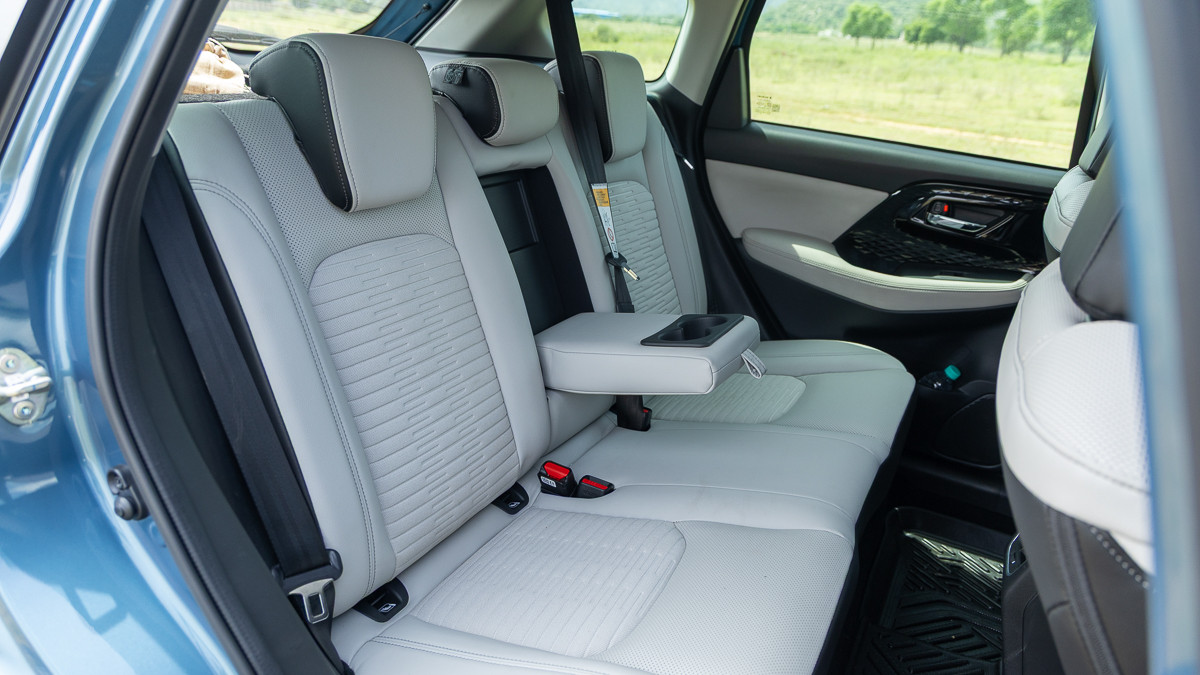
Apart from headroom, you get ample knee room and legroom, and the under thigh support also feels adequate for an average Indian adult. Rear AC vents and a centre armest add to the comfort levels.
Features On Offer
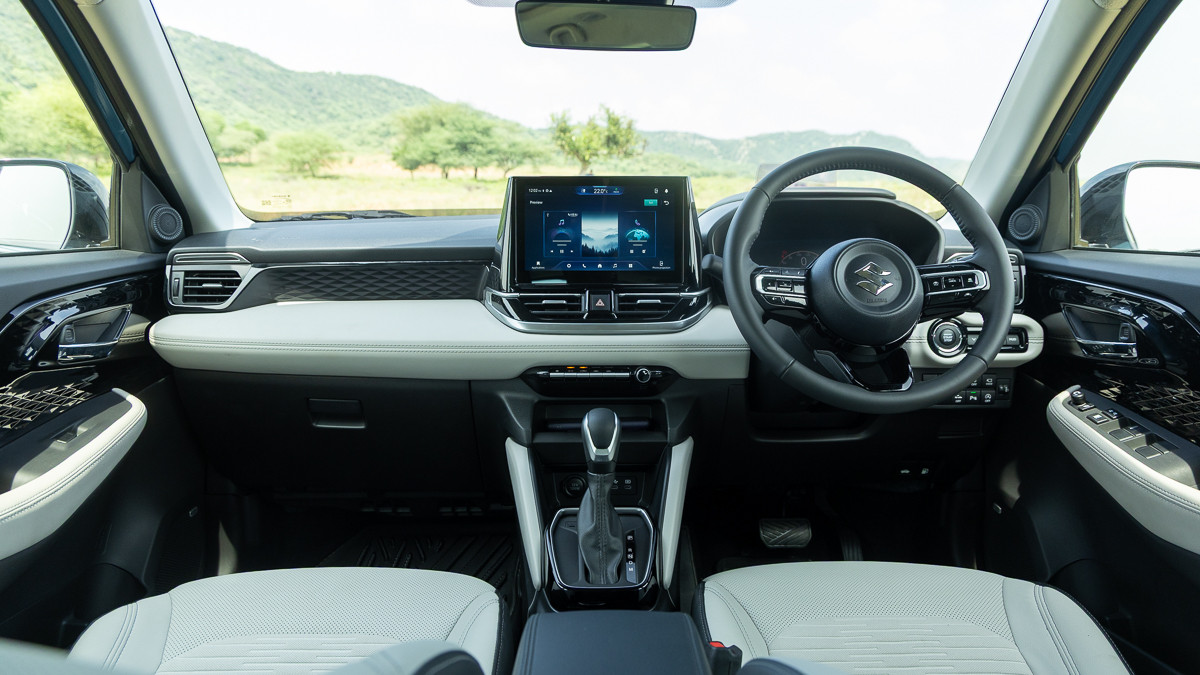
In terms of features, the Victoris is decked up with a 10.1-inch touchscreen, a 10.25-inch digital driver’s display, a head-up display (HUD), an 8-speaker Infinity sound system with Dolby Atmos support, a wireless phone charger and auto AC with rear vents. It also gets a panoramic sunroof, ventilated front seats, an 8-way powered driver’s seat, 64-colour ambient lighting and a powered tailgate.
Passenger safety is taken care of by 6 airbags (as standard), hill descent control, a 360-degree camera, all-wheel disc brakes, a tyre pressure monitoring system (TPMS), front and rear parking sensors and a Level-2 advanced driver assistance system (ADAS) suite (limited to petrol-AT variants). It’s worth noting that the Victoris has already achieved an impressive 5-star safety rating in both Bharat NCAP and Global NCAP crash tests.
Powertrain Options
Maruti offers the Victoris with three powertrain options: mild hybrid petrol, strong hybrid, and CNG. The detailed engine specifications are as follows:
| Engine |
1.5-litre mild hybrid petrol engine |
1.5-litre strong hybrid engine |
1.5-litre petrol+CNG option |
| Power |
103 PS |
116 PS (combined) |
88 PS |
| Torque |
139 Nm |
141 Nm |
121.5 Nm |
| Transmission |
5-speed MT, 6-speed AT |
e-CVT |
5-speed MT |
| Drivetrain |
Front-wheel-drive, All-wheel-drive (AT Only) |
Front-wheel-drive |
Front-wheel-drive |
| Claimed Fuel Efficiency |
21.18 kmpl (MT), 21.06 kmpl (AT), 19.07 kmpl (AWD AT) |
28.65 kmpl |
27.02 km/kg |
AT - Torque converter automatic transmission
CVT - Continuously variable automatic transmission
Price And Competition
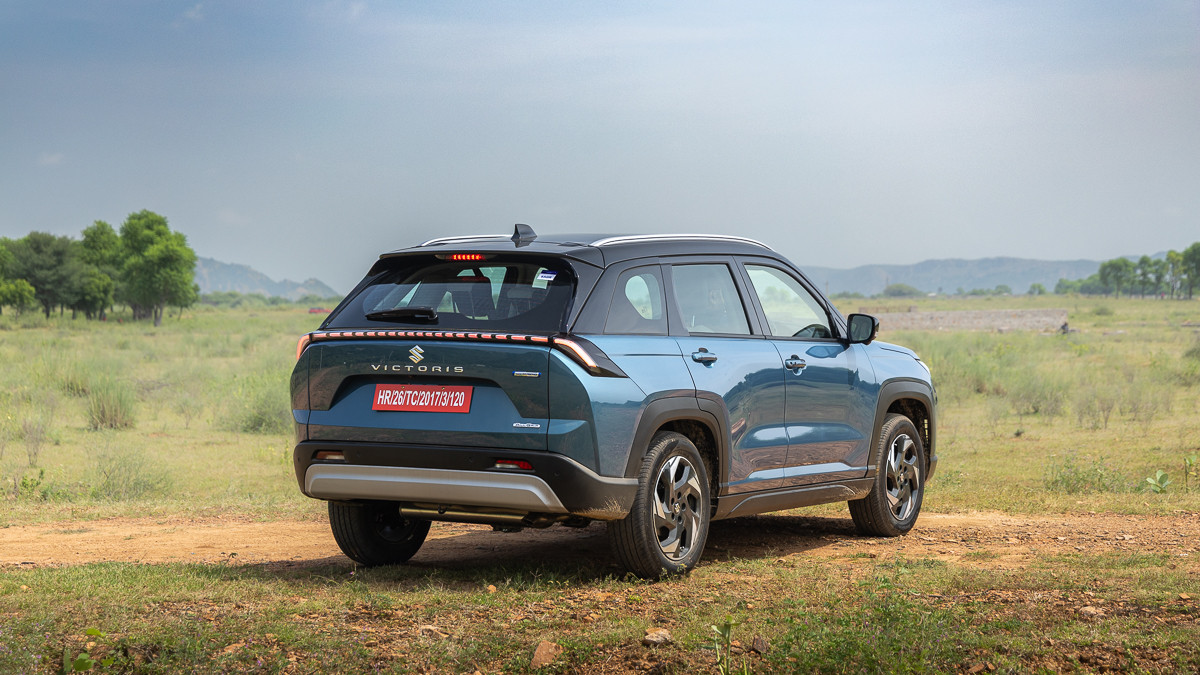
The Maruti Victoris is priced from Rs 10.50 lakh and Rs 19.99 lakh (ex-showroom pan-India, introductory). It takes on the likes of the Maruti Grand Vitara, Hyundai Creta, Kia Seltos, Toyota Hyryder, Volkswagen Taigun, Skoda Kushaq, and Honda Elevate.
1 out of 1 found this helpful