
2026 Hyundai Bayon Fuel Economy Figures Revealed, Check Out Which Gearbox Option Offers Better Mileage?
The Hyundai Bayon promises better fuel efficiency with its CVT gearbox, but how much of a difference does it make over the manual transmission choice?


- Write a comment
| We are helping 50 of our lucky readers with a personalised car buying journey. You will be able to directly speak to an automotive expert and get all your doubts answered. Fill this form and if you are one of those lucky customers, we’ll get in touch with you soon. |
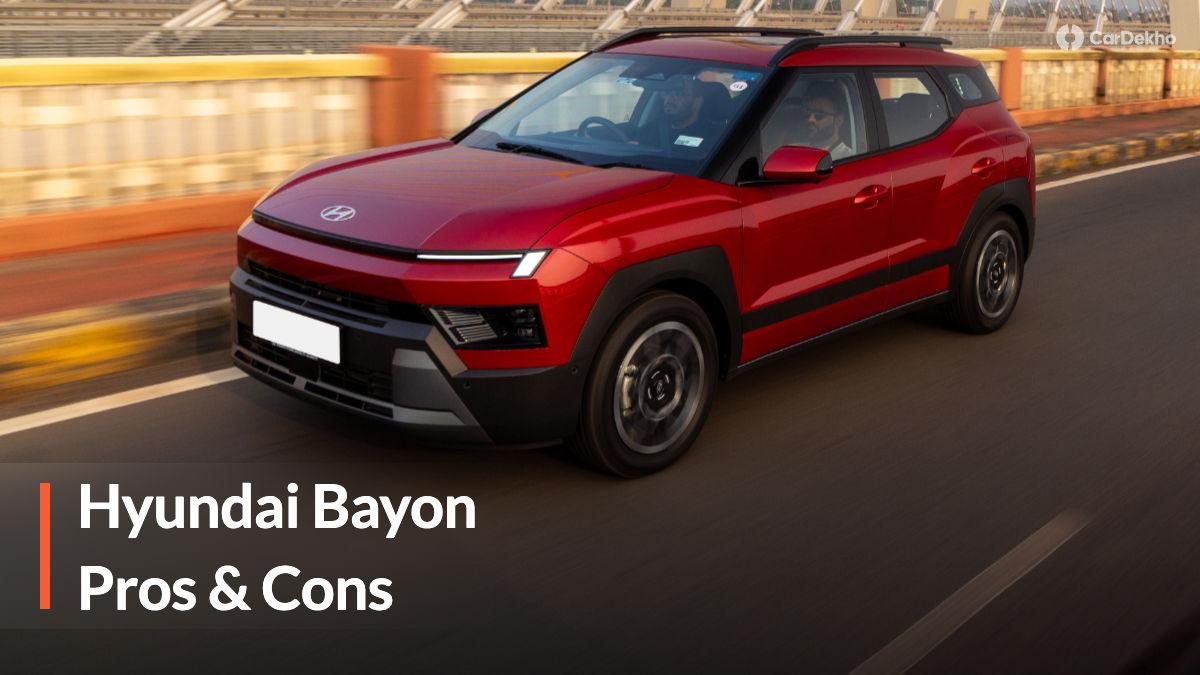
Hyundai has launched the Bayon in India at a starting price of Rs 10 lakh (ex-showroom), positioning it between the Venue and Creta. Unlike the more conventional styling of its siblings, the Bayon takes a bolder approach.
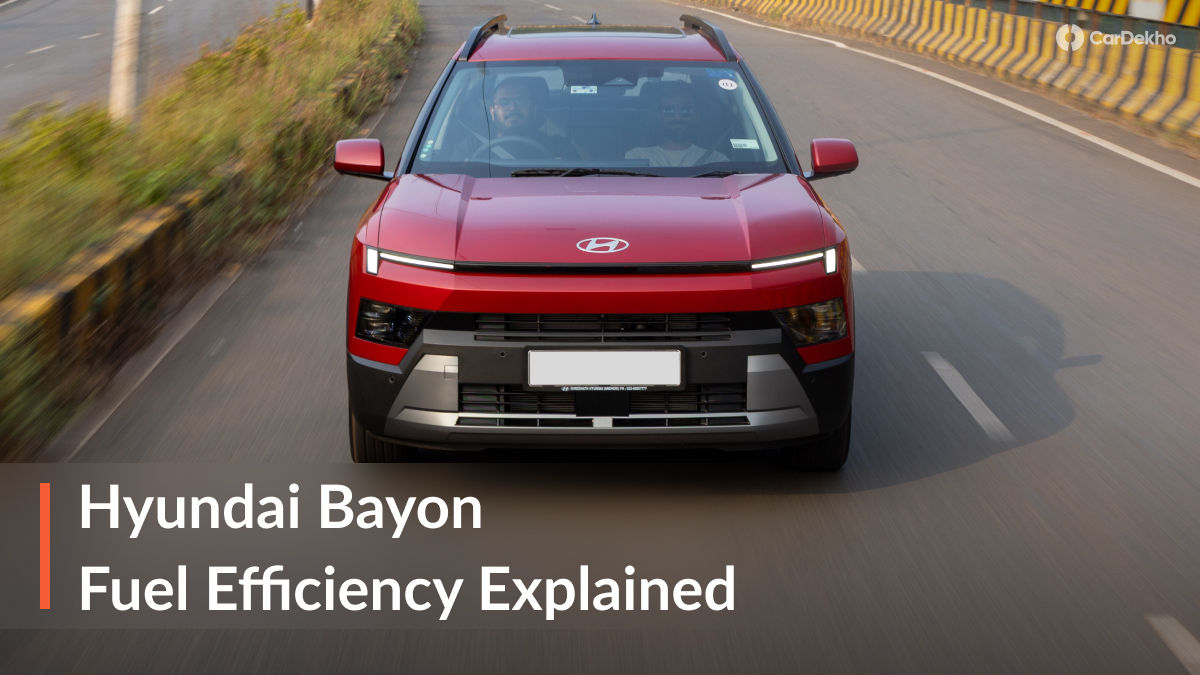
Additionally, it gets a familiar 1.5-litre naturally aspirated petrol engine, which is the only powertrain option available with the SUV. With claimed fuel efficiency figures differing between the manual and CVT versions, here's a closer look at how economical the new Hyundai Bayon is.
Claimed Fuel Efficiency
Interestingly, the automatic transmission options of the Hyundai Bayon deliver better fuel efficiency than the manual gearbox choice. Here are the detailed mileage figures:
| Engine |
Transmission |
Fuel Efficiency |
| 1.5-litre naturally aspirated petrol |
Manual |
17.2 kmpl |
| CVT |
18.6 kmpl |
- The CVT automatic transmission delivers a claimed fuel efficiency of 18.6 kmpl, which is 1.4 kmpl higher than the manual transmission option.
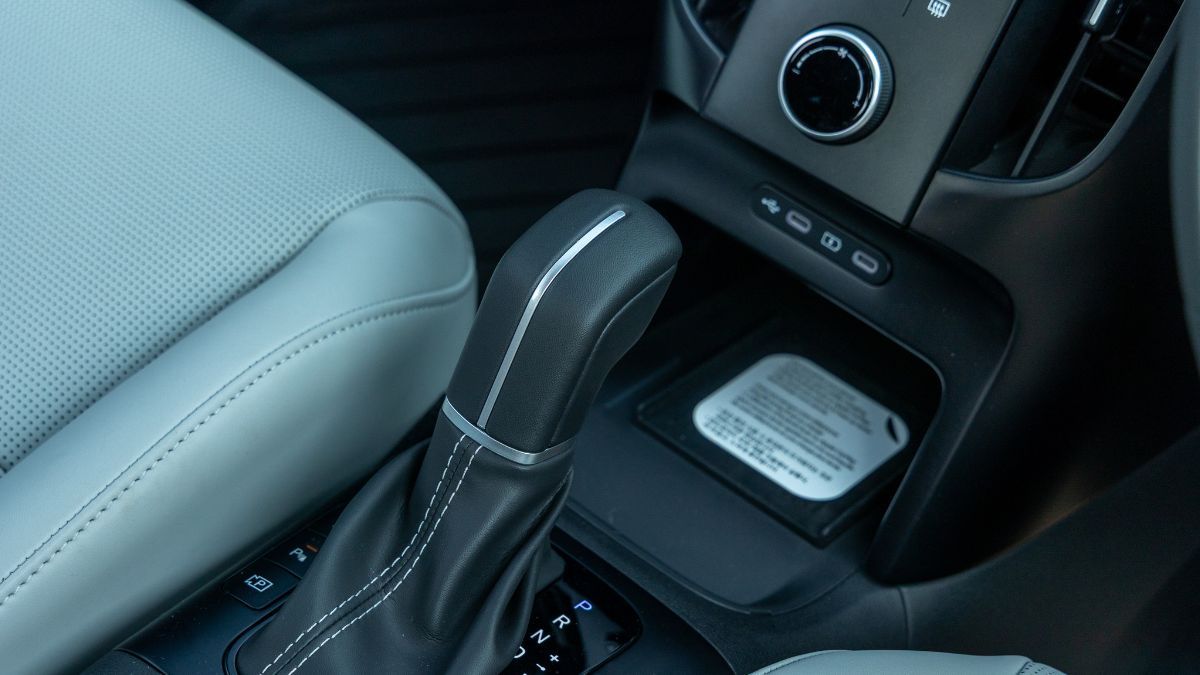
- The 6-speed manual gearbox returns a claimed fuel efficiency of 17.2 kmpl.
-
Both transmission options are paired with the same 1.5-litre naturally aspirated petrol engine.
| Please Note: These are claimed fuel efficiency figures from Hyundai. Actual fuel efficiency figures will differ, based on various factors like driving style, condition, temperature, etc. |
Powertrain Specifications
The Hyundai Bayon is powered by a 1.5-litre naturally aspirated petrol engine, which is also offered in the Creta and Verna. The detailed powertrain specifications are listed below.
| Engine |
1.5-litre naturally aspirated petrol |
| Power |
115 PS |
| Torque |
144 Nm |
| Transmission |
6-speed MT/CVT |
| Drivetrain |
FWD |
FWD- Front-wheel drive
Take a look at the variant-wise gearbox options available with the Hyundai Bayon.
Overview
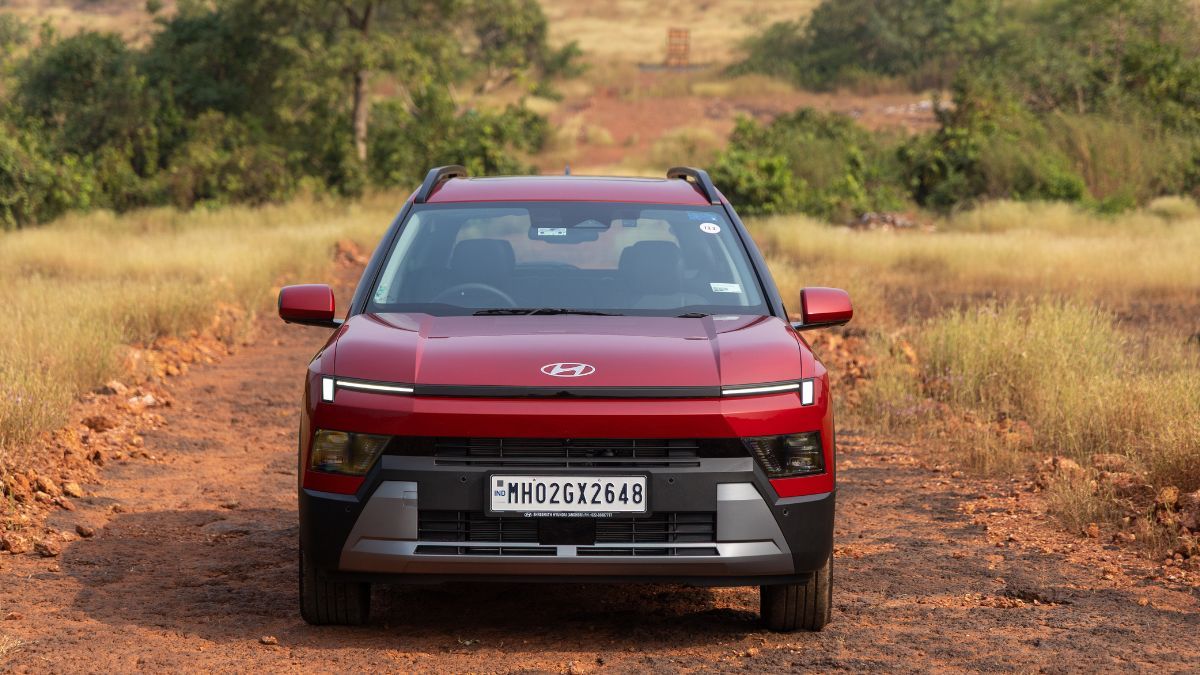 The Hyundai Bayon gets a quirky crossover-inspired design, with a minimalist front fascia featuring inverted L-shaped LED DRLs connected by a slim black strip. The LED headlamps are positioned lower on the bumper, while the silver skid plate adds a slightly rugged touch. In profile, it gets 17-inch alloy wheels, thick body cladding and roof rails. The rear features inverted L-shaped LED tail lamps and a silver bumper applique.
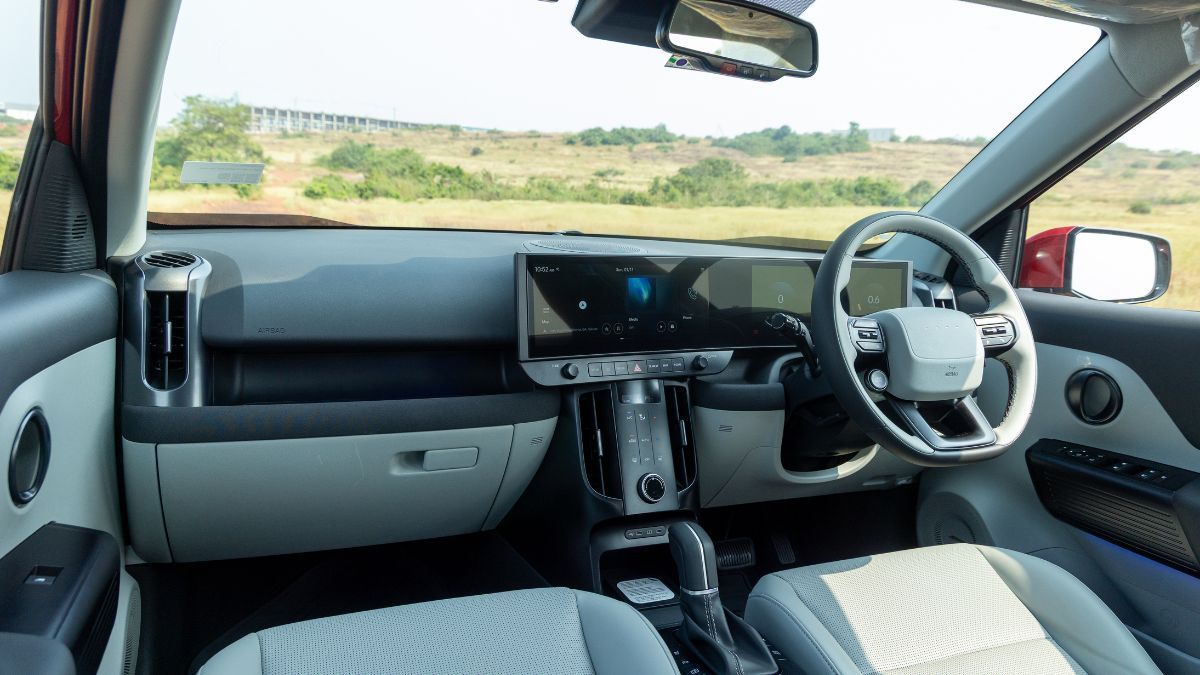
Inside, the Bayon gets a dashboard layout inspired by the global-spec i20. It features a dual-screen setup with a 12.3-inch touchscreen infotainment system and a 12.3-inch digital driver's display. Other notable features include a panoramic sunroof, ventilated front seats, an 8-way power-adjustable driver's seat, automatic climate control, ambient lighting, wireless phone charging and an 8-speaker Bose sound system.
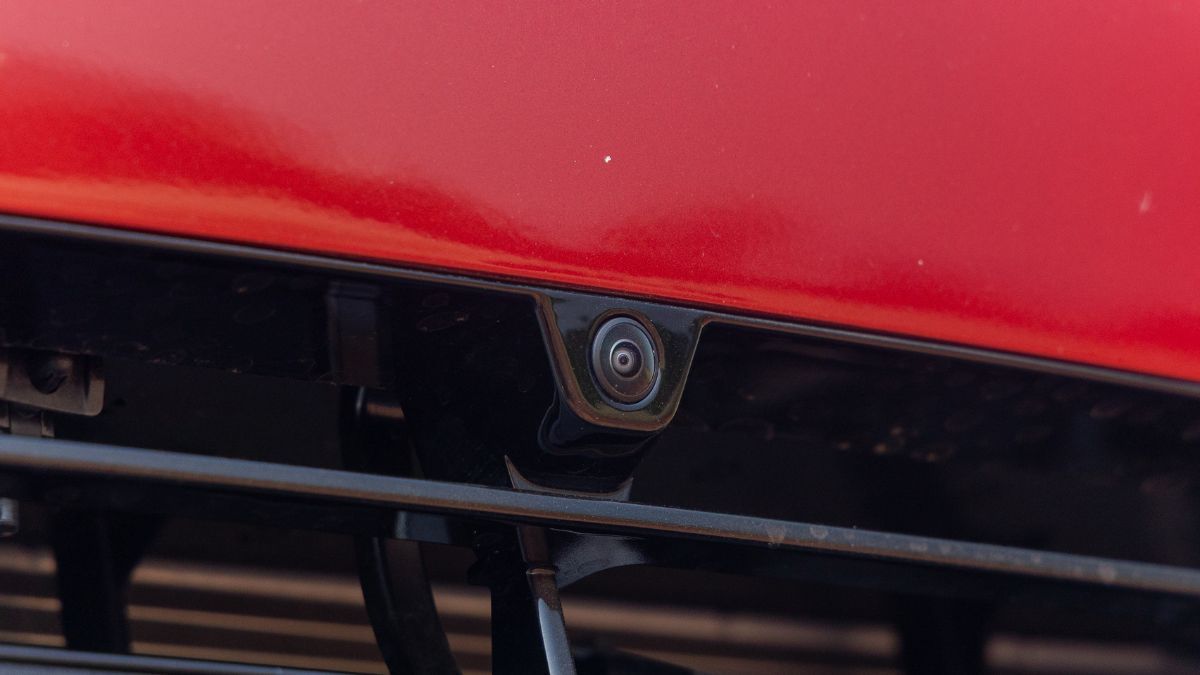
On the safety front, the Bayon gets six airbags, a 360-degree camera, Level-2 ADAS, electronic stability control (ESC), tyre pressure monitoring system (TPMS), hill hold assist and front, side and rear parking sensors.
Price and Rivals
The 2026 Hyundai Bayon is priced between Rs 10 lakh and Rs 18 lakh (ex-showroom) in India. It is offered in seven variants: HX2, HX3, HX3 Plus, HX5, HX6, HX8 and HX10.
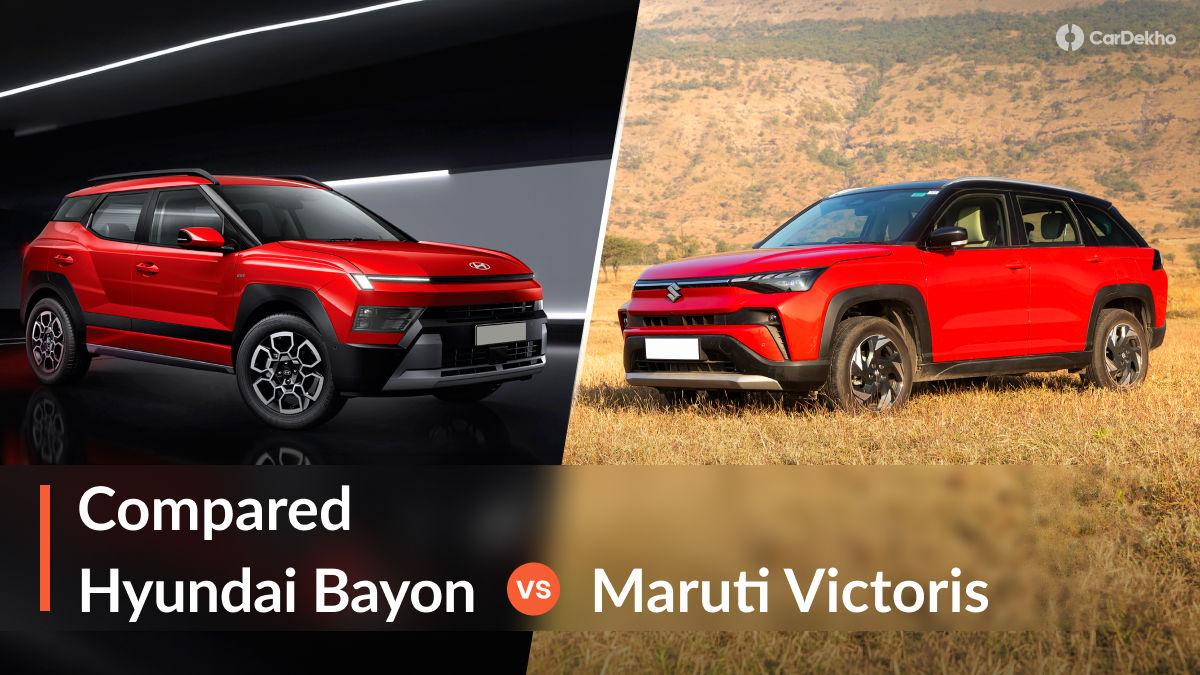
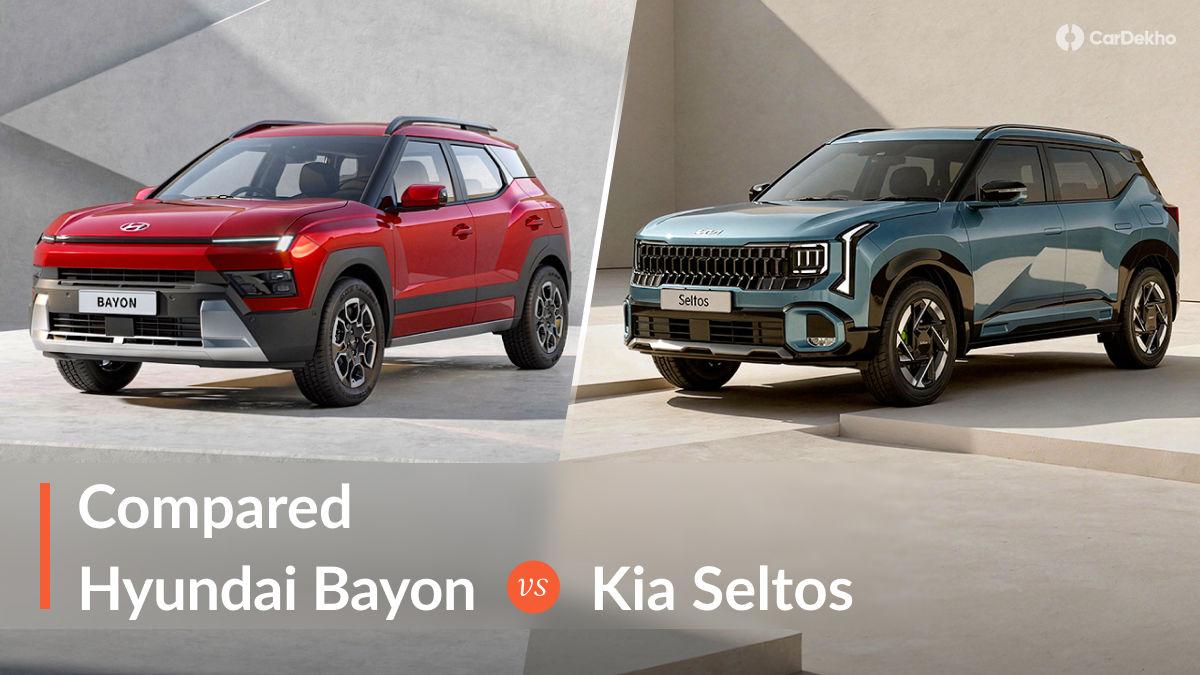
The Bayon rivals the likes of the Hyundai Creta, Kia Seltos, Maruti Grand Vitara, Toyota Urban Cruiser Hyryder, Maruti Victoris, Renault Duster, Honda Elevate, Tata Sierra, Skoda Kushaq and Volkswagen Taigun.
CarDekho Says…
The Hyundai Bayon’s claimed fuel efficiency figures reveal an interesting difference between its two gearbox options. While the 6-speed manual returns 17.2 kmpl, the CVT automatic delivers a higher claimed mileage of 18.6 kmpl. That’s a 1.4 kmpl advantage for the automatic, despite both versions using the same 1.5-litre naturally aspirated petrol engine.
While mileage is an important consideration, the Bayon’s appeal will also depend on how well its engine performs in everyday driving and whether the CVT justifies its premium over the manual. With a single petrol engine option and two gearbox choices, buyers have a fairly straightforward decision to make. The CVT makes a stronger case on paper for fuel efficiency, while the manual could appeal to those who prefer a more involved driving experience.
Which one would you prefer? Let us know in the comments!