
Why Are So Many Indians Switching To EVs? Here's What Makes Them Worth Considering
It's not just about saving the environment anymore; it's also starting to make financial sense now


- Write a comment
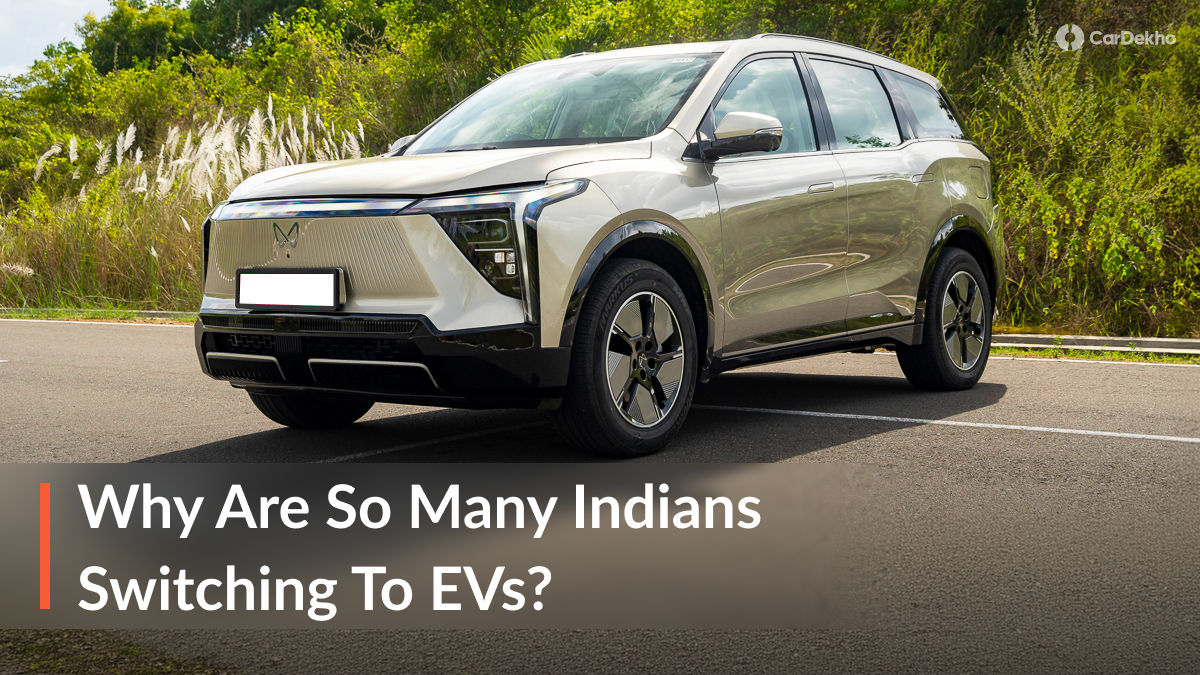
A few years ago, buying an EV in India felt like a leap of faith or an indulgence of the wealthy. Today, it's increasingly looking like common sense. EVs are being considered not only as secondary cars but also as primary vehicles. Owning an EV is not a niche anymore, but a genuine shift in how India buys cars.
In the EV space, Mahindra is one such brand that’s taking the lead in the mass market domain, offering EVs that are actually desirable as well as practical. So what's actually driving EVs, and should you buy one? Here’s a closer look:
The Running Cost Math Is Hard To Ignore
This is where EVs are winning without a doubt. Charging at home typically works out to a fraction of what you'd spend on petrol for the same distance, and that gap compounds fast if you're doing a daily commute. For context, a mid-size electric SUV running on a 59-79 kWh battery can cost well under Rs 1.5 per km to run on home charging, against Rs 6-8 per km for an equivalent petrol SUV. Over a few years and thousands of kilometres, that difference alone can pay for a meaningful chunk of the car. During longer trips, we know that public charging and faster charging are expensive, but it is still not as expensive as refuelling your ICE-powered car.

Charging Convenience Has Genuinely Improved, But It's Not Perfect Yet
This is the part that deserves an honest answer, as it is the most talked-about aspect when considering an electric vehicle. India's public charging network has expanded nearly six-fold in three years, from around 5,000 stations in 2022 to over 28,000 by early 2026. Karnataka, Maharashtra, Delhi and Tamil Nadu lead the charge, and highway corridors like the Mumbai-Pune Expressway now have dozens of operational fast chargers. That said, the charger-to-EV ratio still sits at roughly 1:235, well behind global benchmarks of 1:6 to 1:20, and a meaningful share of listed chargers aren't actually functional at any given time.
While public fast charging acts as a useful top-up for highway runs, the backbone remains home charging. Even though public charging is improving month by month, it's fair to say charging infrastructure still lags slightly behind vehicle adoption. Should it stop you from buying an EV? Absolutely not. Tip: look for EVs that support ultrafast charging.
Maintenance: Where EVs Quietly Save You The Most
Fewer moving parts mean fewer things to service. With no engine oil needed or complicated parts like timing belts and exhaust systems, your annual service becomes a lot cheaper. Regenerative braking means brake pads last considerably longer, too. Most EV owners report meaningfully lower annual service costs compared to an equivalent petrol or diesel SUV. The trade-offs are real, though, and worth knowing upfront: EV insurance premiums run higher, since insurers price in the higher vehicle value and battery replacement risk. Tyres also wear faster under the extra weight of the battery pack, typically needing replacement every 35,000-40,000 km versus 45,000-50,000 km on a petrol car. None of this erases the maintenance advantage, but it's part of the full ownership picture.
The Obvious Benefit
EVs produce zero tailpipe emissions, which is one of their biggest advantages in cities struggling with poor air quality. Since they don't burn petrol or diesel, they don't emit pollutants. While EVs aren't completely emissions-free because electricity generation and vehicle manufacturing still have a carbon footprint, they significantly reduce pollution where people live and breathe.
Beyond emissions and running costs, EVs also contribute to lower noise pollution. Electric motors operate almost silently at city speeds, making urban environments quieter and more pleasant.
Future-Readiness Is The Underrated Factor
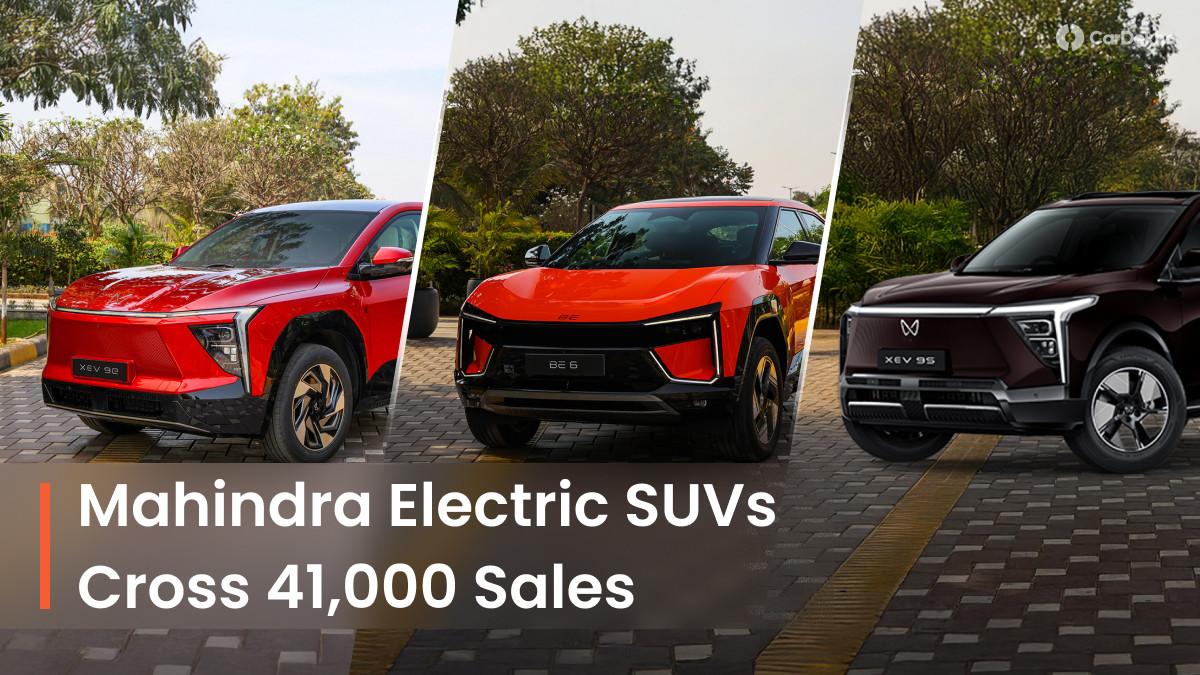
Most automakers nowadays offer genuinely reassuring and really generous battery warranties. Mahindra offers a lifetime battery warranty for the first registered private owner on models like the BE 6 and XEV 9e. Buying an EV today isn't a bet on unproven technology anymore, but rather buying into an ecosystem that's actively being built out around you. Plus, regular Firmware Over the Air updates mean your vehicle evolves with time.
Where A Slightly Higher Budget Unlocks Real Value
Here's the thing most first-time EV buyers don't realise until they've done their research: a lot of the compromises people associate with EVs- cramped cabins, modest range, a car that feels like an afterthought- aren't inherent to electric vehicles at all. They're dependent on the budget. Stretch your spend from the Rs 15-18 lakh bracket to Rs 20-25 lakh and above, and the picture changes dramatically, especially with Mahindra's Born Electric lineup. The BE 6 and XEV 9e bring genuinely long real-world range, up to over 650 km claimed on the bigger 79 kWh pack, fast DC charging that takes you from 20-80 percent in around 20 minutes, and cabin tech that wouldn't feel out of place in a much pricier vehicle. If space is the priority, the XEV 9S goes further still, offering a proper 7-seat layout with real second and third-row usability, something almost nothing else in this budget attempts. For buyers who've been on the fence about EVs because the affordable options felt like a downgrade, this is the segment that changes the conversation entirely: you're not settling for an EV anymore, you're upgrading into one.
Being in the market for over a year now, these Mahindra EVs have proven their mettle, and there have been many positive ownership experiences. These factors provide reassurance about purchasing these EVs.
CarDekho Says
The case for switching to an EV in India has never been stronger. Lower running costs and maintenance, and a constantly improving charging network, all give us ample reasons to consider the switch. But the real unlock for most buyers is budget. Stretch a little into the Rs 20-25 lakh bracket, and Mahindra's BE 6, XEV 9e and XEV 9S show just how much space, range and tech genuinely become available. It's less about whether to go electric and more about buying the right EV for the ownership experience you actually want.