
GST Rate Cut For Cars: Cess Removed, All Cars To Get Cheaper
Let’s put the confusion to rest, there are no cars that get expensive post GST 2.0


- Write a comment
With GST 2.0, the Indian automotive industry seems to be breathing a sigh of relief. The GST council has reduced tax rates across categories making your dream car that much more affordable.
No More Cess!
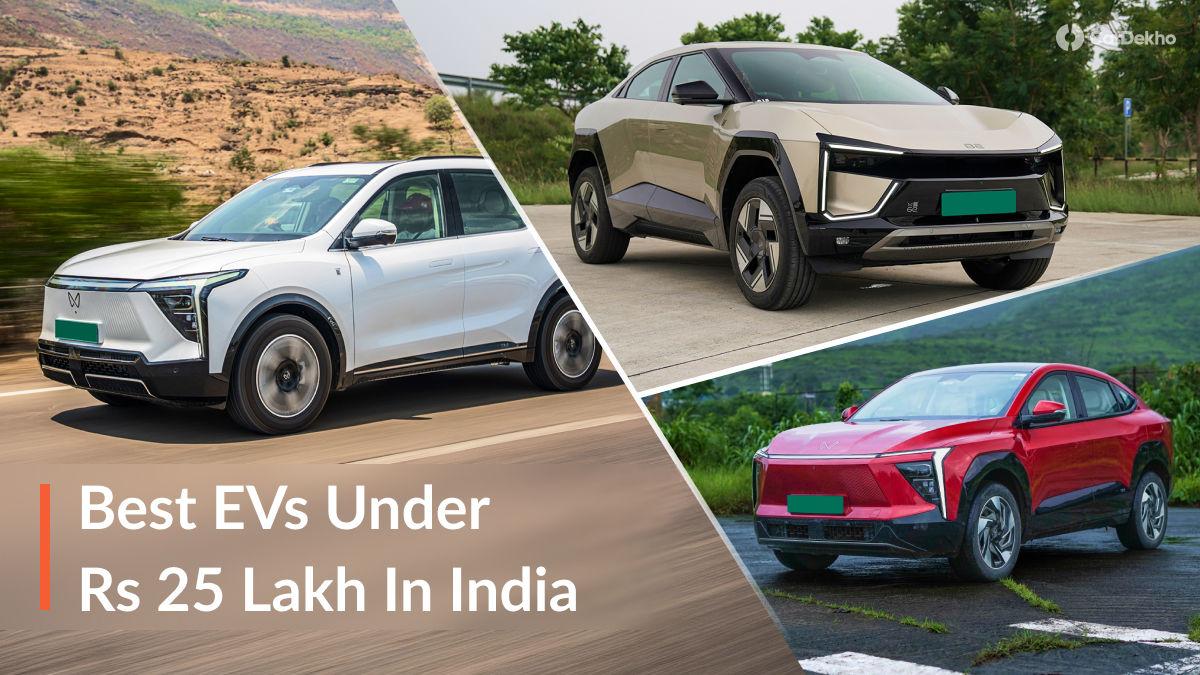
One of the highlights of the GST reforms is the abolishment of cess. Previously, a compensation cess ranging between 1% to 22% was levied on cars based on their category or drivetrain. This caused the effective tax to range between 29-50%.
However, the removal of cess has lowered the total tax considerably. To understand this better, let’s compare the older and newer tax structures with examples.
Small Cars (Petrol)

| Passenger Vehicles (Petrol, CNG, LPG) Up to 4m in length and up to 1200cc engine |
|||
| GST |
Compensation Cess |
Total Tax |
|
| Old |
28% |
1% |
29% |
| New |
18% |
0 |
18% |
| Savings |
10% |
11% |
|
Vehicles that fall under this category include all small hatchbacks and most sub-compact SUVs. Vehicles such as the Maruti Suzuki Alto, Renault Kwid, Maruti Suzuki Baleno, and Hyundai i20 will benefit from the lowered rates.
Similarly, sub-4-metre SUVs with petrol engines smaller than 1200cc, such as the Hyundai Venue, Kia Sonet, Kia Syros, Tata Nexon, Tata Punch will benefit.
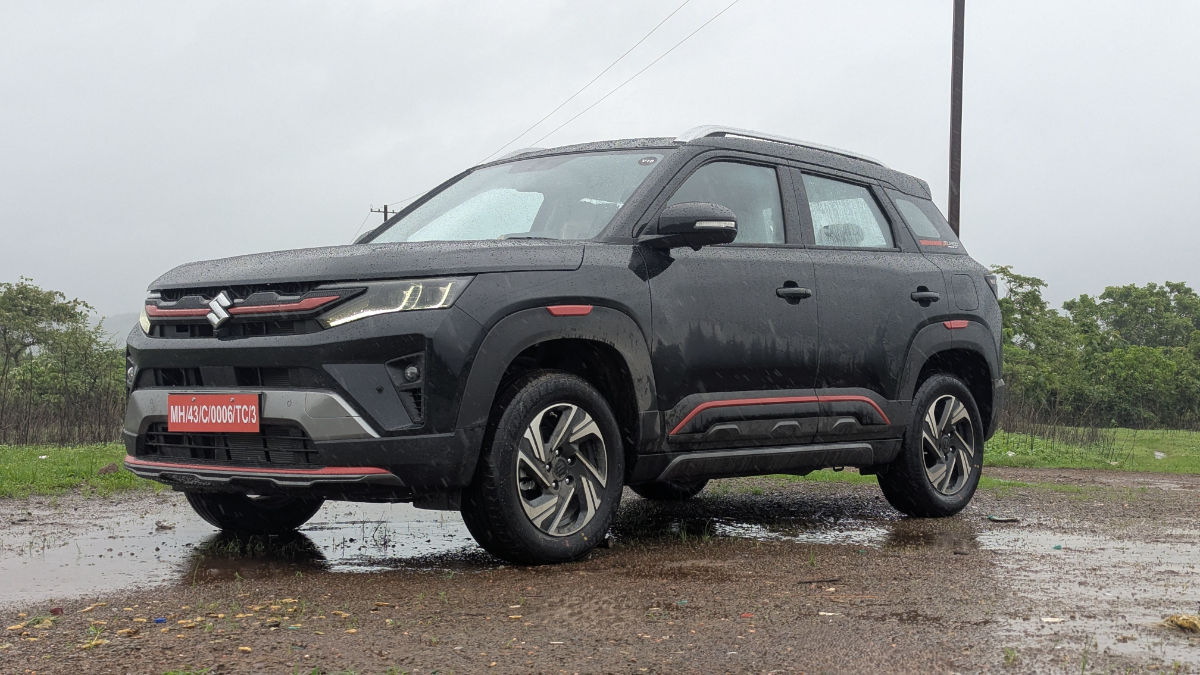
Note: Since the Brezza has a 1500cc engine, the compensation cess was higher at 17%, taking the effective tax to 45%. Under the new GST regime, it will be taxed at 40%, providing marginal relief to buyers.
Also Read: Why Buying A Small Car After September 22 Under The New GST Rule Could Save You Big Money
Small Cars (Diesel)
| Passenger Vehicles (Diesel) Up to 4m in Length and up to 1500cc engine |
|||
| GST |
Compensation Cess |
Total Tax |
|
| Old |
28% |
3% |
31% |
| New |
18% |
0 |
18% |
| Savings |
10% |
13% |
|
There are limited models that benefit here. Small diesel SUVs, such as the Tata Nexon, Kia Sonet, Kia Syros and Mahindra XUV 3XO are expected to see price drops due to this change.
Mid-Size/Large Hybrid Cars (Above 4-metres)
| Hybrid Passenger Vehicles |
|||
| GST |
Compensation Cess |
Total Tax |
|
| Old |
28% |
15% |
43% |
| New |
40% |
0 |
40% |
| Difference |
+12% |
3% |
|
Hybrid cars above 4 metres in length also get a marginal 3% relief, despite an increase in GST. The Grand Vitara Strong Hybrid, Toyota Hyryder Hybrid, Honda City Hybrid, Toyota Innova Hycross Hybrid and Maruti Suzuki Invicto Hybrid will benefit from the removal of compensation cess.
Mid-Size Cars
| Vehicle Upto 1500cc |
|||
| GST |
Compensation Cess |
Total Tax |
|
| Old |
28% |
17% |
45% |
| New |
40% |
0 |
40% |
| Difference |
+12% |
5% |
|
The earlier tax structure made a distinction for vehicles 'up to 1500cc'. Most SUVs and sedans in the 4.3-metre bracket, such as the Hyundai Creta, Kia Seltos, Volkswagen Virtus, Skoda Slavia, and Maruti Ertiga fall into this category.
While the GST rates have been hiked from 28% to 40%, the removal of cess means the effective tax is lower.
Also Read: GST Rate Cut On Cars: Hyundai Creta, VW Virtus, Mahindra Thar Roxx, And More Will Get CHEAPER!
SUVs
| Passenger Vehicles popularly known as SUVs (Above 4m in length, above >1500cc engine & >170 mm Ground Clearance) |
|||
| GST |
Compensation Cess |
Total Tax |
|
| Old |
28% |
22% |
50% |
| New |
40% |
0 |
40% |
| Difference |
+12% |
10% |
|
Big relief for SUV fans too, as the removal of an exorbitant 22% cess brings the effective tax on popular cars such as the Mahindra XUV700, Mahindra Scorpio N, and Toyota Fortuner down to 40%. Considering the relatively high prices of these SUVs, the savings are expected to be substantial here.
Electric Vehicles
There are no changes to the GST rates for electric vehicles. All electric vehicles are taxed at 5% as before, with no cess of any sort.
Luxury Cars
Luxury cars would attract a compensation cess of 20-22% over and above 28% GST based on their classification. Going forward, these cars will be taxed at 40%, resulting in a saving of 8-10%.
CarDekho Says
Overall, the GST reforms are positive for the Indian automotive industry. Given months of slow or no growth, and flat-lining sales, manufacturers are sure to be breathing easy now. The new rates are effective from September 22, just in time for the festive season which is expected to give a boost to demand.
Follow the CarDekho WhatsApp channel to get instant updates from the automotive world.
33 out of 34 found this helpful