
GST Effect: SUVs And Luxury Cars Might Cost More, Soon
The central government is likely to hike the cess from 15 to 25 per cent


- 16 Comments
- Write a comment
The GST council has recommended 25 per cent as the max cess for motor vehicles
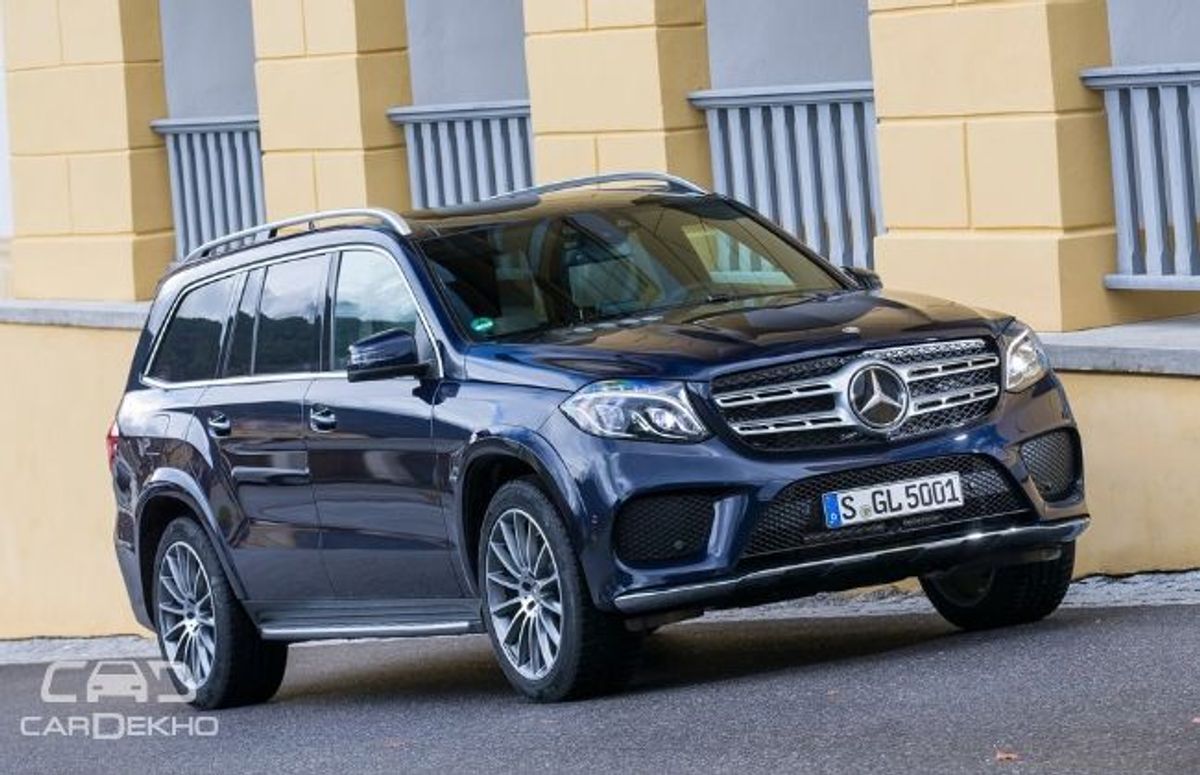
Latest upate - Cess on SUVs, luxury cars and mid-size cars increased by 7 per cent, 5 per cent and 2 per cent respectively
Have you been planning to buy a luxury car or an SUV? Well, our recommendation would be to speed up that process because if you delay it further, you could end up paying a lot more than you would now. Here’s why.
The GST council has recommended a revise in upper limit of cess on motor vehicles from 15 to 25 per cent. If this is agreed upon in the upcoming GST (Goods and Services Tax) Council meet in Hyderabad next month and then passed in the parliament, the highest tax rate of 43 per cent (28 per cent GST plus 15 per cent cess) will go up to 53 per cent. Here are a couple of examples on how it will impact the overall prices of such type of vehicles.
| Vehicle Type | Current GST Structure | New Proposition | ||
| Base + Cess | Total | Base + Cess | Total | |
| SUVs | 28% + 15% | 43% | 28% + 25% | 53% |
| Luxury Cars | ||||
Example 1: Toyota Fortuner 2.8L 4x4 AT
Current Price (ex-Delhi): Rs 29,17,700
Revised price if cess goes up: Rs 31,21,735
Effective price increase: Approx 7 per cent

Example 2: BMW 520d Sport Line
Current Price (ex-Delhi): Rs 49,90,000
Revised price if cess goes up: Rs 53,38,951
Effective price increase: Approx 7 per cent
Why such a massive change? In simple words, it is to counter the protests over hybrid vehicles that currently attract the same overall tax as SUVs and premium cars. Moreover, a review of the tax rates on hybrid cars has been completely ruled out. What a shame.
GST was implemented on July 1, 2017, and with it came a mixed bag of emotions, especially for the automotive industry. The joyous part of the bag comprised of decreased price tags for conventional cars which harness their firepower from an internal combustion engine. To offset that happiness amongst buyers and sane think-tanks in the country, the centre decided that hybrid cars deserve to be slapped with the steepest cess of 15 per cent over and above the highest GST slab of 28 per cent. Result? Technology that has been engineered to be less polluting has gone further out of reach. Hybrids are much more frugal and our test figures have proven that.
Also Read: Impact of GST On Car Prices In India