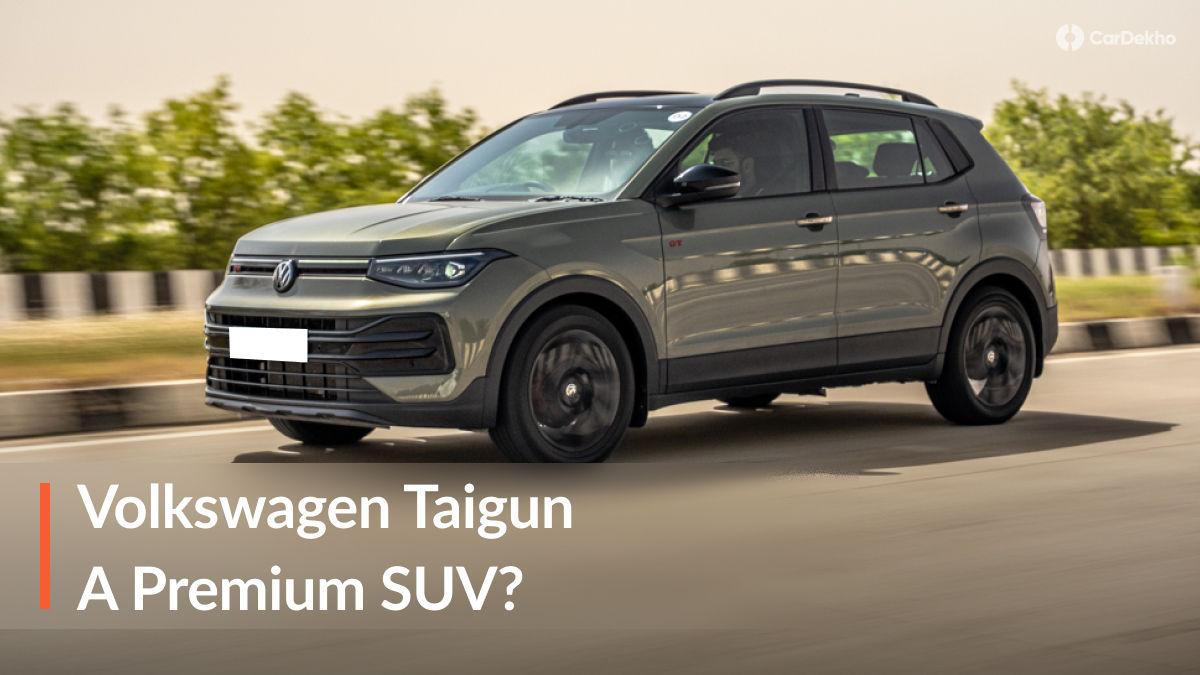

Why Driving Enthusiasts Still Rate The Volkswagen Taigun Highly?
With strong German credentials and capable motors, the Taigun continues to be a benchmark in its segment when you consider the driving aspect


- Write a comment
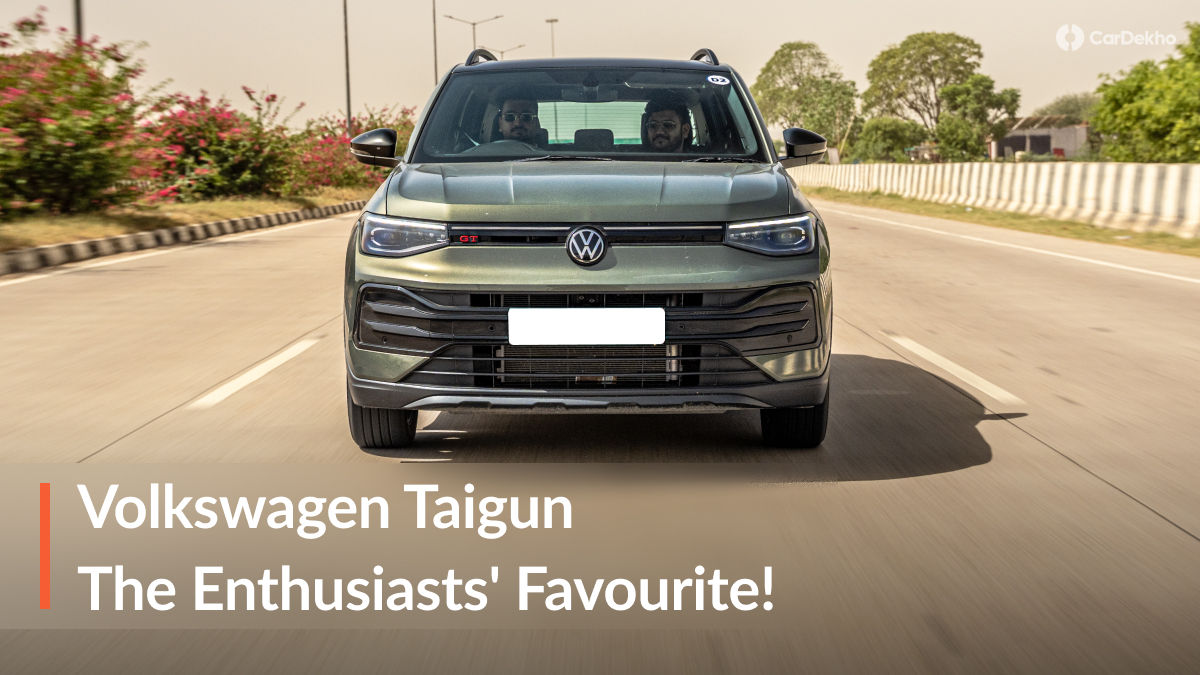
Walk into any showroom in India to buy a compact SUV today, and the sales pitch is almost always the same: bigger screens, longer feature lists, more connected tech. It's a formula that works for a large share of buyers. But there remains a smaller, more specific group that asks a different question entirely.
These customers ask how the SUV actually feels from behind the wheel. For these buyers, the Volkswagen Taigun has remained the most respected choice in the segment, and the reasons go back to genuine engineering fundamentals as well as the equipment on offer.
Chassis Balance That Offers What You Need
Most compact SUVs are tuned primarily for a soft, comfort-first ride, which often comes at the cost of body control and a lot of vertical movement at higher speeds. The Taigun takes a different approach.
The chassis stays composed over broken patches, resists body roll effectively through corners, and never feels floaty at highway speeds. This balance between ride comfort and control is what makes the Taigun so special. It's a direct result of Volkswagen tuning the suspension to work with the chassis rather than simply softening it to smooth out bumps. The result is a car that feels confident on city roads and on twisty ghat sections.

You run out of names when you try to recollect names of rival cars that offer a similar balance.
Steering Feel That Connects You With The Car
If there's one element that enthusiasts consistently single out about the Taigun, it's the steering. The Taigun’s steering wheel setup is often described as one of the best in the segment. It is not overly heavy, but weighted enough to inspire real confidence, with a level of feedback that lets the driver sense exactly what the front wheels are doing. This matters enormously once speeds pick up, or the road starts to wind.
The Taigun's setup communicates clearly and rewards precise inputs. It's the kind of detail that's easy to overlook on a test drive around the block, but impossible to ignore on a proper long drive. This is why we insist on taking a longer test drive when checking out the car in person.
Driving Dynamics: A Clear USP
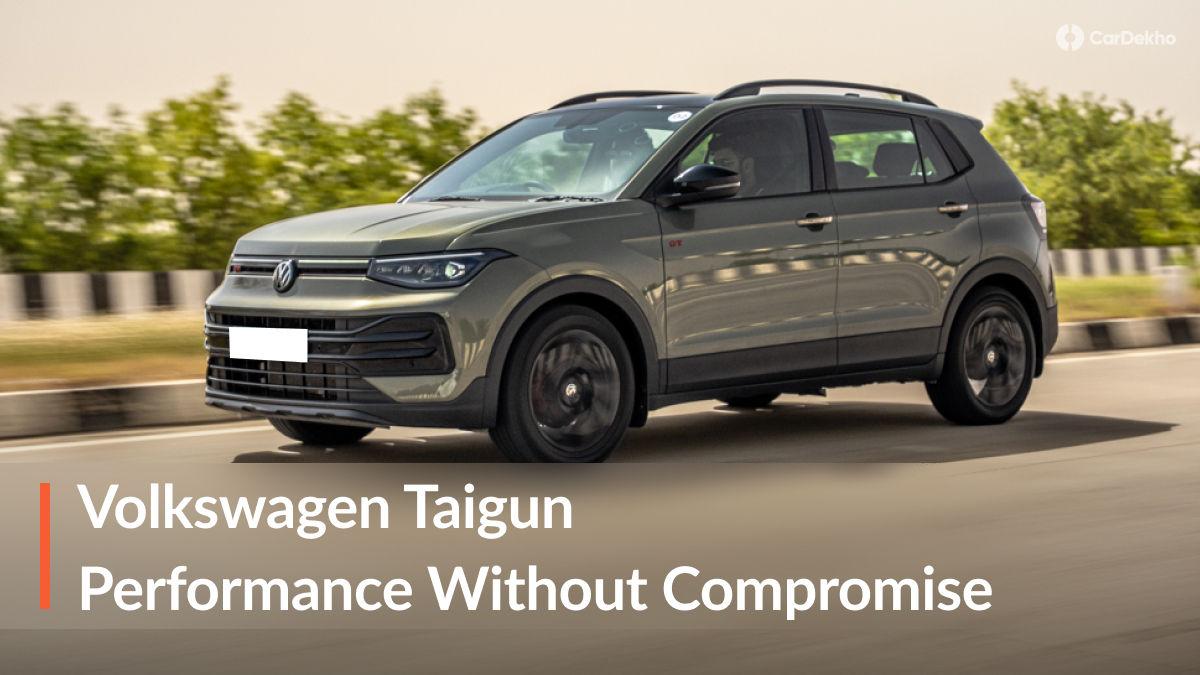
Volkswagen continues to dominate in driving dynamics; as soon as you put the chassis and steering together, what emerges is a car that behaves the way an enthusiast wants an SUV to behave: composed at speed, agile through direction changes, and genuinely engaging rather than merely comfortable.
On highway stretches, the Taigun stays planted and settles into a reassuring rhythm even over undulating surfaces, while on winding roads it resists the body roll and vague responses that you usually get with cars in this price category. The duality of providing a comfortable enough ride for daily use, while being engaging enough for a spirited drive, is precisely what keeps the Taigun in enthusiast conversations years after its initial launch.
Turbo Performance That Rewards Enthusiastic Driving
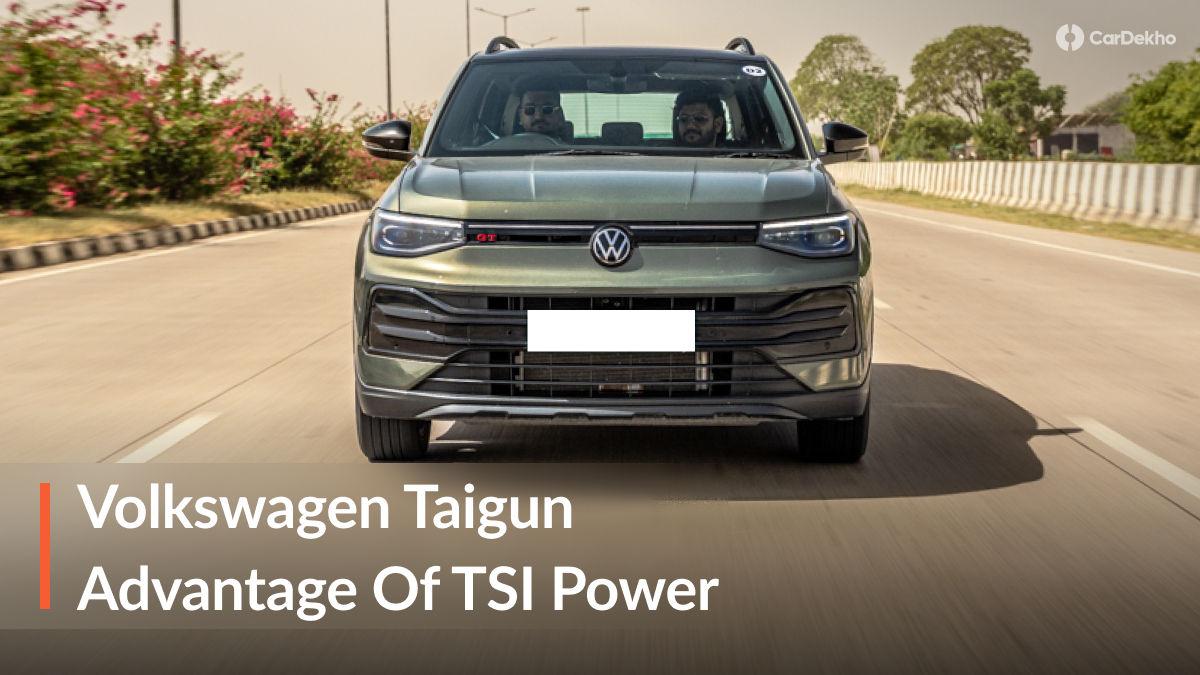
None of this dynamic capability would matter without a powertrain to match, and the Taigun's turbocharged engines deliver exactly that. The 1-litre TSI, now paired with a new 8-speed torque-converter automatic, produces 115 PS and 178 Nm with genuinely sprightly responses, while the 1.5-litre TSI EVO with Active Cylinder Technology churns up to 150 PS and 250 Nm paired with a 7-speed DSG that is genuinely quick-shifting.
While the 1-litre turbo-petrol feels quick enough and engaging, the 1.5-litre turbo-petrol with the DSG combination is the more enthusiast-focused of the two, delivering sharper responses and a more rewarding drive, while the updated 8-speed automatic has made the 1-litre TSI noticeably more refined and versatile than before. For drivers who care about how an engine responds to enthusiastic throttle inputs rather than just how it performs in a straight line, this remains one of the most satisfying powertrain packages in the segment.
The Confidence
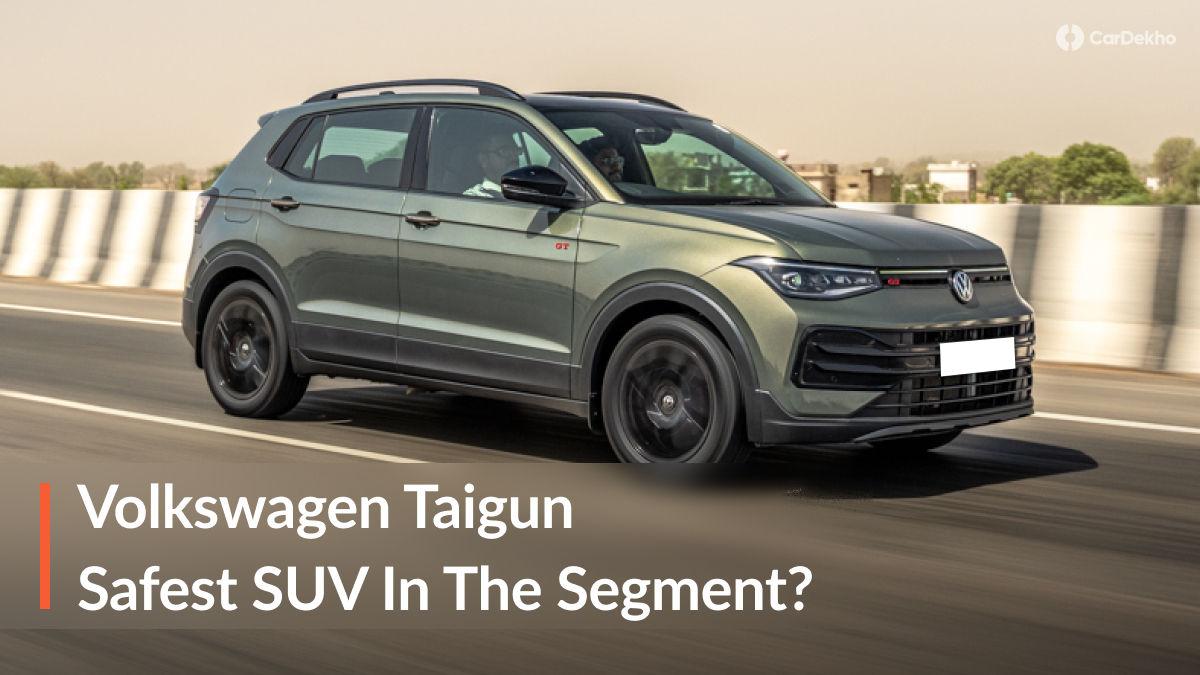
The biggest use case of Taigun's engineering priorities comes at triple-digit speeds. The suspension remains firm without compromising ride quality, body movement stays minimal even over undulating surfaces, and the steering retains its weighted, communicative feel when you are merging onto a fast highway, making an unplanned lane change while cruising on the highway, or driving a long, high-speed stretch.
It is also important to note that both turbo-petrol engines offer strong mid-range performance that makes overtaking look easy. Even with a full load, during your long road trips or airport runs, the engines don’t feel stressed.
How It Prevails Over Rivals
This is where the Taigun's approach draws the clearest line against many of its comfort-focused rivals. A significant number of competing SUVs in this segment are tuned for broken city roads and a comfortable setup rather than focusing on a balanced approach.
But it does come at a cost for anyone who actually enjoys driving: lifeless steering, more noticeable body roll, and a general sense that the car is designed to be comfortable rather than engaging. The Taigun's enthusiast following exists precisely because it refuses to make that trade-off, and doesn’t give up control and engagement that keener drivers actively look for.
CarDekho Says…
For the drivers, whom we call “the enthusiasts”, who genuinely care about chassis balance, steering feedback and genuine high-speed composure, the Volkswagen Taigun continues to offer something increasingly rare in Indian compact SUVs. It offers a driving experience built around actual engineering fundamentals.
That's precisely why, years after its original launch, the Taigun remains a constant favourite among driving enthusiasts. It truly is an SUV that you want to keep coming back to even after a long drive.