
- English
- Login / Register
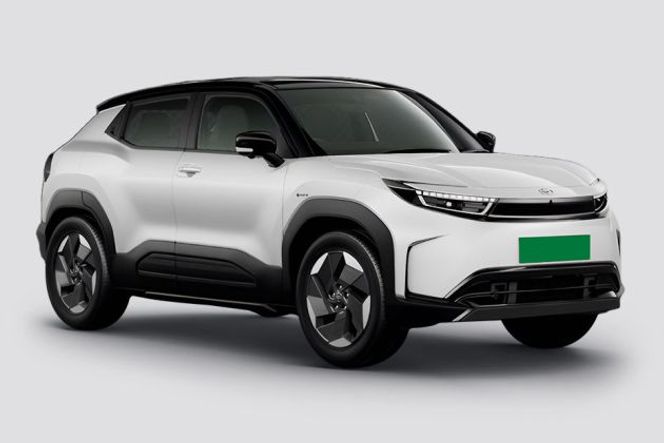
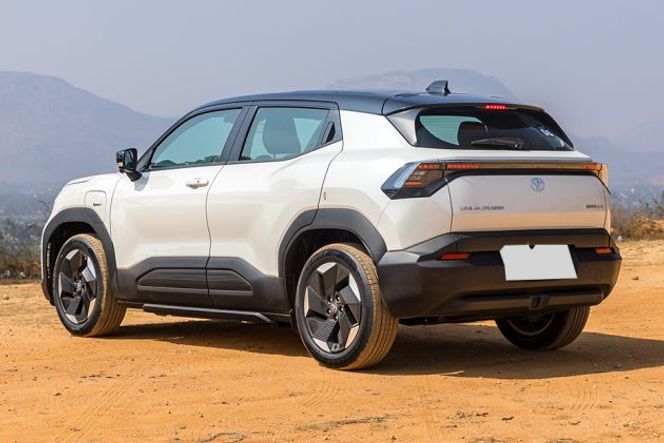

Toyota Urban Cruiser EBELLA
The Toyota Urban Cruiser Ebella has been launched and marks Toyota’s foray into the competitive compact EV SUV space. It is essentially a rebadged version of the Maruti Suzuki e Vitara and has the same specs and features. What differentiates it from its donor car is its styling, where the Toyota Ebella looks sleek and modern.
Toyota Urban Cruiser EBELLA Price & Variants
Urban Cruiser EBella has 1 effective variant — E3 (₹23.60L), Toyota's recently-launched electric SUV (rebadged Maruti eVitara) currently sold in a single launched trim with additional variants upcoming. The E3 packs a 49 kWh LFP battery delivering ~543 km MIDC range, a front-axle electric motor (106 kW / 189 Nm) and 7 kW AC home charging compatible with 70 kW DC fast charge (10-80% in ~50 minutes). Standard kit covers 7 airbags, ESC, hill descent control, all 4 disc brakes, the 22.86cm Smart Playcast touchscreen with wireless Android Auto + CarPlay, automatic climate, push start, leatherette seats, LED projector headlamps, V2L (vehicle-to-load) to power devices on a road trip and Toyota i-Connect with 60+ connected features. No trim to pick yet: at ₹23.60L you get a city-friendly electric SUV with respectable range and Toyota's after-sales reach — built for daily commuters wanting an EV with proper service backbone.
Toyota Urban Cruiser EBELLA Specifications and features
| Range | 543 km |
| Power | 171.65 bhp |
| Battery Capacity | 61 kWh |
| Seating Capacity | 5 |
| No. of Airbags | 7 |

150kW DC fast charging capacity allows for quick top-ups which is useful on road trips
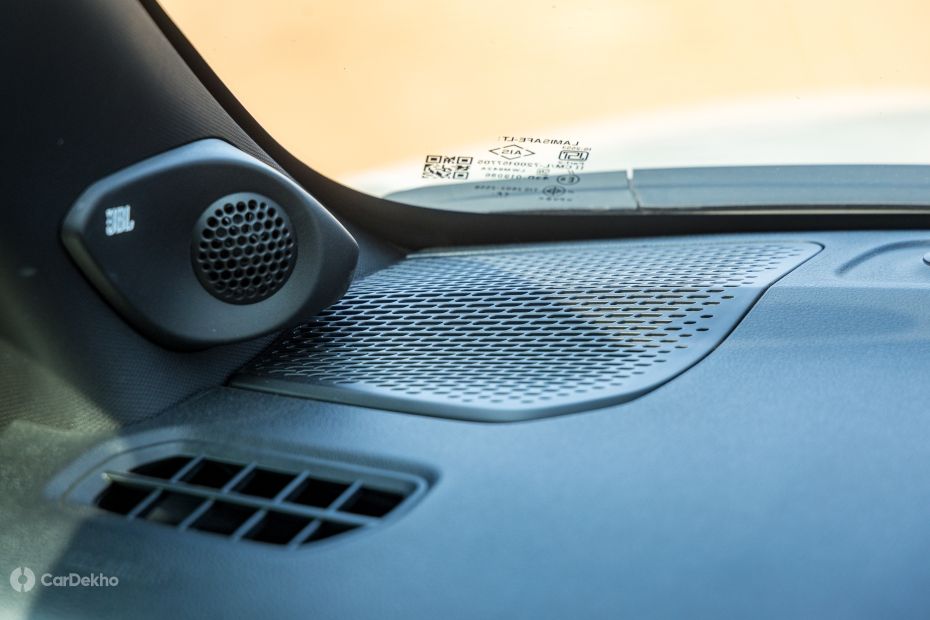
JBL audio system has punchy bass and good audio quality
40:20:40 rear seats offer flexibility for storage.
- Key Specifications
- Highlights
Urban Cruiser EBELLA 2026: Latest Updates
-
July 3, 2026: The Urban Cruiser Ebella is now also offered with a Battery-as-a-service rental program, with prices starting from Rs 15.25 lakh (ex-showroom) + Rs 4.99 per km.
-
May 29, 2026: Toyota has finally announced prices for the top-spec Urban Cruiser Ebella's E3 variant, which costs Rs 23.6 lakh (ex-showroom). Prices of the lower-spec E1 and E2 variants are yet to be announced.
Urban Cruiser EBELLA Expert Review
Things We Like
- Design: Sharp front styling is based on Toyota’s global lineup
- Interior quality: Smooth and textured plastic along with solid buttons and stalks feel rich to interact with
- Smooth performance: Throttle and regenerative braking calibration is super smooth
Things We Don't Like
- Rear seat experience: Underthigh support is poor even for average-sized adults and limited sense of space
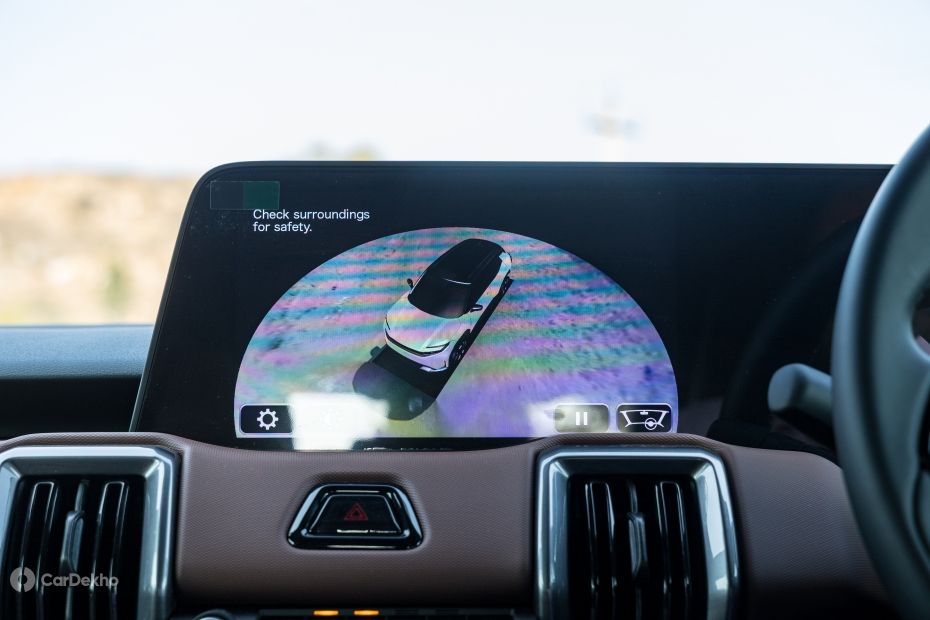
- 360-degree camera: Quality is too grainy and not acceptable at this price
- Regenerative braking: No physical button or paddle shifters means level of regen braking can only be changed when stationary
Toyota Urban Cruiser EBELLA expert review
Overview
The Toyota Ebella marks the entry of Toyota’s first ever EV for the Indian market. It is essentially the rebadged avatar of the Maruti e Vitara, and apart from a few cosmetic tweaks, the cars are identical in terms of features and specifications.
After driving the Ebella for a short while, I realised it gets the basics right. But that’s about it.
Among a plethora of options, including the Hyundai Creta EV, MG Windsor, Tata Curvv EV and Mahindra BE 6 — why should you or shouldn’t consider the Toyota Ebella? Let’s find out:
Exterior
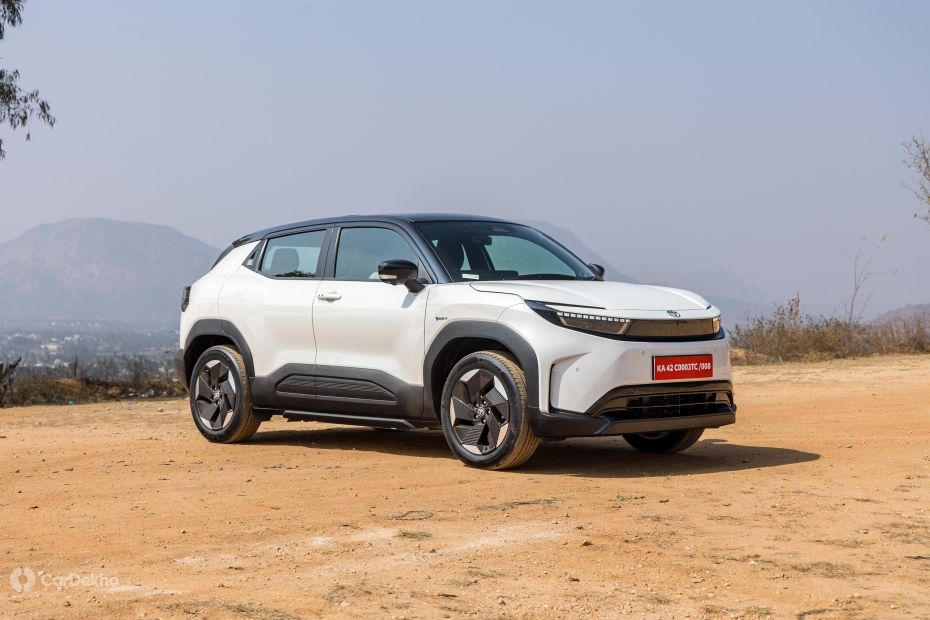
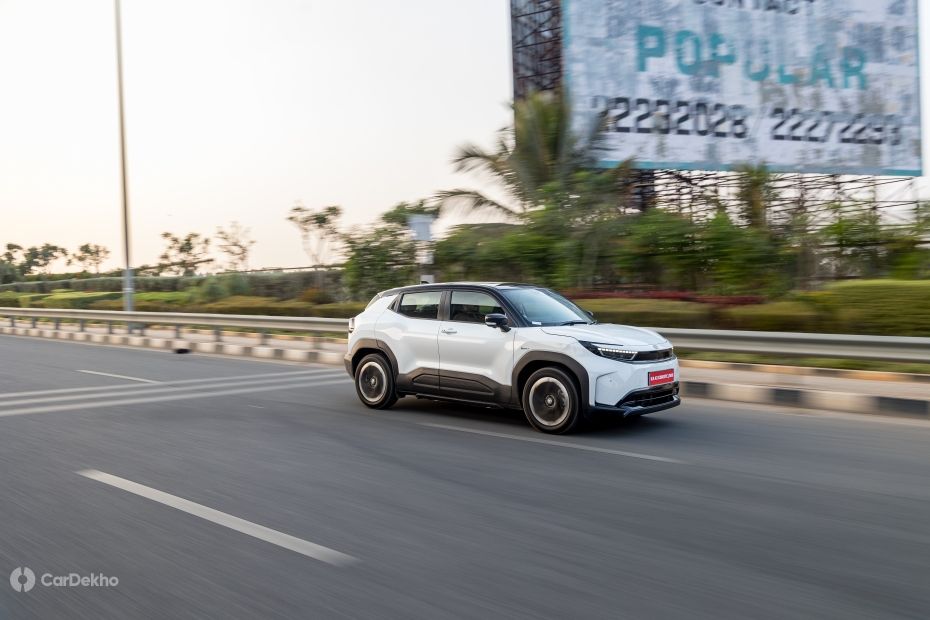
The Toyota Ebella’s design lies in a middle-ground, where it doesn’t look as quirky or doesn’t stand out compared to some of its rivals, but also doesn’t look too conventional.
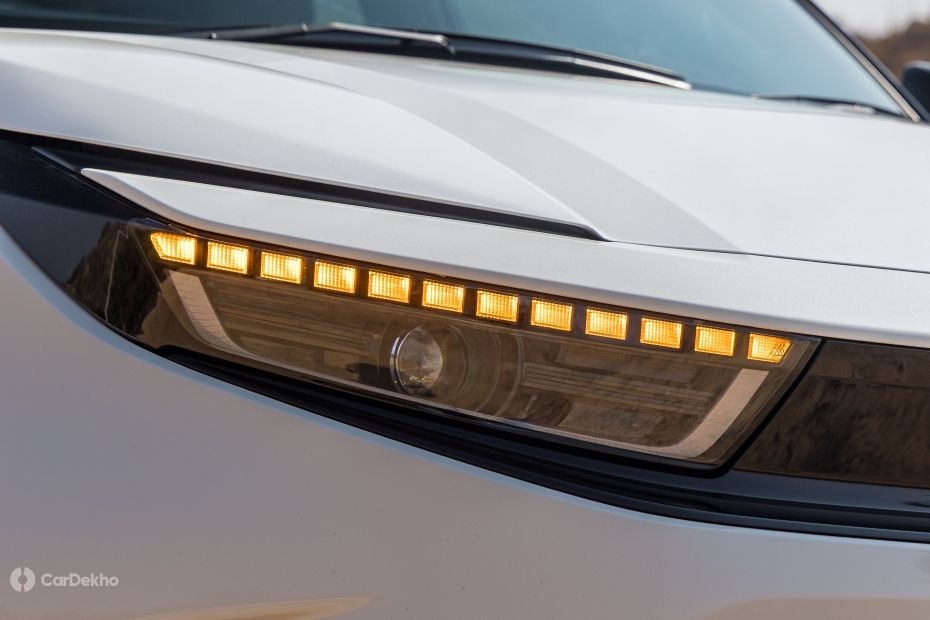
The front looks really attractive, and I believe this is a unanimous opinion based on the conversations I’ve had with people. It follows Toyota’s global design philosophy called ‘hammerhead’ and it does look really sharp.
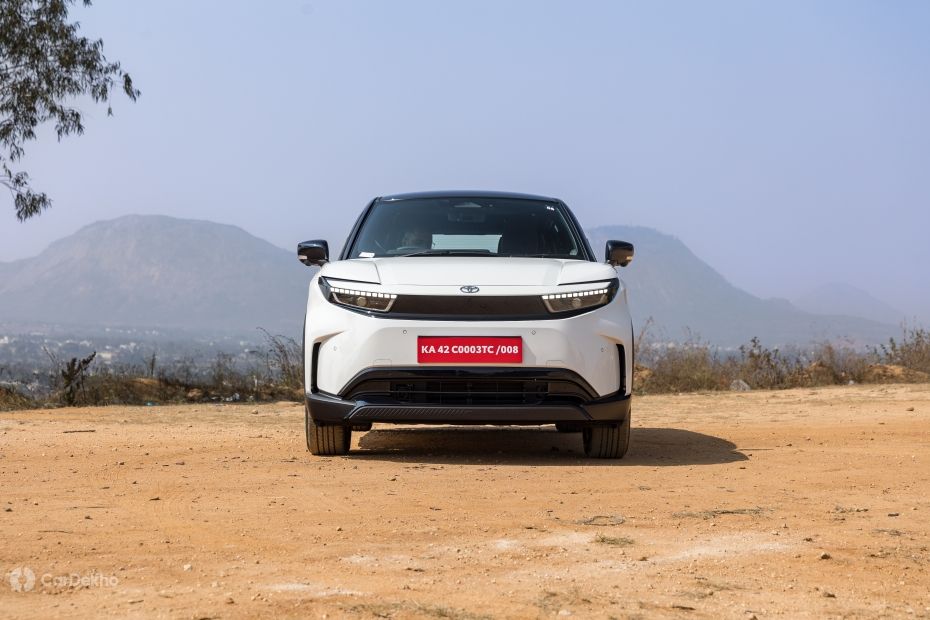
The sleek LED headlight, swooping bonnet lines and air inlets in the bumper give it a bold and aggressive look. The dotted LED DRLs work as an eyeliner for the headlights and also double up as turn indicators.
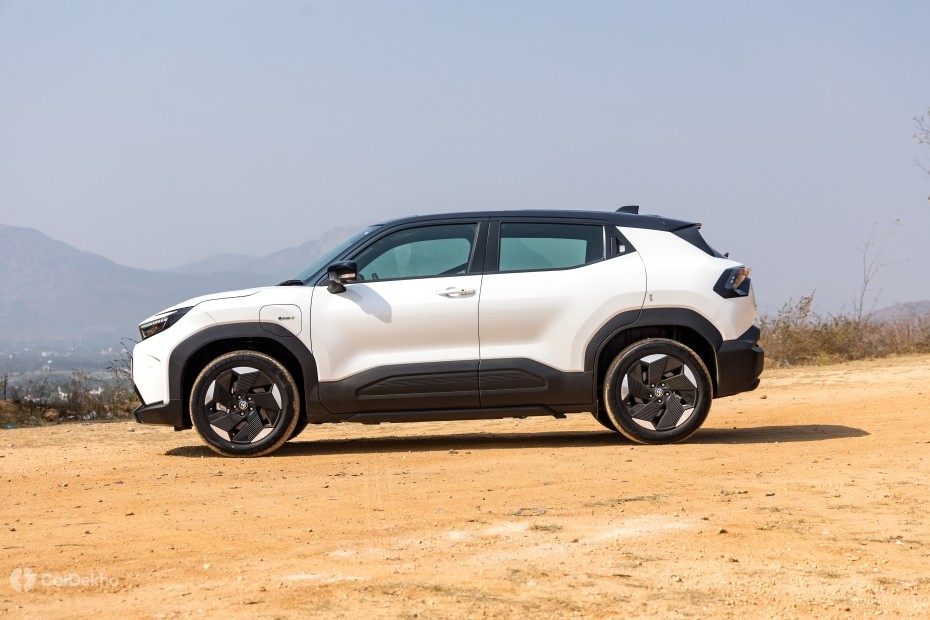
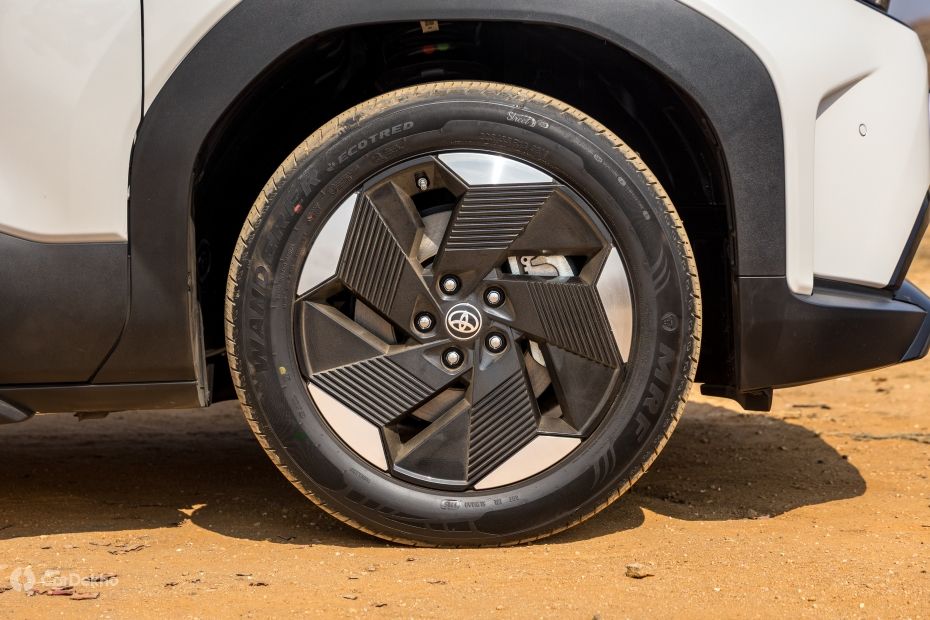
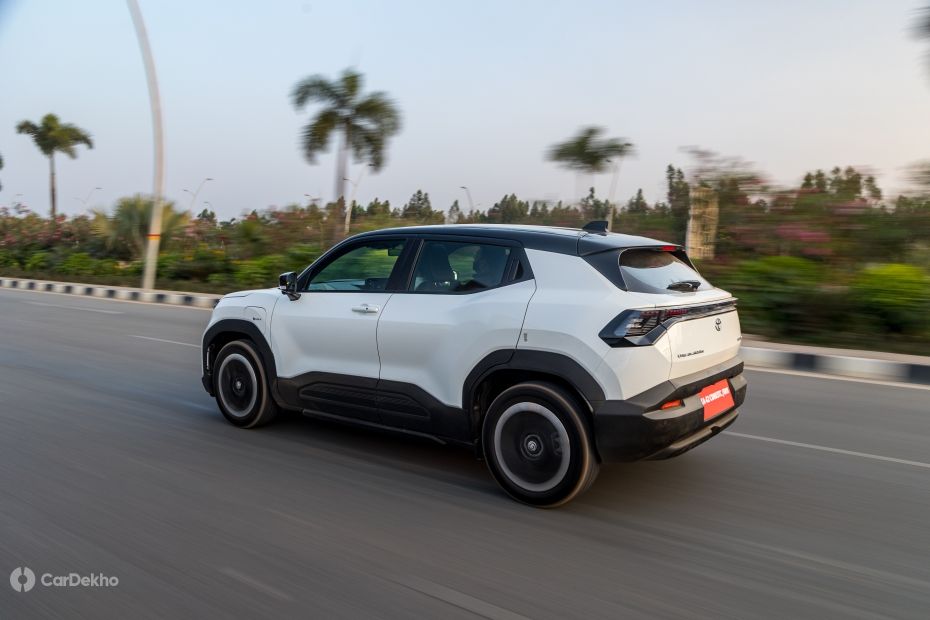
In profile, the car looks boxy and rugged, but the overall styling is identical to the e Vitara. The flared fenders make it look really muscular, almost as if it’s got a post workout pump. The 18-inch alloys are standard and the rear door handles are on the C-pillar.
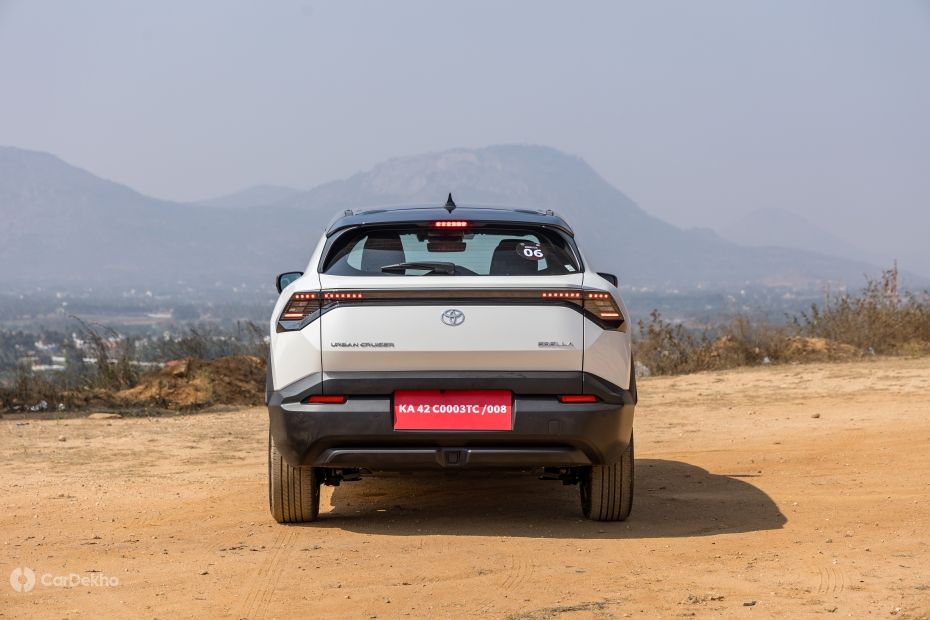
I think the rear styling of the Ebella is a little too simple and it doesn’t match the appeal of the nose. It looks a bit flat, has a connected panel on which the LED tail lights sits, but the middle part isn’t illuminated.
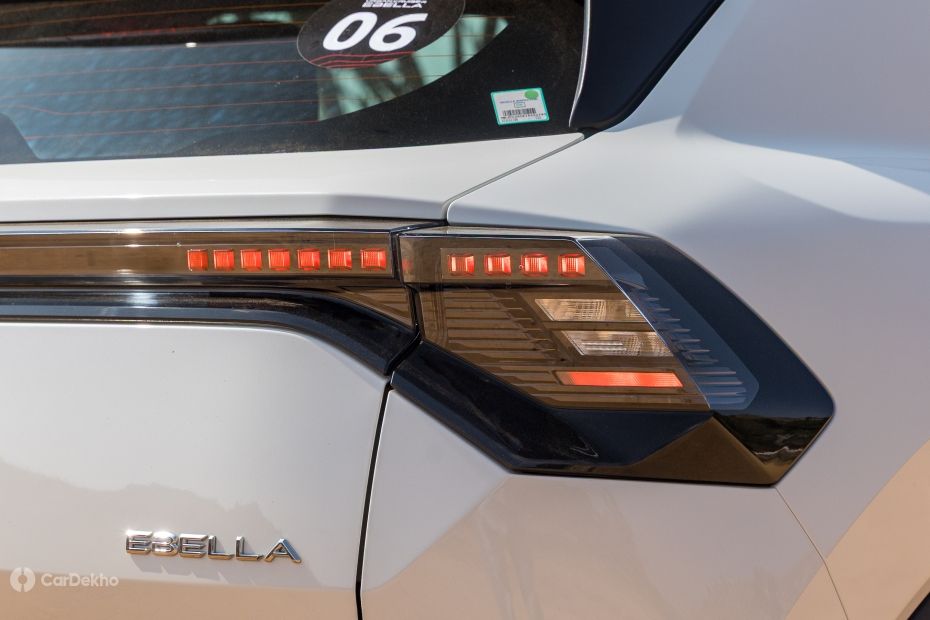
There’s only a minute distinction from the e Vitara here in the LED elements itself, and you can read about all the differences and similarities between the two Evs in this story.
The Toyota Ebella is available in a total of 5 simple exterior colour options: Bluish Black, Sportin Red, Cafe White, Enticing Silver and Gaming Grey.
Here’s how the Ebella looks in different colours.
Landbreeze Green is a dual-tone only shade alongside existing options Sportin Red, Cafe White, and Enticing Silver.
Interior
The cabin of the Toyota Ebella is easily the best that Toyota has ever offered this side of the Camry in terms of both design and quality.
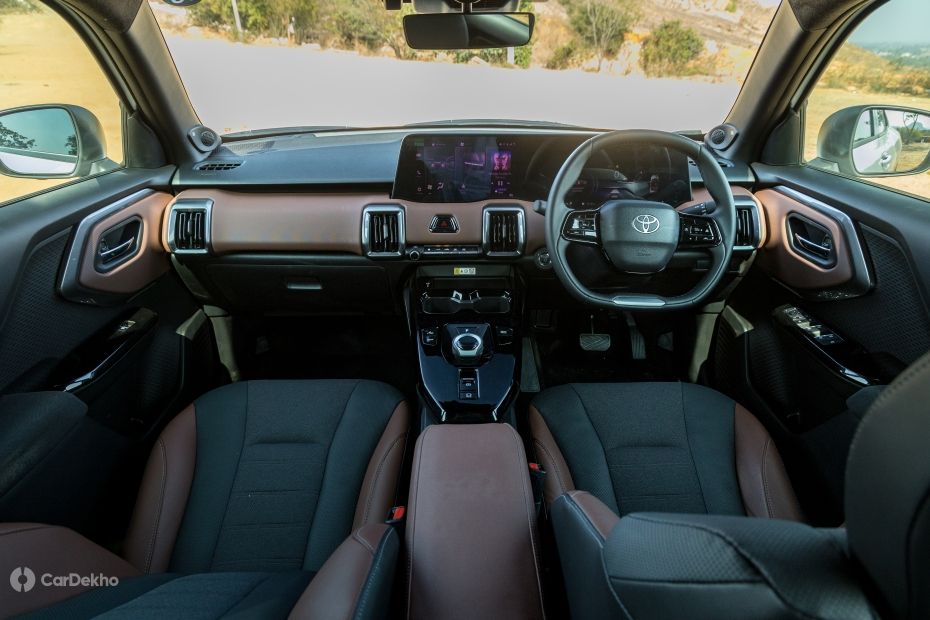
It doesn’t take a minimalistic approach like some of its rivals and goes heavy on squarish elements with a thick dual tone central dashboard panel, square AC vents, steering wheel and a chunky centre console.
The quality isn’t setting any benchmarks in the segment, but is hard to fault. Really well finished plastic runs around the dashboard and door trims, while the top and lower plastics have a smooth finish as well. Leatherette is offered on the central armrest and steering wheel.
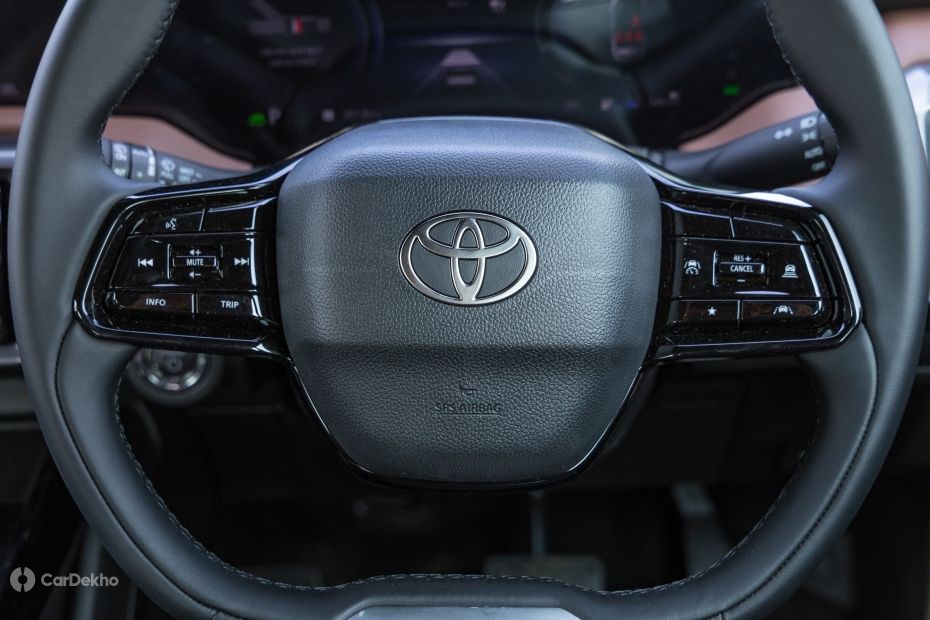
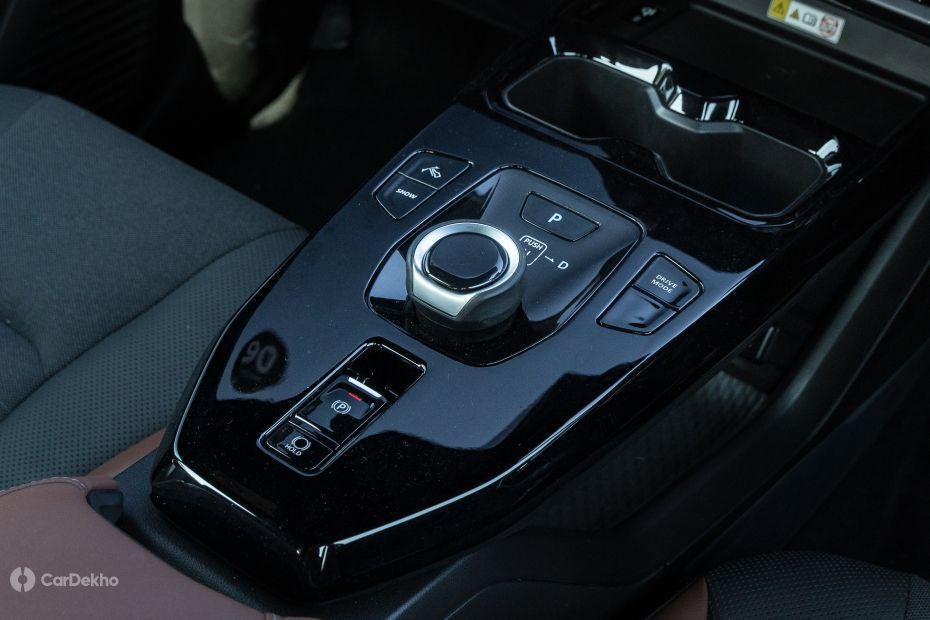
Things like the indicator and wiper stalks feel solid and the buttons on the central console have a nice damped action to them. The only issue here is the piano black panels that cover the central console. It picks up dust and scratches super easily, and keeping it smudge free is nearly impossible.
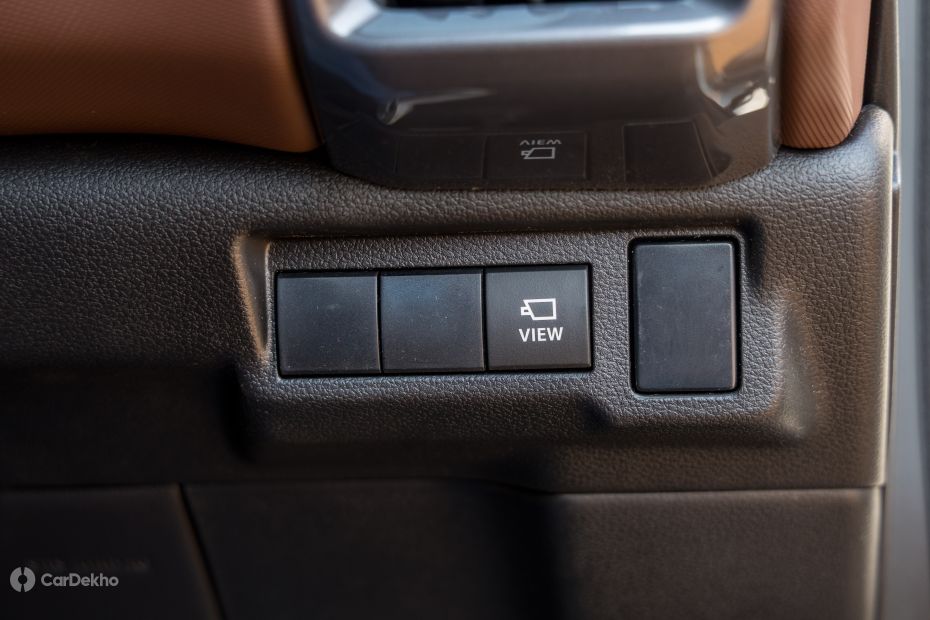
I also couldn’t help but notice the blank buttons alongside the button for the 360-degree camera – feels like there’s something missing and you’re not in the top-spec variant, even when you are.
Front Seats
The Ebella’s seats use a combination of leatherette and fabric. Not only do they look nice, but also offer good comfort for people of all heights (even the really tall ones). The cushioning is on the firmer side but feels comfortable for short drives too, and the side contours are supportive.
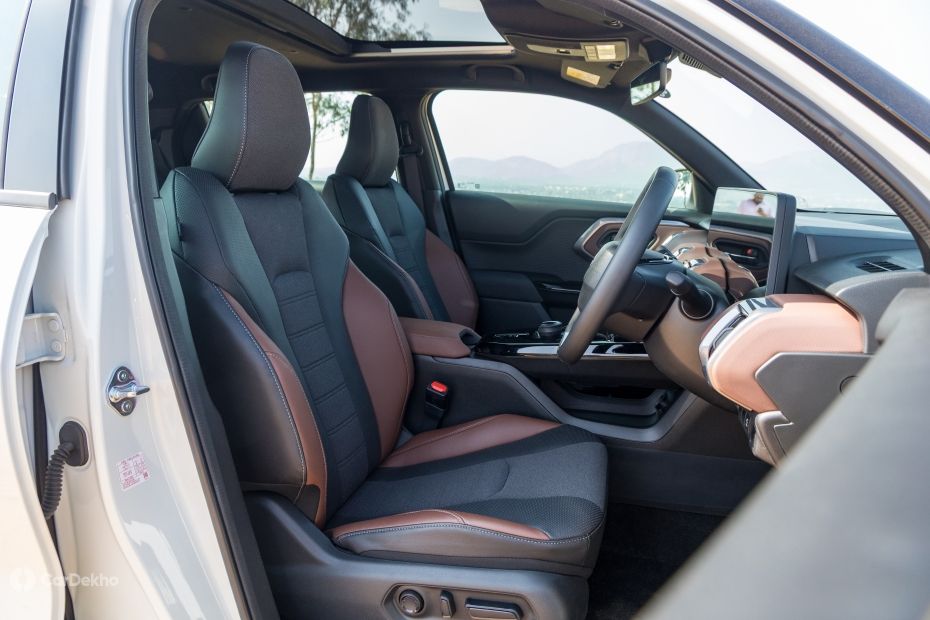
There’s 10-way adjustability for the driver seat, and tilt and telescopic steering wheel is offered as standard.
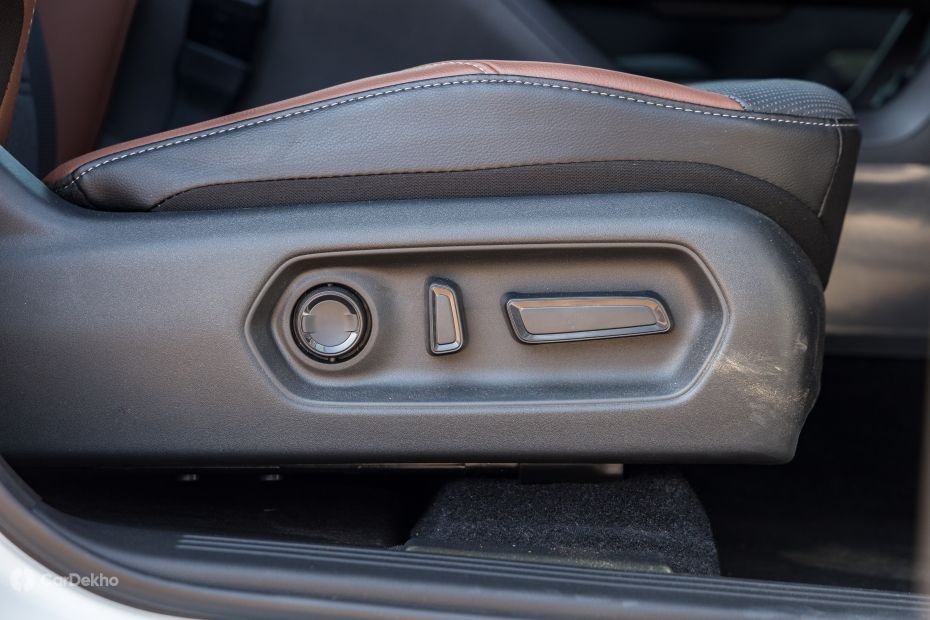
The seats don’t go down too low/in a sporty position but you can definitely find a confident setting easily. Even really tall people won’t complain about the space, but underthigh support for them could’ve been better.
Rear Seats
The Ebella’s rear seats aren’t the most comfortable to get into for the elderly. Due to the batteries in the floor, its natural height is higher, so you have to lift your knees up more than you would normally have to do in a car like this.
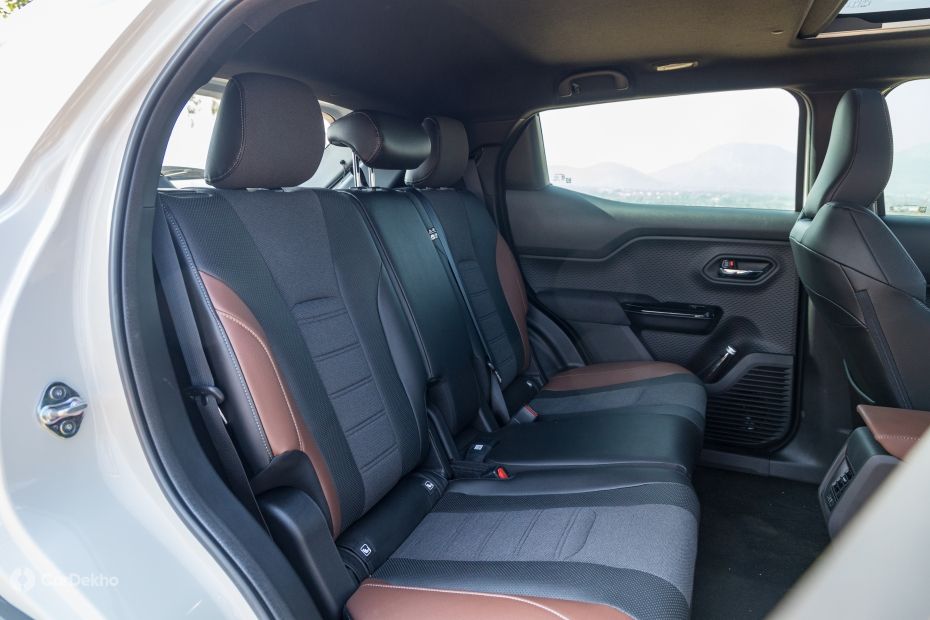
Once inside, the Ebella offers adequate space but there’s room for improvement in terms of comfort. The seats slide and recline, mostly to just make up more space in the boot. The knee room is plenty for two 6-footers to sit back-to-back. Headroom is just about adequate for a tall person, but the seats fall short when it comes to underthigh support. It feels inadequate even for a person with an average height and there’s not much footroom that can help improve it either.
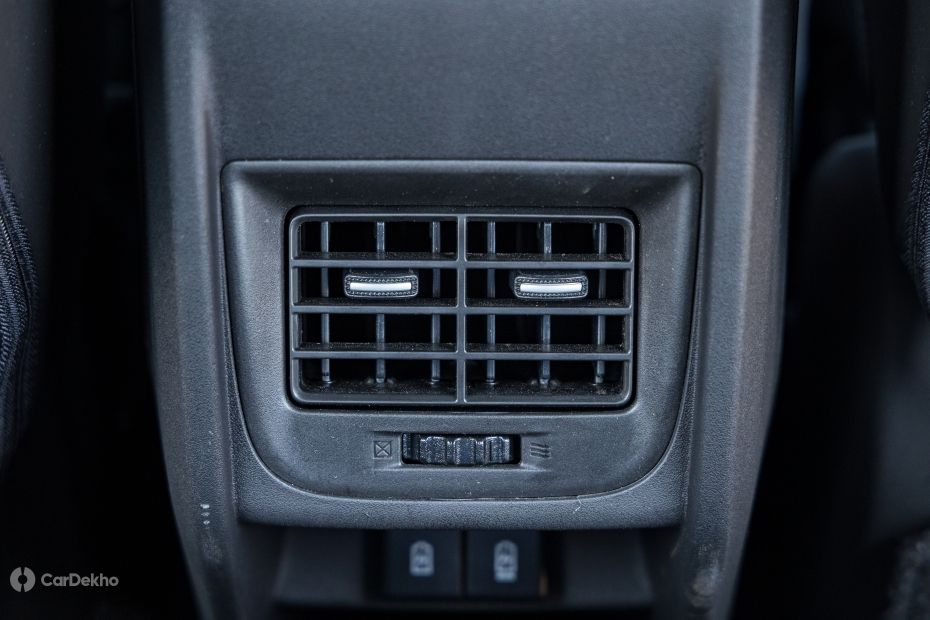
The sense of space also feels limited with the dark cabin theme and big headrests blocking the view up front. Convenience features here include rear AC vents and an armrest.
So overall, Ebella isn’t the best option when it comes for a chauffeur-driven purpose, but it won’t feel uncomfortable for short city runabouts.
Practicality and Charging Options
While the Toyota Ebella is practical enough, the space could’ve been better utilised given that it’s a born-EV platform.
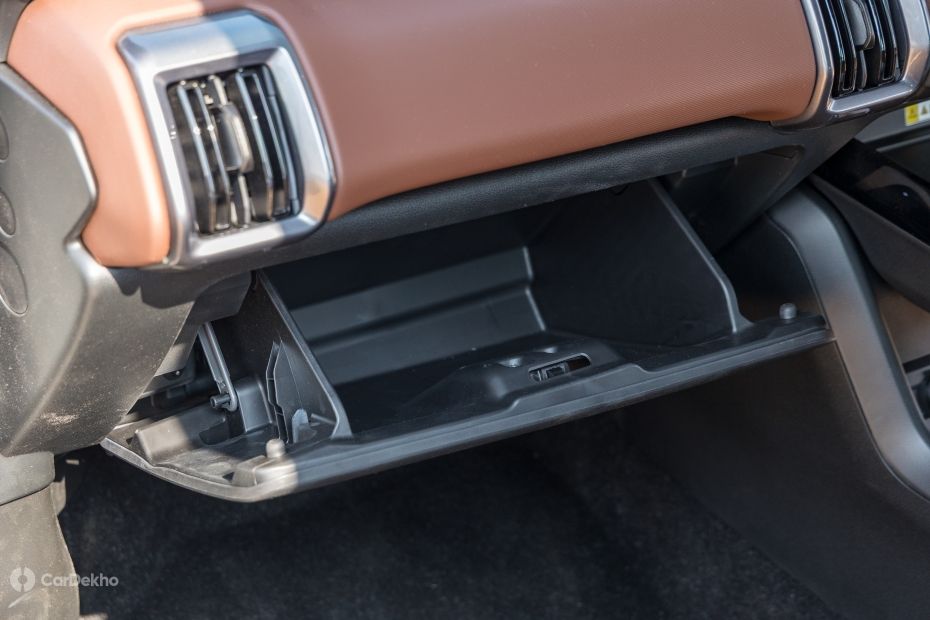
There are 1-litre bottle pockets on all doors, two cupholders each for the front and rear passengers, a small glovebox and a small space beneath the central console. The space underneath the front armrest is deep and you can keep multiple cans in it.
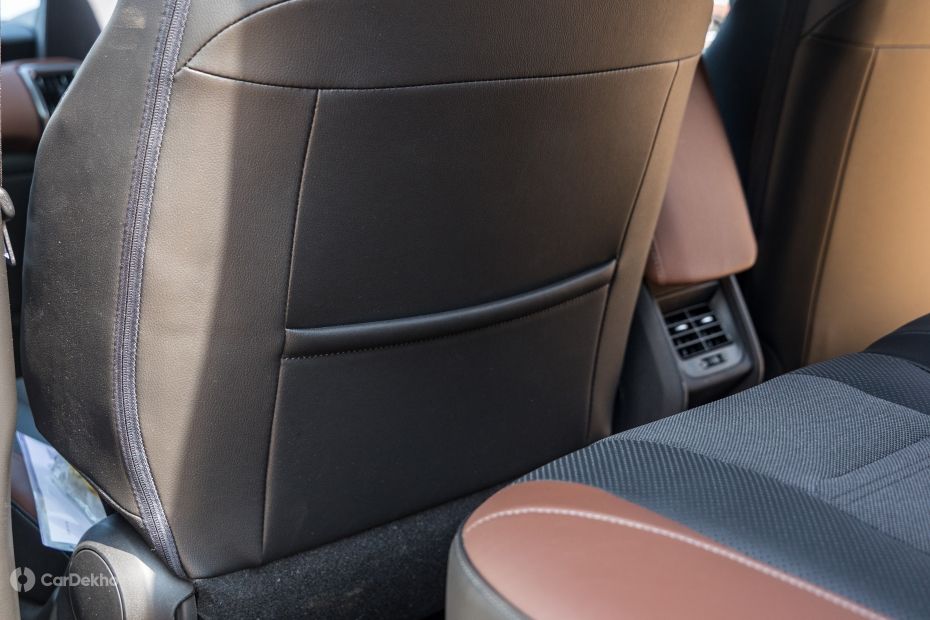
There’s only one seatback pocket behind the front passenger seat, and there’s also a small space underneath the rear AC vents.
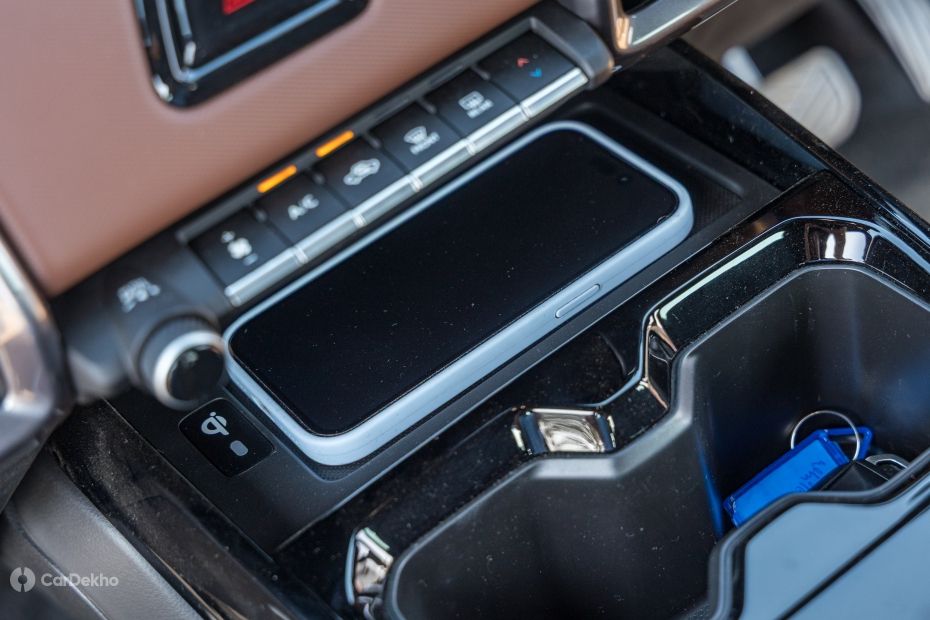
In terms of charging, front and rear passengers get one set of USB type-A and one type-C charging ports each. There’s also a wireless phone charger for the front passengers.
Features
Features
The Toyota Ebella matches the segment when it comes to the features on offer, but doesn’t do anything radical.
Basics are covered with features like keyless entry, push button start/stop, auto AC, electric ORVMs, auto headlights and steering mounted controls. I appreciate that Toyota has offered one-touch up/down power windows for all passengers. Here’s a rundown of the highlights:
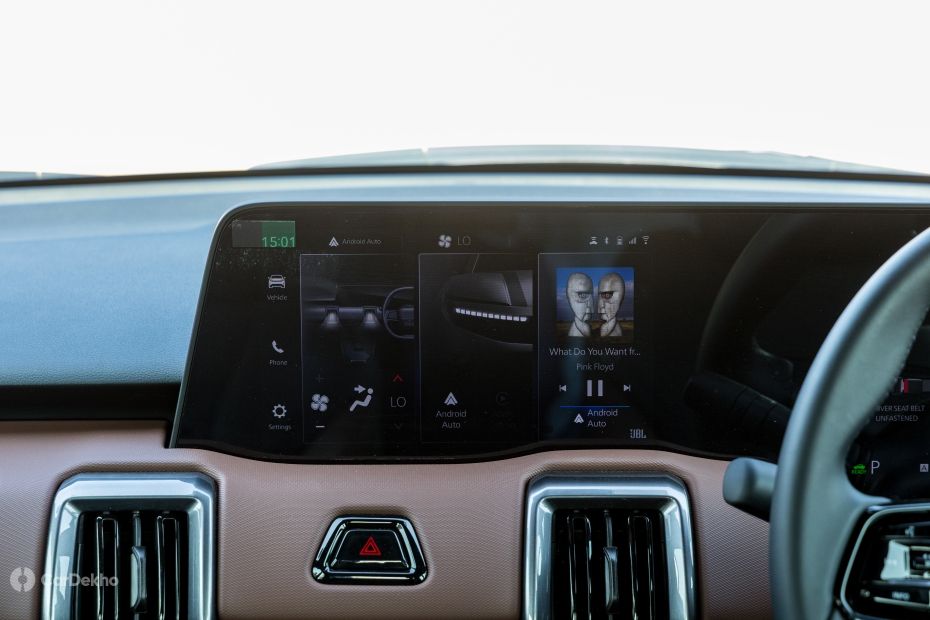
- 10.1-inch infotainment system: Simple user interface, good resolution and wireless Android Auto and Apple CarPlay. Acceptable response times but the theme looks a bit dull.
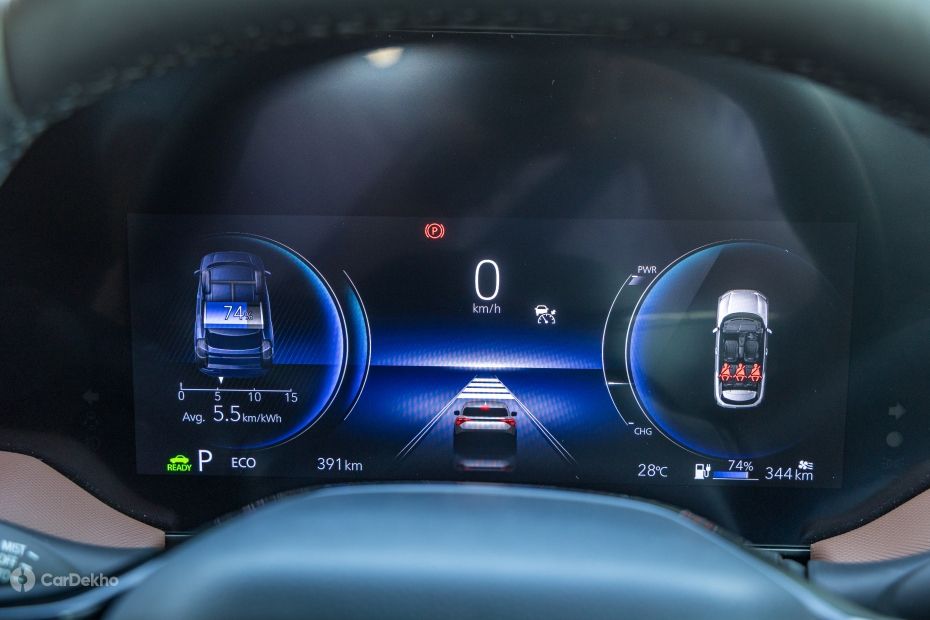
- 10.25-inch digital driver’s display: Easy to readout with multiple layouts on offer. Also shows you navigation through Android Auto and Apple CarPlay.
- JBL sound system: Good audio quality and punchy bass. Offers a better, more immersive experience for front passengers.
- 360-degree camera: Multiple viewing angles but camera quality is poor. It’s too grainy which hampers usability at night.
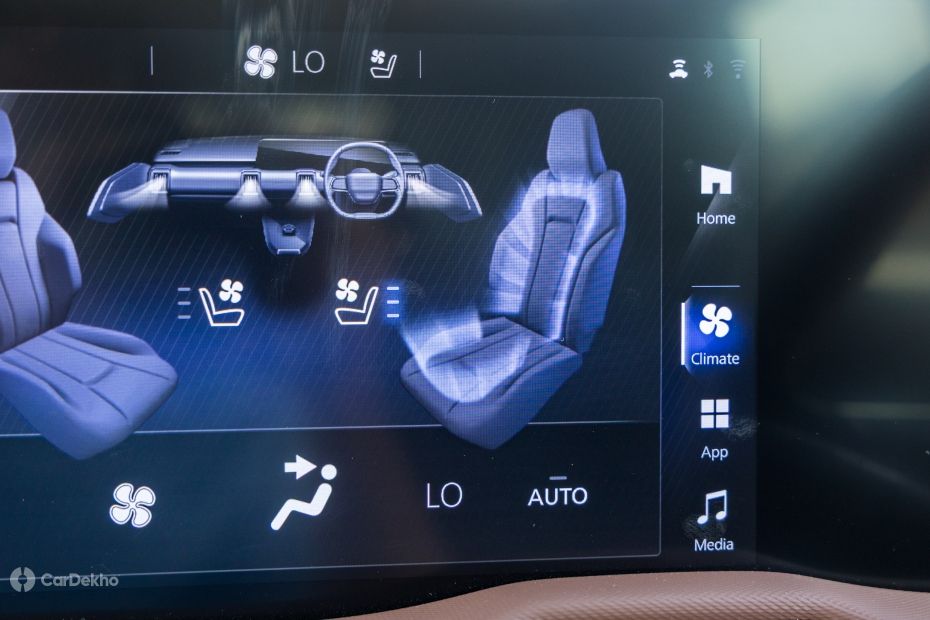
- Ventilated seats: Three cooling levels offer good comfort, but no physical buttons are a miss.
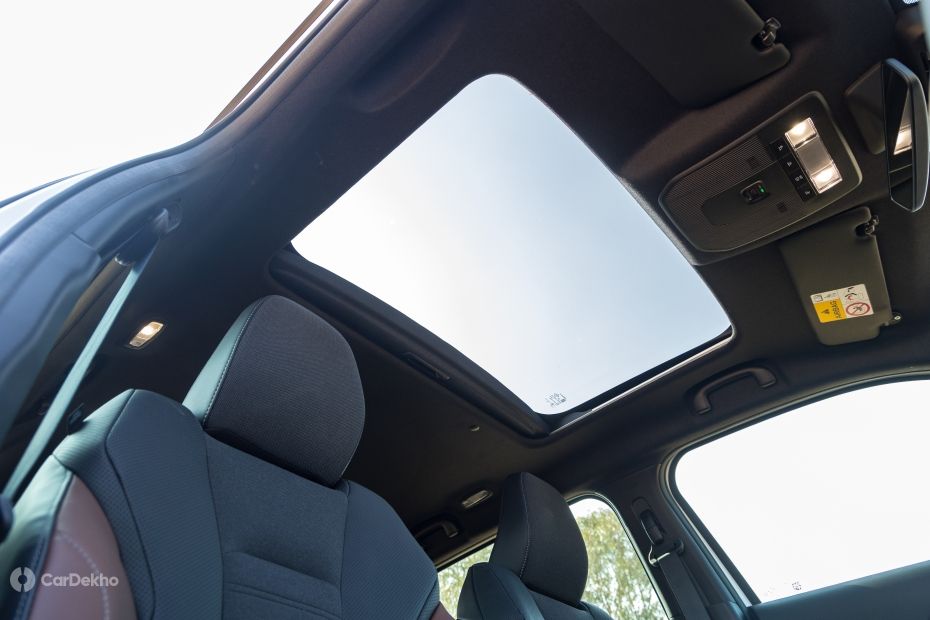
- Glass roof: Manual cover and the glass is fixed. It’s not a panoramic roof, but is bigger than regular single-pane sunroofs.
Safety
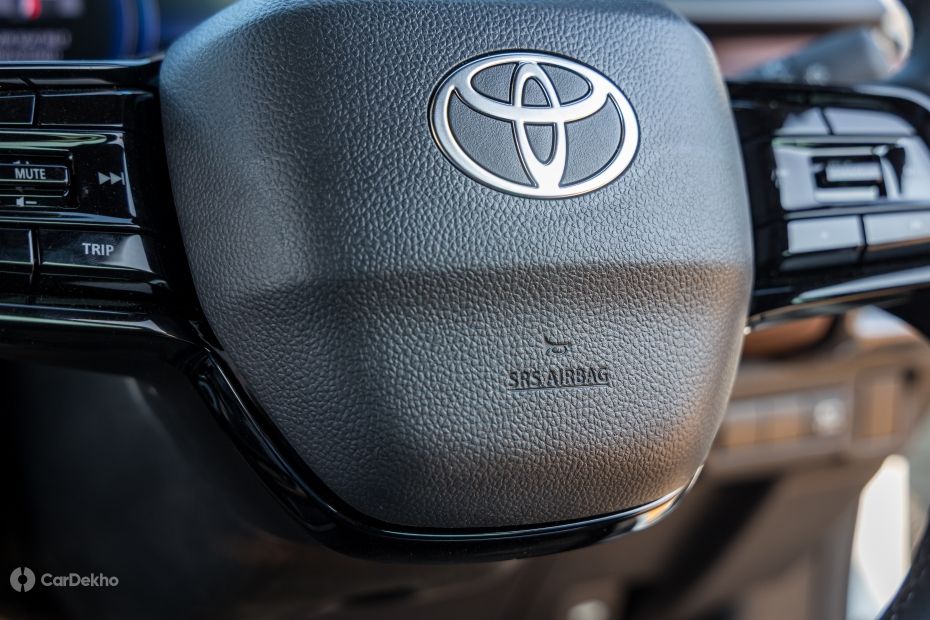
The standard safety features in the Ebella include 7 airbags, ABS with EBD, hill-hold control, ISOFIX mounts, rear defogger and electronic stability program. There’s no rear-view camera in the base variant and you get a 360-degree camera in the top variant only.
Another addition in the top variant includes Level-ADAS (autonomous driving assistance system) features like lane-keep assist, adaptive cruise control, blind-view monitor and rear-cross traffic. It does miss out on a few autonomous features like traffic sign recognition and vehicle departure warning offered in its rivals.
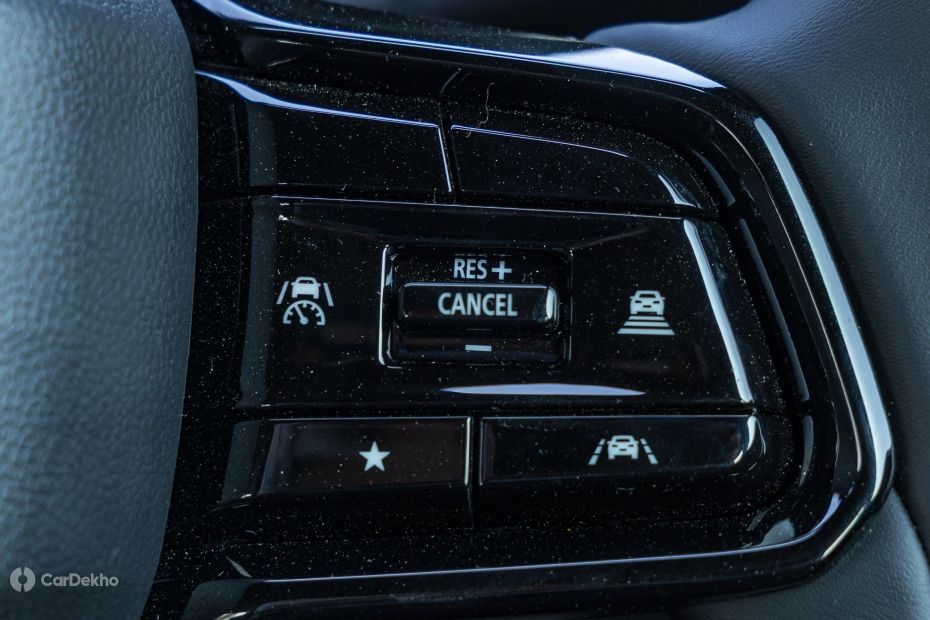
These features work best on well-marked expressways with free flowing traffic. The system reacts smoothly but is still cautious and maintains a big enough gap for you to get pushed into making space by another vehicle.
The Toyota Ebella hasn’t been crash tested by any independent crash test agency, but its rebadged Maruti counterpart has scored a 5-star Bharat NCAP rating.
Boot Space
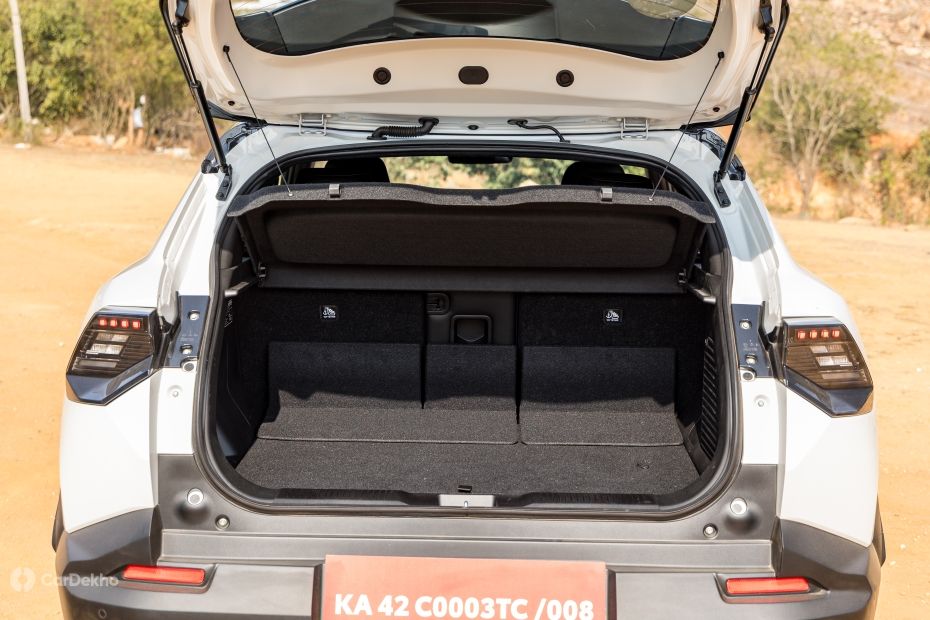
The boot space figure of the Urban Cruiser is also same as e Vitara, which is rated at 310 litres. This figure does not sound big enough considering the size and segment of the Urban Cruiser, and you’ll only be able to keep a couple of small and medium-sized trolley bags.
Performance
The Toyota Ebella is available with the option of two battery packs: 49kWh and 61kWh.
| Battery | 49 kWh | 61 kWh |
| Power | 144 PS | 174 PS |
| Torque | 193 Nm | 193 Nm |
| Claimed Range | 440 km | 543 km |
City Performance
Toyota has done a great job to make the Ebella electric drive experience feel as natural as possible. The throttle calibration is super smooth and even the regenerative braking feels very natural in its transition.
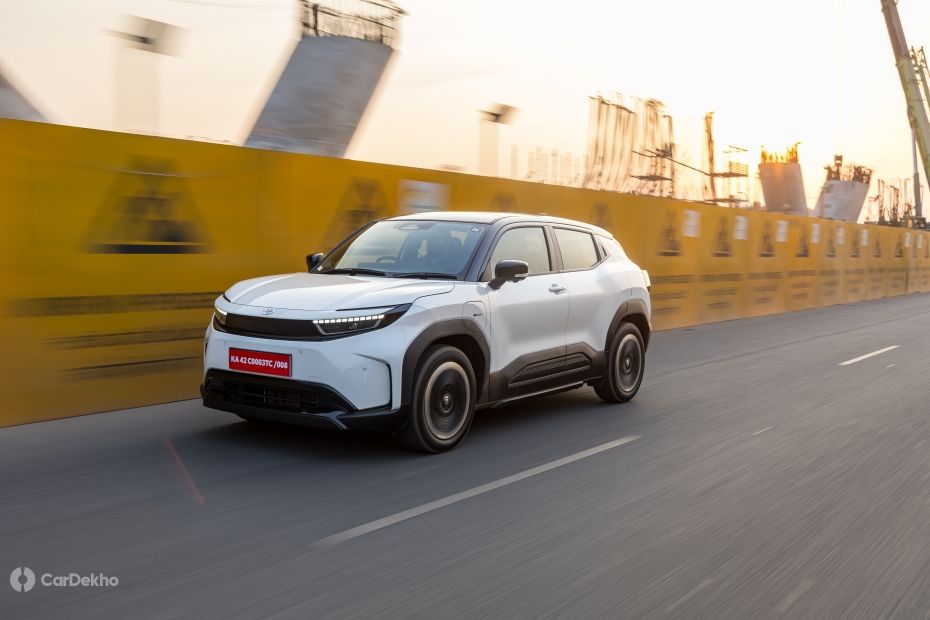
As is the case with EVs, performance is adequate for all intents and purposes of regular commuting. It’s not as quick as its immediate rivals, but all your city overtakes are super easy.
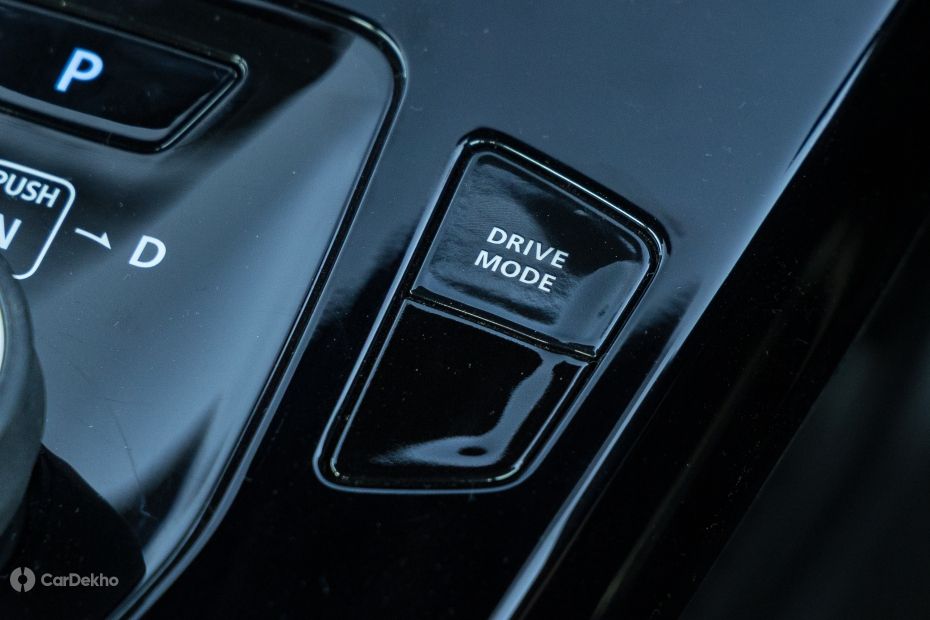
In fact, there are three drive modes (Eco, City, and Sport), and you can stick to Eco for all city commutes. City and Sports mode are better when you want to make that quick highway overtake.
Highway Performance
Ebella has no problem in reaching triple digit speeds whatsoever. You can cruise and make overtakes in regular driving mode without needing to plan them, but Sport mode makes those overtakes feel effortless.
But even on a full throttle, the acceleration feels instant but never sharp. This makes it a very drivable EV even for people who aren’t used to this level of performance.
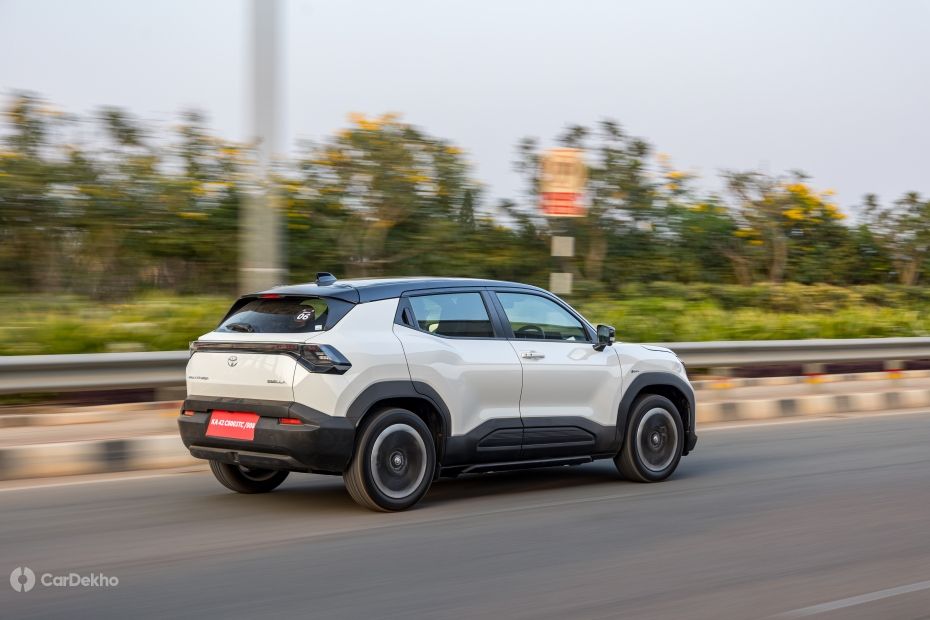
One complaint though is that there’s no physical button to change your level of regenerative braking. What’s even worse is that you have to stop every time you want to change it. This means you can’t adjust the braking levels actively based on real-time traffic and road situations. I don’t understand why Toyota made it this way when there’s a dedicated button for one-pedal mode.
Note: Toyota Ebella Real World Range
We averaged between 6-7km/kWh with moderate driving, and 5km/kWh with a heavy foot. Therefore, you can expect the Ebella to return around 440km of real-world range with the larger 61kWh battery pack. You can expect around 350km from the smaller 49kWh battery.
Ride and Handling
Ride Quality
The Toyota Ebella is a comfortable electric vehicle, but it’s far from being the most comfortable in the segment. It is a heavy car, weighing over 500kgs more than the Toyota Hyryder Hybrid and the suspension does struggle to keep all that weight in check.
At slow speeds, it is able to absorb the regular speedbreakers or potholes that you might come across, but as soon as the speed increases, things start to get uncomfortable.
Especially if you’re even slightly late to spot a speedbreaker and go over it at a relatively higher speed, it has a tendency to toss rear occupants around.
At higher speeds, it starts to pick the imperfections of the road more and takes time to settle over expansion joints or level changes. This is felt more at the rear and can cause fatigue over longer journeys if you’re driving on surfaces like concrete which aren’t smooth.
Handling
It does feel stable though, and will change lanes at high speeds with confidence. In the city, you’ll find it easy to maneuver, but the turning radius is on the higher side. Good thing then, that the steering isn’t heavy.
Variants
The Toyota Urban Cruiser Ebella is available in a sole E3 variant and gets all of the aforementioned features and specifications that were mentioned in the review.
Verdict
There are better options in the segment if you want a chauffeur driven EV, a sporty EV, or even a long-range one. What the Ebella is, is a simple, no-nonsense approach to electric vehicles, which feels approachable and easy to drive for all.
It’s easy to recommend for its looks, solid interior, a good feature and a solid safety package. But more importantly, it’s the Toyota badge with its reliability and stress-free ownership promises that will help convenience people who are skeptical about EV technology.
Other Cars To Consider
Hyundai Creta EV
Reasons to consider
-
More comfortable rear seat experience
-
Offers few more features like extra ADAS features, rear wireless phone charging and xx
-
More comfortable ride quality
Reasons to ignore
-
Smaller battery options means lesser range
MG Windsor EV
Reasons to consider
-
Far superior rear seat space and comfort
-
Better boot space
-
Great practicality with ample storage spaces
Reasons to ignore
-
Smaller battery options means lesser range
-
Basic day-to-day features are complicated to use
Tata Curvv EV
Reasons to consider
-
Much better ride comfort
-
Massive 500-litre boot is much bigger
Reasons to ignore
-
Not as practical
-
Smaller battery options means lesser range
Mahindra BE6
Reasons to consider
-
Looks like a sports car
-
Fun to drive with much better performance
-
More comfortable ride quality
-
More premium cabin and better features
-
Bigger battery offers a more usable real-world range of around 500km
Reasons to ignore
-
Design might not age well
-
Rear seats feel cramped
-
Ingress egress is difficult for elderly
Toyota Urban Cruiser EBELLA colours
Toyota Urban Cruiser EBELLA is available in the following colours in India. View all car images with different colour options on CarDekho.
- Enticing Silver
- Cafe-White-Dual-Tone
- Land-Breeze-Green-Dual-Tone
- Gaming Grey
- Enticing-Silver-Dual-Tone
- Sportin-Red-Dual-Tone
- Bluish Black
- Sportin Red
- Cafe White
Comparing Toyota Urban Cruiser EBELLA Rivals
Rs.23.60 Lakh* | Rs.14.85 - 19.15 Lakh* | Rs.18.03 - 25.22 Lakh* | Rs.16.19 - 20.21 Lakh* | Rs.19.50 - 23.50 Lakh* | Rs.20.65 - 30.15 Lakh* | Rs.19.45 - 26.95 Lakh* | Rs.13.50 - 20 Lakh* |
| RatingUser Review (1) | User Review (121) | User Review (30) | User Review (22) | User Review (4) | User Review (38) | User Review (531) | User Review (5) |
| Fuel TypeElectric | Electric | Electric | Electric | Electric | Electric | Electric | Electric |
| Battery Capacity61 kWh | 38 - 52.9 kWh | 42 - 51.4 kWh | 49 - 61 kWh | 69.2 kWh | 59 - 79 kWh | 59 - 79 kWh | 42 - 51.4 kWh |
| Range543 km | 332 - 449 km | 390 - 510 km | 440 - 543 km | 517 km | 521 - 679 km | 548 - 683 km | 443 - 526 km |
| Charging Time- | 55 Min-DC-50kW (0-80%) | 39Min-100kW(10-80%) | 45 Min (10-80%) | 12.5H-7.4 kW (10-100%) | 6 / 8.7 h (11 .2kW / 7.2 kW Charger) | 6 / 8.7 h (11.2 kW / 7.2 kW Charger) | 4H- 11kW (10-100%) |
| Power171.65 bhp | 134 bhp | 133 - 169 bhp | 142 - 172 bhp | 201 bhp | 228 - 282 bhp | 228 - 282 bhp | 133 - 169 bhp |
| Airbags7 | 6 | 6 | 7 | 6 | 6-7 | 6-7 | 6 |
| Currently Viewing | Urban Cruiser EBELLA vs MG Windsor EV | Urban Cruiser EBELLA vs Creta Electric | Urban Cruiser EBELLA vs e Vitara | Urban Cruiser EBELLA vs MG Hector Tomahawk EV | Urban Cruiser EBELLA vs XEV 9S | Urban Cruiser EBELLA vs BE 6 SPORTEQ | Urban Cruiser EBELLA vs Syros EV |
Toyota Urban Cruiser EBELLA videos
- Shorts
- Full Videos
Toyota Ebella 10-way powered driver seat ⚡️
India Mein Toyota ki Pehli EV 🇮🇳 🤩
Toyota Ebella Interior check ✅
Toyota Ebella 40:20:40 rear seat split Feature ⚡️
Gangadhar Hi Shaktimaan Hai!
Toyota Urban Cruiser Ebella space test!
Toyota goes electric!
Toyota Urban Cruiser EV Auto Expo 2025
- Toyota Ebella Review: A Simple, No-nonsense EV8 months ago23.7K Views
Toyota Urban Cruiser EBELLA 2026: Latest News Articles
Explore Toyota Urban Cruiser EBELLA Second Hand cars
Toyota Urban Cruiser EBELLA user reviews
- All (1)
- Latest
- Helpful
- Super FantasticVery good & excellent. No doubt, It is very unique, fabulous, extraordinary, fantastic, supreme personality and most importantly durable and economic. No words it's justified and describe not only good but also better than good and finally best.Read More6 3
- Load All Reviews
Toyota Urban Cruiser EBELLA Range
Toyota Urban Cruiser EBELLA range is 543 km, depending on the variant.
| Motor and Transmission | ARAI Range |
|---|---|
| Electric - Automatic | 543 km |
Are you confused?Ask anything & get answer in 48 hours
FAQs on Toyota Urban Cruiser EBELLA
Toyota Urban Cruiser EBELLA On-road price in popular cities
Trending Toyota cars
- Toyota Urban Cruiser HyryderRs.11.31 - 20.31 Lakh*
- Toyota Innova CrystaRs.19.95 - 27.10 Lakh*
- Toyota Innova HycrossRs.18.70 - 31.84 Lakh*
- Toyota FortunerRs.35.11 - 50.97 Lakh*
- Toyota GlanzaRs.6.99 - 10.98 Lakh*
Popular SUV cars
- Trending
- Latest
- Upcoming
- Tata SierraRs.11.49 - 21.59 Lakh*
- Mahindra Thar OGRs.10.32 - 18.99 Lakh*
- Mahindra Scorpio NRs.13.69 - 25.49 Lakh*
- Mahindra ScorpioRs.13.43 - 17.48 Lakh*
- Hyundai CretaRs.10.91 - 20.46 Lakh*
- New VariantRenault DusterRs.10.49 - 19.49 Lakh*
- New VariantMG HectorRs.12.14 - 20 Lakh*
- Honda ElevateRs.11.80 - 18.40 Lakh*
- New VariantTata HarrierRs.13 - 26.11 Lakh*
- New VariantHyundai AlcazarRs.14.51 - 21.96 Lakh*