

Tata Harrier EV Long Term Introduction: 1,500 km In, And Still Figuring It Out
Published On May 07, 2026 By Tirth for Tata Harrier EV
- 1.7K Views
- Write a comment
1,500 km yet, just about a run-in
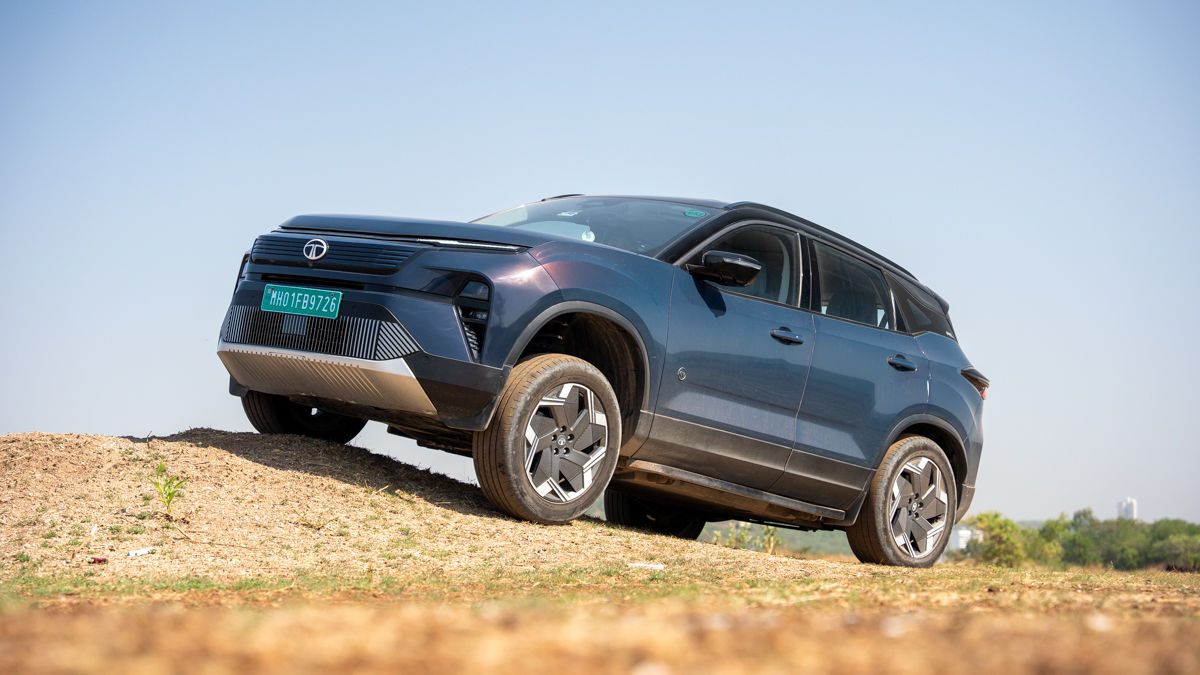
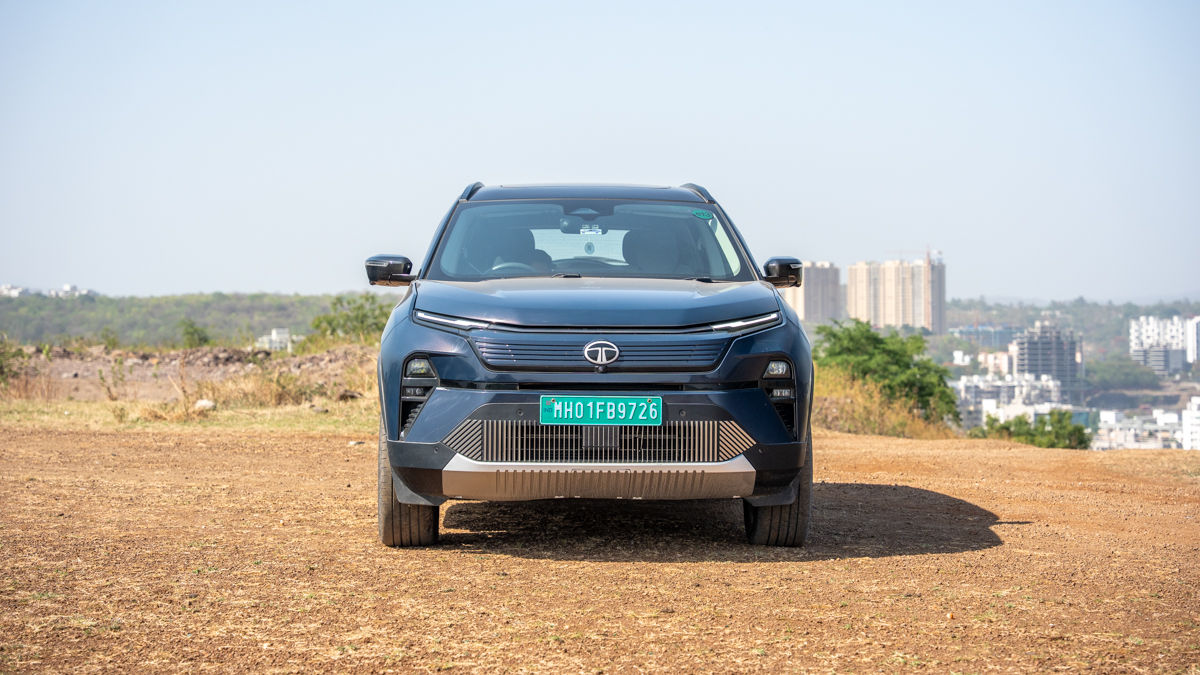
For the past month, my daily drive has been the Tata Harrier EV. And not just any variant, but the fully-loaded Empowered QWD 75 kWh trim, the range-topping one with dual motors, all-wheel drive, and everything Tata currently offers in an EV SUV. In a little over four weeks, it has already covered 1,500 km with me, doing office commutes, city errands, and becoming a regular part of everyday life.
First Impression: It Feels Every Bit A Big SUV
The very first thing the Harrier EV tells you is that it’s a heavy machine. It feels solid the moment you open the door, and once you get moving, there’s a clear sense of size and weight to it.
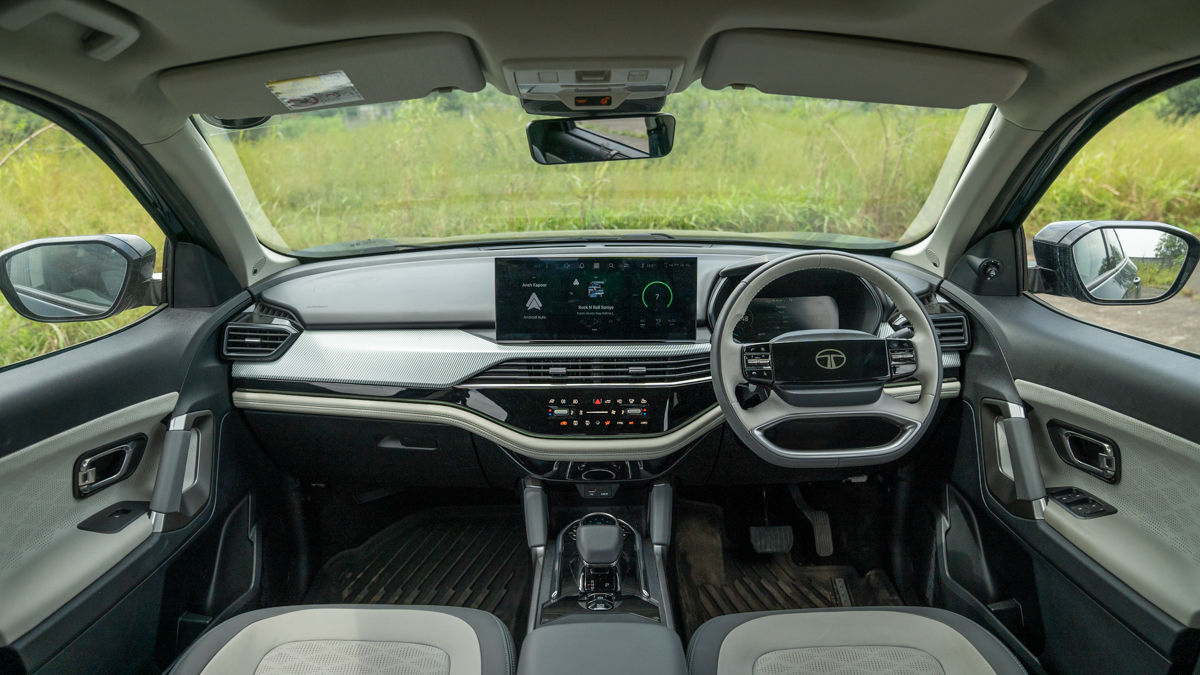
You sit high, visibility is commanding, and the road presence is undeniable. But unlike smaller EVs that try to feel light on their feet, the Harrier EV always reminds you that there’s a lot of metal and battery underneath. It never feels awkward, but it definitely feels heavy, because it is.
Charging Reality Hits Early
Owning an EV isn’t just about driving it; it’s also about charging it. And with a battery this size, you notice that quickly.
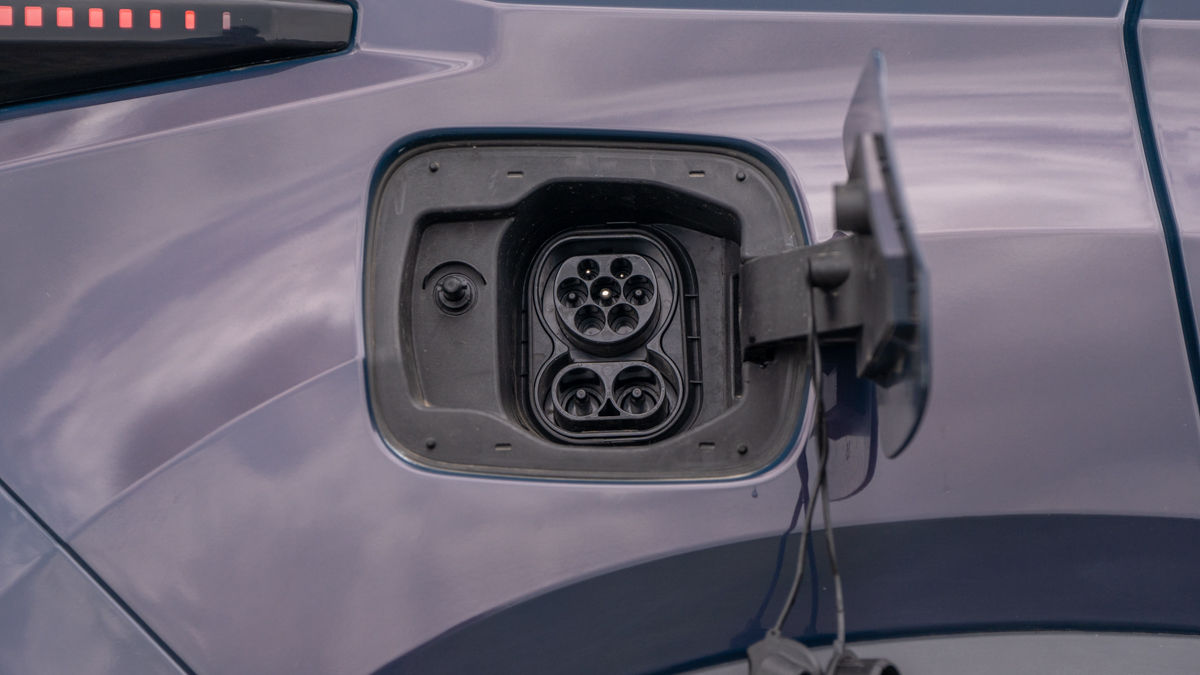
At our office basement, where I’ve been charging it through the 3.3 kW AC charger, going from around 20 percent to 100 percent usually takes about 24 hours. That’s not a fault of the car alone, but it is the reality of charging a large battery on slower setups. You learn very quickly to plug it in early and plan your trips. Especially, now that our long-term garage is just EVs, consisting of the Hyundai Creta Electric and the Kia Carens Clavis EV, are the fellow garage mates.
Easy To Drive, Easy To Live With
Once you’re out on the road, the Harrier EV settles into its role nicely. Like most EVs, it feels smooth, quiet, and effortless. Traffic becomes easier to deal with because the power delivery is instant and clean. Gaps are easy to take, overtakes need little planning, and the cabin remains calm even when the outside world isn’t. It’s the kind of car that reduces daily driving stress without trying too hard.
Suspension: Still Waiting To Be Impressed
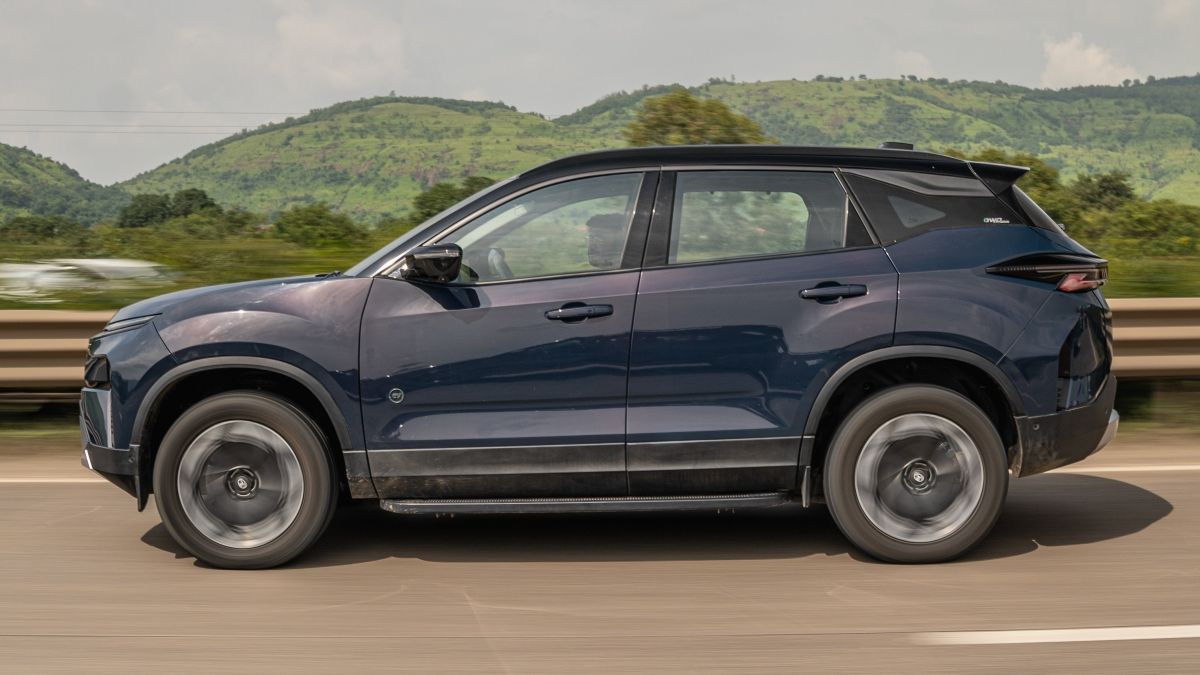
One area where I’m still forming an opinion is the suspension. There has been a lot said about how well sorted the Harrier EV feels, especially compared to many stiff-riding EVs, because of its multi-link suspension.
So far, on the roads I’ve driven it on regularly, it has felt competent rather than exceptional. It handles bad patches well enough, but I’m yet to have that moment where I think, yes, this is genuinely outstanding. It may need a proper highway trip or rougher roads to reveal its full character.
Bigger Drives Will Tell The Real Story
The city has only shown one side of the Harrier EV. Soon, it will be heading on longer journeys, including a drive home to Gujarat, which should reveal a lot more about range, comfort, and highway manners.
There’s also a Mumbai trip planned for the Tesla Model Y L launch event, so the Harrier EV is about to start doing what a large electric SUV should do best: covering distance.
One Month Later
Right now, the Harrier EV feels like a car I understand halfway. It has already shown its strengths, introduced a few EV ownership realities, and left some questions unanswered.
Which, honestly, is exactly what you want from a long-term car. There’s a lot more to learn, and I think the proper story starts now.
Date of arrival: 18th March 2026
Kilometres till date: 1,500 km
Positives: Strong road presence, effortless drive, refined cabin, loaded with features
Negatives: Slow AC charging, noticeable weight, suspension yet to fully impress
