
- English
- Login / Register


Discontinued on Apr, 2020
Audi Q3 2015-2020
Rs. 32.20 Lakh - 43.61 Lakh*
Last Recorded Price in 2020
Latest Generation Launched In December 2023
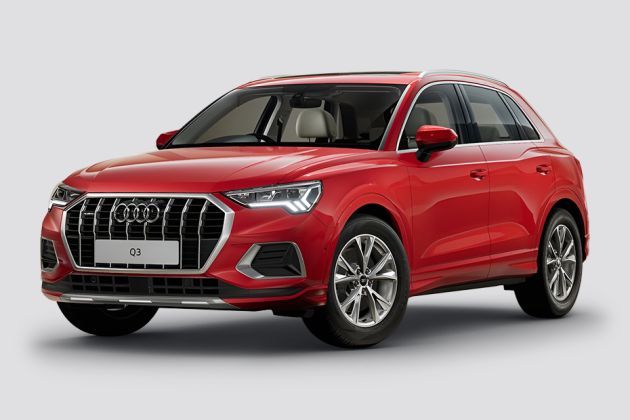
Audi Q3
43.67 - 52.31 Lakh*
Recommended used Audi Q3 2015-2020 cars in New Delhi
Audi Q3 2015-2020 Specifications and features
| Engine | 1395 cc - 1968 cc |
| Power | 147.51 - 184 bhp |
| Transmission | Automatic |
| Top Speed | 202 kmph |
| Drive Type | FWD / AWD |
| Fuel | Diesel / Petrol |
| Seating Capacity | 5 |

LED headlamps with dynamic turn indicators
Quattro all-wheel drive tech can help with mild off-roading.
- Key Specifications
- Highlights
Audi Q3 2015-2020 price list (Variants)
Following details are the last recorded, and the prices may vary depending on the car's condition.
| Q3 2015-2020 1.4 TFSI(Base Model)1395 cc, Automatic, Petrol, 17.32 kmpl | ₹32.20 Lakh* | |
| Q3 2015-2020 2.0 TDI(Base Model)1968 cc, Automatic, Diesel, 17.32 kmpl | ₹34.20 Lakh* | |
| Q3 2015-2020 30 TFSI Premium FWD(Top Model)1395 cc, Automatic, Petrol, 16.9 kmpl | ₹34.97 Lakh* | |
| Q3 2015-2020 30 TDI Premium FWD1968 cc, Automatic, Diesel, 18.51 kmpl | ₹36.77 Lakh* | |
| Q3 2015-2020 2.0 TDI Quattro1968 cc, Automatic, Diesel, 17.32 kmpl | ₹37.20 Lakh* | |
| Q3 2015-2020 35 TDI Dynamic Edition1968 cc, Automatic, Diesel, 15.73 kmpl | ₹39.78 Lakh* | |
| 35 TDI Quattro Premium Plus1968 cc, Automatic, Diesel, 15.17 kmpl | ₹39.92 Lakh* | |
| Design Edition 35 TDI quattro1968 cc, Automatic, Diesel, 15.17 kmpl | ₹40.76 Lakh* | |
| Q3 2015-2020 35 TDI Quattro Technology(Top Model)1968 cc, Automatic, Diesel, 15.17 kmpl | ₹43.61 Lakh* |
Audi Q3 2015-2020 expert review
CarDekho Experts
“The petrol Q3 serves as a nice stepping stone into the world of Audi, as it remains a sensible all-rounder that gives you a healthy blend of familiarity, good quality, space for four and some snob value.”
Overview
Exterior
Interior
Safety
Performance
Variants
Verdict
Pros & Cons of Audi Q3 2015-2020
Things We Like
- Loaded with features - panoramic sunroof, electric seats, LED headlamps. Feels well loaded for the price.
- Impressive build quality inside out. Feels built to last.
Things We Don't Like
- Interior design is beginning to show its age. Looks out of place on a Rs 40-lakh SUV.
- Forget Android Auto and Apple CarPlay, a simple USB port is missing.
- High transmission tunnel makes the Q3 a strict four-seater
View More
Audi Q3 2015-2020 2026: Latest News Articles
- Latest News
- Road Test
Audi Q3 2015-2020 user reviews
Based on29 User Reviews
Popular Mentions
- All (29)
- Looks (10)
- Comfort (13)
- Mileage (5)
- Engine (5)
- Interior (9)
- Space (3)
- Price (4)
- More...
- Latest
- Helpful
- Critical
- Superb CarSuperb car with great comfort and mileage.
- Nice CarThis is a nice car, very comfortable with a low price. This car looks wonderful.1 1
- Best Car In This Segment.Happy with experience and pleasure to drive in the city either highway, it has a maximum amount of leg space and very luxurious.Read More
- Best Car in its Segment.We have Q3 since 2014 and till now the car is in the best conditions, the front bumper is top-notch and the rear bumper is also very good ( can be better ) you can use it for off-roading and you can go for a trip, I think it is the best family car.Read More
- Fantastic car.This car is great in its segment. The interior and comfort and it offers are nice. The alloy wheels and headlamps are stunning.Read More
- View All Q3 2015-2020 Reviews
Questions & answers
- FAQs
- Latest Questions
Q ) Why was the Audi Q3 2015-2020 discontinued in India?
A ) Audi Q3 2015-2020 was discontinued due to its inability to meet the contemporary safety and crash norms imposed by the government.
Q ) Can I still buy a used Audi Q3 2015-2020 in India?
A ) Yes, you can still buy a used Audi Q3 2015-2020 in India on CarDekho, local dealerships, and second-hand car markets.
Q ) What are the key specifications and features of the Audi Q3 2015-2020?
A ) The Audi Q3 2015-2020 offered rugged design , seating for 5, powerful diesel engines (1395 - 1968 cc), high ground clearance, durable suspension, and basic features like power steering and AC.
Q ) What were the most popular variants of the Audi Q3 2015-2020, and what were their prices?
A ) The most popular Audi Q3 2015-2020 variants included the Q3 2015-2020 1.4 TFSI, Q3 2015-2020 2.0 TDI, Q3 2015-2020 30 TFSI Premium FWD, Q3 2015-2020 30 TDI Premium FWD, Q3 2015-2020 2.0 TDI Quattro. Prices when new ranged from ₹33 Lakh to ₹44 Lakh, depending on the variant and features.
FAQs
Q ) My tyres are are 255\/40 19” 2017 Q3 black edition what should the tyre pressure...
By CarDekho Experts on 15 Mar 2021
A ) The ideal tyre pressure for Audi Q3 is 32-33 psi in all four tyres.
Reply on this answerView all Answer
Q ) What is the service charge of Audi Q3?
By CarDekho Experts on 13 Oct 2020
A ) For this, we would suggest you walk into the nearest authorized service centre a...Read More
Reply on this answerView all Answer
Q ) BMW X3 vs Audi Q3?
By CarDekho Experts on 13 Mar 2020
A ) Both cars come in the different price range. With the introduction of the new pe...Read More
Reply on this answerView all Answer
Q ) What is the price of Audi Q3 diesel automatic?
By CarDekho Experts on 31 Jan 2020
A ) Audi Q3 is priced between Rs.34.96 - 43.61 Lakh (ex-showroom Delhi). In order to...Read More
Reply on this answerView all Answers (2)
Q ) What is the EMI on Audi Q3?
By CarDekho Experts on 18 Oct 2019
A ) In general, the down payment remains in between 20-30% of the on-road price of t...Read More
Reply on this answerView all Answer
Questions
Trending Audi cars
- Popular
- Upcoming
*Ex-showroom price in New Delhi
×
We need your city to customize your experience